Air Scrubbers: What They Are and When to Use Them
Breathing is automatic. But healthy air? That’s a choice—and sometimes, a challenge. Whether it’s pollen season, renovation dust, or just the mysteries lurking in ductwork, the air inside your home or office can turn from invisible friend to unseen foe.
At Right On AC, we tackle indoor air quality with science-backed solutions. If you’ve heard of air scrubbers but aren’t sure what they do or when you really need one, you’re in the right place.
What Are Air Scrubbers? 🛠️
Air scrubbers are like industrial-strength air purifiers, but with more muscle and brains. Imagine a bouncer at the door of your home or business, turning away unwanted guests—except these “guests” are germs, dust, VOCs, and odors.
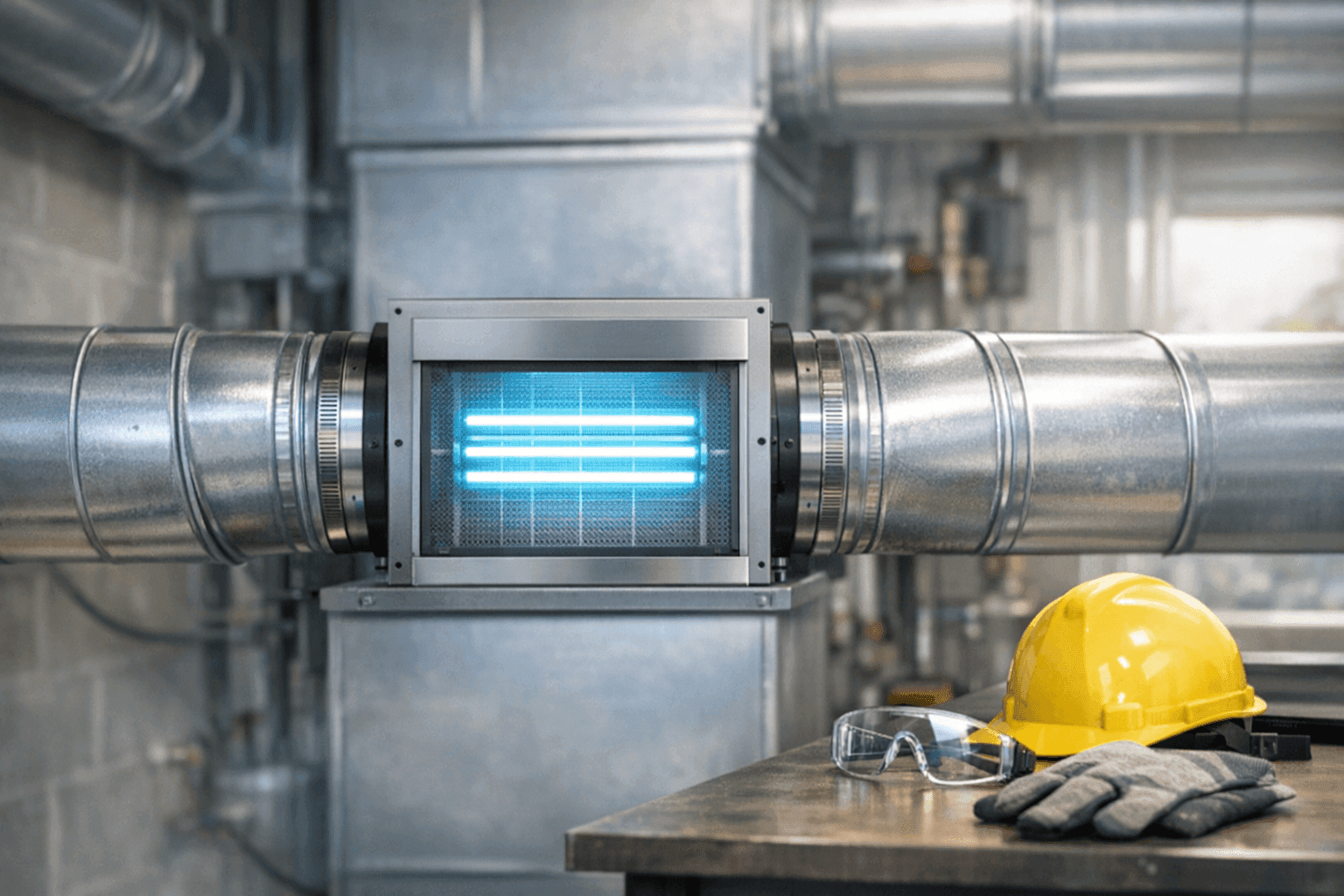
Installed directly into your HVAC system, air scrubbers continuously treat the air that circulates through your vents, not just in one room but across your entire building. This makes them a step above portable air purifiers that only handle a single space.
How Do Air Scrubbers Work?
Air scrubbers operate using a mix of filtration and advanced technology. Here’s how they tackle polluted air:
- Physical Filtration: Large particles—like dust and pollen—are trapped by high-efficiency filters.
- Active Air Cleaning: Some models use UV-C light, ionization, or photocatalytic oxidation. These processes break down smaller particles, bacteria, mold spores, and even some viruses by disrupting their molecular structure. The U.S. Environmental Protection Agency (EPA) recognizes these technologies as effective for reducing certain airborne contaminants.
- Odor and VOC Removal: Air scrubbers can neutralize smells and volatile organic compounds (VOCs) released during painting, cooking, or cleaning.
Think of it as a two-step dance: first, catch the big stuff; then, break apart and neutralize the microscopic troublemakers.
Top Applications for Air Scrubbers
Wondering if you need an air scrubber? Here are some common scenarios where installing one makes a real difference:
- Remodeling or Construction: Sawdust, paint fumes, and drywall particles can hang in the air for weeks. Air scrubbers remove these fast.
- Allergy or Asthma: Sensitive noses and lungs benefit from the deep-cleaning power—much more than a standard filter provides.
- Pet Owners: Pet dander and odors are stubborn, but air scrubbers help keep them at bay.
- Mold Concerns: After water damage or in humid climates, air scrubbers help reduce mold spores in the air.
- Workplaces: Offices, schools, and medical spaces use air scrubbers for occupant safety and comfort.
- Post-Illness Cleaning: After someone’s been sick, an air scrubber can help reduce lingering germs.
If you’ve recently had IAQ Testing—or suspect your air isn’t as clean as it should be—air scrubbers might be the next step.
Quick Safety Checklist
Before considering an air scrubber, review these points:
- Are there known allergies, asthma, or immune concerns in your household or business?
- Has there been recent construction, water damage, or visible mold?
- Are you noticing musty odors, headaches, or worsening respiratory symptoms?
- Has your HVAC system been professionally inspected in the last year?
If you answer “yes” to any of these, it’s wise to consult a cooling specialist.
The Science and Safety of Air Scrubbing
Air scrubbers use technologies grounded in science—UV-C and ionization are used in hospitals, labs, and even spacecraft. But not all air cleaners are created equal. The American Society of Heating, Refrigerating and Air-Conditioning Engineers (ASHRAE) and the EPA offer guidelines for safe installation and use:
- Choose models tested for ozone emission (avoid those that generate unsafe levels).
- Follow manufacturer recommendations for placement and filter replacement.
- Hire an HVAC professional for installation to prevent airflow problems or system damage.
Installation: DIY or Call in a Pro?
Air scrubbers aren’t plug-and-play devices. Most models are designed to fit directly into your existing ductwork. Installation involves:
- Cutting into the ductwork
- Wiring to your HVAC system
- Sealing and testing for leaks
Unless you’re comfortable with sheet metal, high-voltage wiring, and system calibration, this is a job for a certified technician. A poorly installed air scrubber can reduce HVAC efficiency or create leaks—costly mistakes in the long run.
What Happens When the Pros Arrive?
When Right On AC’s technicians show up, here’s what you can expect:
- Assessment: We check your HVAC system’s size, age, and ductwork layout.
- Recommendations: We match air scrubber models to your needs and budget.
- Installation: We handle all electrical, ductwork, and safety steps.
- Testing: We verify airflow, check for leaks, and ensure everything runs smoothly.
- Review: We walk you through operation, maintenance, and what to expect.
Preventive Maintenance: Keeping Your Air Scrubber in Top Shape 🧰
Air scrubbers are low-maintenance, but not no-maintenance. Follow these tips:
- Change Filters: Every 3–6 months, or as recommended by the manufacturer.
- Inspect Components: UV lamps and ionization cells may need annual replacement.
- Professional Tune-Up: Have your air scrubber checked during regular HVAC Maintenance visits.
- Monitor Air Quality: Notice more dust, odors, or allergy symptoms? It might be time for service.
Regular maintenance keeps your system running efficiently and ensures the best protection for your indoor air.
Common Mistakes to Avoid
- Choosing the Wrong Size: An underpowered unit won’t clean the air effectively.
- Ignoring Filter Changes: Dirty filters slow airflow and reduce cleaning power.
- DIY Installation: Improper setup can damage your HVAC system or void warranties.
- Skipping Annual Inspections: Hidden problems can lead to bigger issues down the road.
Cost and Time Factors
The price of an air scrubber varies based on model, size, and features. Installation usually takes a few hours. Factor in periodic filter and part replacements for long-term costs. In most cases, the investment pays off in cleaner air, longer HVAC life, and better health.
When Is It an Emergency?
Some situations call for immediate action:
- After a flood or water leak: Mold spores can multiply fast.
- Major construction indoors: Air can become thick with particles.
- Sickness spreading: Post-illness, air scrubbers help reduce lingering germs.
- Severe allergy or asthma flare-ups: Fast action can provide relief.
In emergencies, Right On AC offers 24-hour service. We’re ready when you need us most.
Seasonal Considerations
Air scrubber benefits aren’t just for springtime pollen. In winter, closed windows trap contaminants inside. In summer, humidity can fuel mold growth. Year-round operation keeps your air healthier, no matter the season.
Timeline & Disruption
Most air scrubber installations can be completed in a single visit. You might hear some tools or see us working in your utility room, but disruption is minimal. Afterwards, you’ll notice fresher-smelling air and less dust—not a mess.
Signs of Trouble: When to Call for Service
- New or worsening odors
- Unusual sounds from your HVAC system
- Dust buildup around vents
- Allergy symptoms returning
If you notice these problems, schedule a checkup. Early attention can prevent bigger issues.
Frequently Asked Questions
Will an air scrubber eliminate all germs? No system can remove 100% of germs, but air scrubbers dramatically reduce many airborne bacteria, viruses, and allergens.
Will I notice a difference right away? Many people report fresher-smelling air and less dust within days. Sensitive individuals may notice fewer symptoms soon after installation.
Are air scrubbers safe? When installed by a licensed professional and maintained properly, yes. Always ask for units that meet EPA and ASHRAE standards.
Real-World Examples
- After a renovation, a homeowner inquired about lingering paint smells. An air scrubber eliminated fumes within hours, making the space livable again.
- A local daycare noticed fewer runny noses and less coughing after installing an air scrubber in their HVAC system.
- Businesses looking for “Generator Installation near you” often combine it with air scrubber upgrades for total comfort and safety.
Next Steps: Should You Invest in an Air Scrubber?
If you’re concerned about air quality, have family or employees with respiratory issues, or just want peace of mind, an air scrubber is a smart investment. Consider scheduling IAQ Testing to pinpoint exactly what’s in your air.
Whether you’re managing a home or a business, Right On AC is here to help. We proudly serve the cooling company needs of our community.
Call Right On AC now — or reach us anytime at 888-836-1269 .