Do You Need a Home Energy Audit Before Upgrading HVAC?
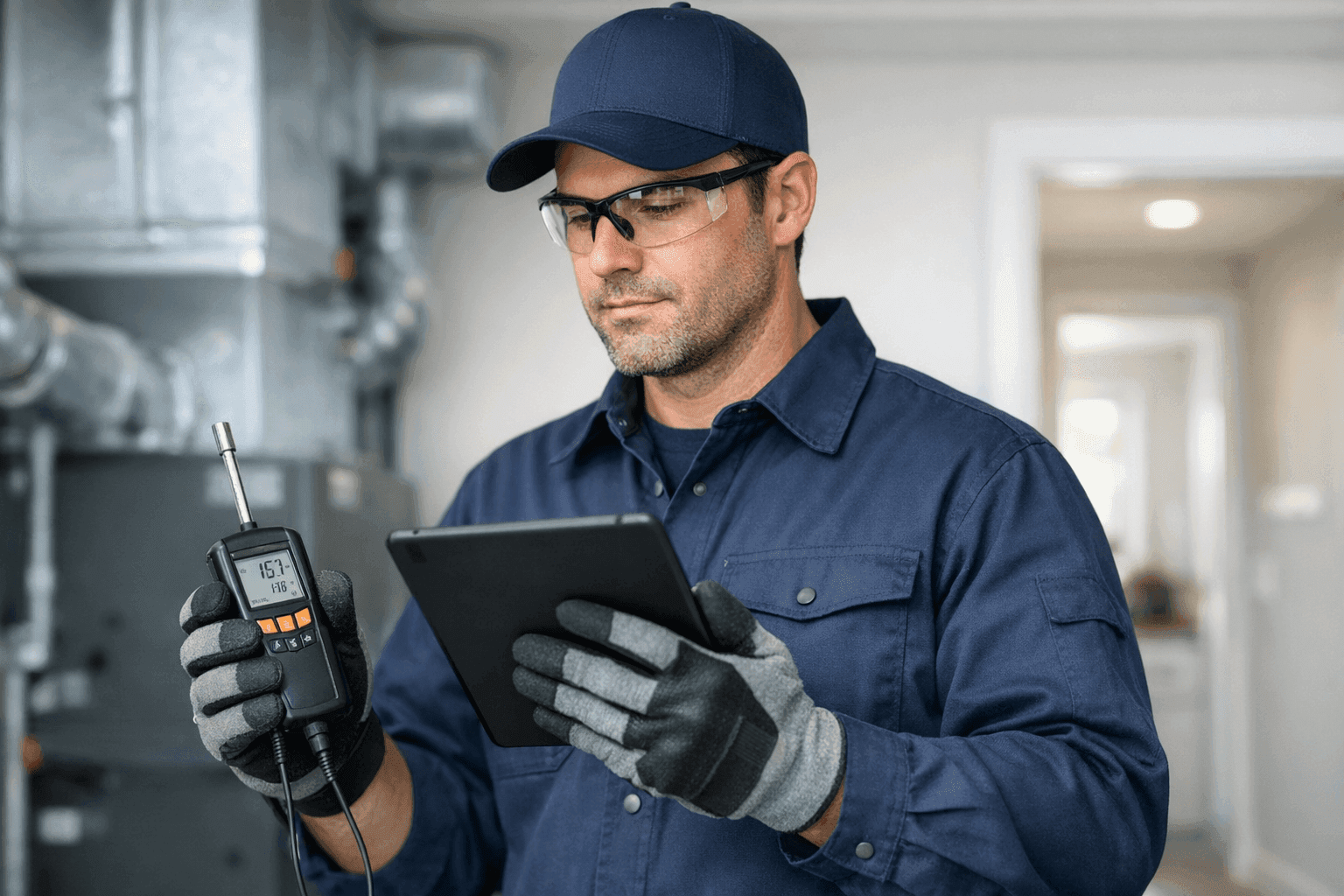
Is your energy bill climbing while your home barely stays cool? Maybe your commercial space feels drafty even with the AC running full blast. Upgrading HVAC might seem like the golden ticket—but hold on. Skipping a home energy audit is like buying shoes in the dark: you might get lucky, or you might trip over hidden problems.
At Right On AC, we’ve seen it all. Before you dive into a new cooling system or consider major upgrades, let’s talk about why an energy audit is the first step for smart, lasting comfort.
Why Get an Audit Before Upgrading? 🧐
Upgrading HVAC is an investment—one you want to get right the first time. A home energy audit shines a flashlight into the corners of your building, revealing leaks, inefficiencies, and unseen trouble spots. Upgrading without this step? That’s like patching a tire without checking for nails.
Uncover Hidden Issues, Right-Size Systems
Many homes and offices have insulation gaps, leaky ducts, or old thermostats that quietly drain dollars. A new cooling system can’t fix these by itself. An audit pinpoints:
- Air leaks around windows, doors, and vents
- Poor insulation in attics, walls, and crawl spaces
- Ductwork problems—like leaks or blockages
- Outdated or broken thermostats
- Overworked dehumidifiers or underperforming air scrubbers
Sizing matters, too. Think of your HVAC like a tailored suit. Too big, and it cycles on and off, wearing out early. Too small, and you’re left sweating. An audit helps us recommend the system that fits just right.
What the Audit Covers
A professional energy audit is thorough but straightforward. Here’s what you can expect when you schedule one with Right On AC:
- Blower Door Testing: We depressurize your space to spot leaks and drafts.
- Thermal Imaging: Special cameras highlight hot and cold spots, revealing insulation gaps.
- Duct Inspection: We check for leaks, blockages, and dirty buildup that can choke airflow.
- Combustion Safety: For properties with generators or gas appliances, we follow guidelines from the U.S. Department of Energy to ensure safe operation.
- Thermostat & Controls Review: Old controls? We’ll flag them for potential upgrade.
- Ventilation Assessment: Are your fans and vents moving air as they should? We find out.
- IAQ Testing: Indoor Air Quality is tested for dust, pollen, and contaminants.
The process is non-invasive. We’re in and out in a few hours, and you get a detailed report—plain-English, no jargon.
Benefits for Homeowners and Businesses 🏠🏢
A home energy audit isn’t just a box to check. It’s a roadmap. Here’s what it unlocks:
- Lower Bills: Plug leaks, improve insulation, and your system doesn’t have to work as hard.
- Better Air Quality: Find and fix sources of dust, allergens, or mold.
- Peace of Mind: Know your system is safe, efficient, and built to last.
- Informed Decisions: Choose the right HVAC Installation based on facts, not guesswork.
- Long-Term Comfort: Right-sizing means steady temperatures and fewer breakdowns.
The Real-World Scenario: Avoiding Common Mistakes
We often see folks jump straight to a shiny new AC—or even a whole-house fan—without checking if their home is actually the problem. That’s like putting a bandage on a leaky roof. You might feel better for a week, but the real issue keeps dripping down.
A home energy audit helps you avoid:
- Overspending on oversized systems
- Missing out on rebates or incentives tied to energy efficiency
- Paying for repairs that don’t address the root cause
Quick Safety Checklist
Before any work begins, make safety your first step. Here’s what to keep in mind:
- Only certified professionals should handle blower door tests and electrical checks.
- Follow local building codes and manufacturer instructions for upgrades.
- Ask for documentation—your audit report should spell out every finding.
DIY vs. Call a Pro
Some things you can spot on your own: drafty windows, hot attics, or dust around vents. But a professional audit uses calibrated gear and a trained eye. It’s the difference between noticing your shoes squeak and having a cobbler fix the sole.
If you want to truly understand your building’s cooling needs, a pro is worth it.
What Pros Do On Arrival
Expect a friendly technician—gear in hand, ready to listen. We ask about your comfort issues and recent bills, then get to work. We’ll move room to room, using tools like thermal cameras, airflow meters, and moisture sensors.
You’ll get a summary as we go, then a clear, actionable report when we’re done. No mystery, just answers.
Prevention & Maintenance: The Next Steps
An energy audit isn’t just about today. It’s your guide for ongoing comfort and savings:
- Schedule regular Home Energy Audits to keep systems tuned up.
- Replace filters often; clogged ones choke your airflow.
- Consider new thermostats or smart controls to fine-tune comfort.
Costs & Time Factors
The cost of an energy audit is usually far less than a single cooling repair. Time-wise, most audits take a half day. Compare that to the weeks of regret from an ill-fitting HVAC—and the math is easy.
When It’s an Emergency
Is your AC blowing hot air in July? Or your generator won’t start during a storm? That’s when you call us for 24 Hour Emergency Service. But for upgrades, step back and audit first. It’s the surest way to avoid emergencies in the future.
Seasonal Considerations
Spring and fall are prime times for energy audits. The weather’s mild, and you can spot problems before summer heat or winter chills arrive. Think of it like a dental checkup before the holidays—prevention beats last-minute fixes.
Common Mistakes
Don’t fall for these traps:
- Upgrading HVAC without fixing insulation or duct leaks
- Ignoring thermostat placement or programming
- Forgetting about humidity or indoor air quality
- Missing out on rebates by skipping the audit
Signs of Trouble
- Uneven cooling or hot/cold spots
- High utility bills with no clear reason
- Musty smells or visible mold
- Dust buildup around vents
If you spot any of these, an energy audit should be your next call.
Timeline & Disruption
Worried about disruption? Most audits are completed in one visit, with minimal mess. We work around your schedule—whether you’re at home or running a busy office.
Materials & Equipment Used
Our toolkit includes:
- Blower doors and pressure gauges
- Thermal imaging cameras
- Moisture meters
- Duct leakage testers
- Airflow meters
All equipment is calibrated and used according to EPA and Department of Energy guidelines.
FAQ: Your Top Questions Answered
Do I need an audit if my home is new?
Yes. Even new builds can have hidden leaks or poor airflow.
Will the audit save me money?
Most audits pay for themselves in lower bills and smarter upgrades.
How often should I repeat the process?
Every few years—or before any major HVAC upgrade.
Where to Go From Here
A home energy audit is your first, smartest move. Don’t let hidden problems drain your wallet or comfort. If you’re ready for lasting cooling and efficiency, Right On AC is here to help.
If you’re in Charleston and need cooling services, our team delivers reliable Home Energy Audits for both homes and businesses.
Call Right On AC now — or reach us anytime at 888-836-1269 .