Do You Need Air Scrubbers in a Commercial Setting?
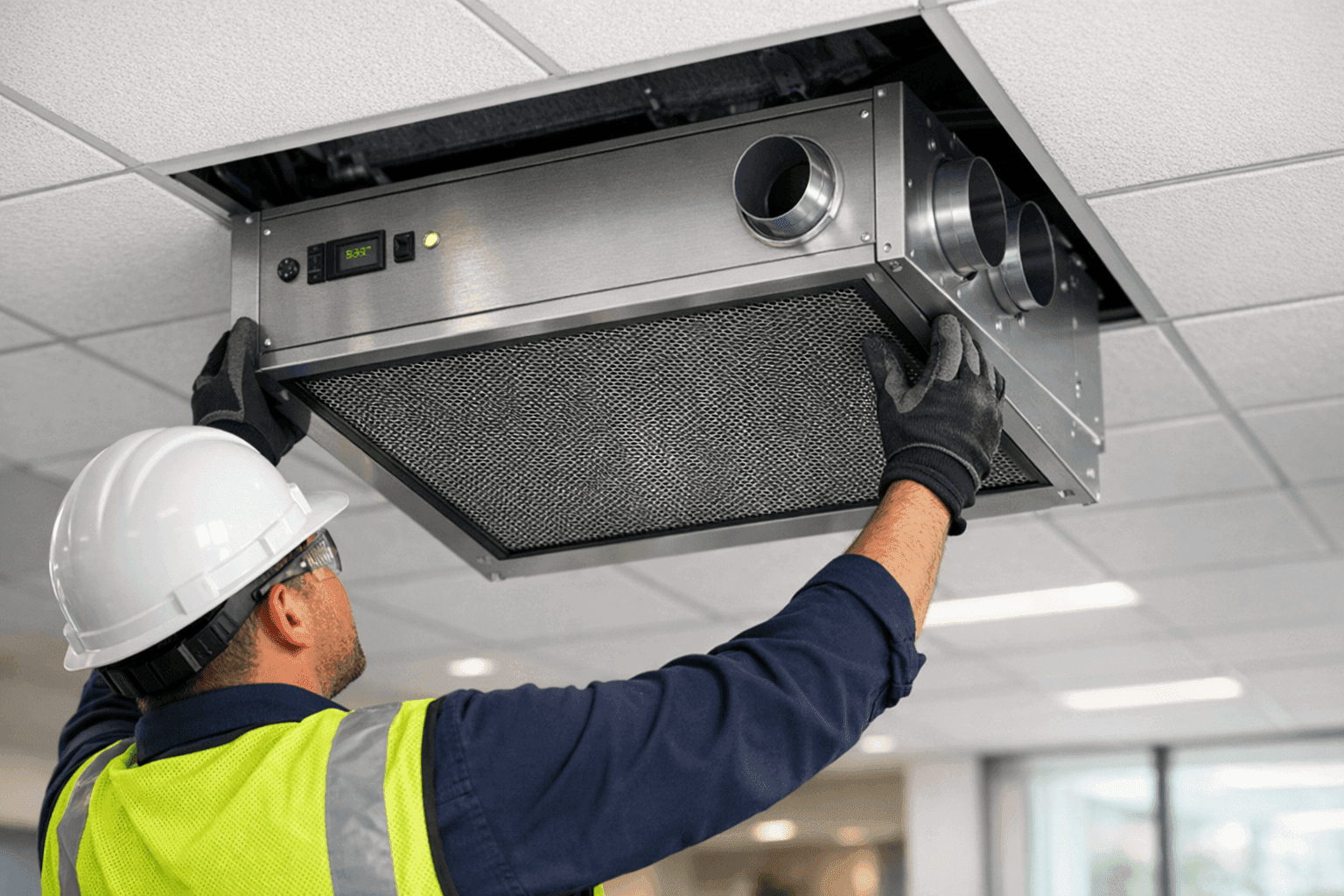
Is the air inside your business really as clean as you think? For many property managers and business owners, indoor air quality can feel invisible—until it isn’t. Staff calling out sick, customers sneezing, or persistent odors can start to chip away at productivity and reputation.
Right On AC knows commercial cooling isn’t just about temperature. It’s about creating spaces where people feel comfortable and safe. Today, let’s break down when air scrubbers make sense and how they fit into the bigger picture of a healthy workplace.
Risks in Commercial Buildings
Every building has its secrets. In commercial spaces, these often lurk in the air. Think of your HVAC system as the lungs of your operation. When those lungs are clogged or contaminated, everyone feels it.
- Hidden Pollutants: Dust, pollen, mold spores, volatile organic compounds (VOCs), and even bacteria can circulate through shared air.
- Special Risks: If your business handles chemicals, food, or high volumes of people, risks multiply.
- Health Impact: The CDC reports that poor indoor air quality can trigger headaches, asthma, and fatigue. It’s not just comfort—it's liability.
Ignoring these risks is like letting a leaky faucet drip. Over time, the damage adds up—sometimes in ways you can’t see until it’s too late.
Air Scrubber Technology Explained 🌬️
What exactly is an air scrubber? Picture a high-powered filter with a superpower: it doesn’t just trap dust; it neutralizes pollutants at a molecular level.
- Active Purification: Many air scrubbers use UV-C light, ionization, or catalytic oxidation. These processes break down contaminants.
- Beyond Basic Filtration: Standard HVAC filters catch dust. Air scrubbers tackle bacteria, viruses, odors, and gases.
- Continuous Cleaning: Installed in your ductwork, air scrubbers work around the clock—like an invisible cleaning crew for your air.
For those who want the technical details, the EPA and ASHRAE have published guidelines on air cleaning devices in commercial settings. These organizations set the bar for safety and performance.
Benefits for Staff and Customers
Cleaner air isn’t just a “nice to have.” In a commercial setting, it’s a competitive advantage.
- Fewer Sick Days: Studies show improved IAQ can reduce absenteeism.
- Customer Confidence: Fresh air makes a strong first impression. It reassures visitors in medical offices, gyms, restaurants, and offices alike.
- Odor Control: No more “mystery smells” from the breakroom or bathrooms.
- Allergy Relief: Sensitive customers and staff appreciate the difference.
- Protects Your Investment: Air scrubbers can extend the life of HVAC systems by reducing buildup.
Think of it as insurance for your reputation and your bottom line.
Installation Considerations
Thinking about adding air scrubbers to your building? Here’s what you need to know before making the leap.
- System Compatibility: Not all scrubbers fit every HVAC system. Professional assessment is essential.
- Sizing: Units must be matched to your building’s square footage and airflow rates.
- Location: Placement inside your ductwork matters for maximum effectiveness.
- Maintenance: Like any part of your cooling system, air scrubbers need regular checks and occasional part replacements.
Pro tip: Schedule installation during off-hours to minimize disruption. Our air-scrubbers page has more details.
Common Scenarios: Who Needs Air Scrubbers Most?
Not every business needs the same level of air purification. Here’s where air scrubbers shine:
- Medical Clinics & Dental Offices: Infection control is critical.
- Gyms & Fitness Studios: High humidity and sweat can fuel bacteria.
- Restaurants: Cooking odors and airborne grease are tough to control.
- Schools & Daycares: Young lungs are sensitive to pollutants.
- Office Buildings: Shared spaces with lots of foot traffic.
If your business falls into one of these categories, air scrubbers might be more than just a luxury—they’re a smart investment.
Quick Safety Checklist Before Installation
Safety first. Before installing an air scrubber, make sure:
- Your HVAC system is up to code and regularly serviced.
- Electrical supply meets the scrubber’s requirements (especially if combining with Generator Installation near you).
- You’re following OSHA and local building guidelines for IAQ improvements.
Always consult a licensed cooling contractor for any modifications.
DIY vs. Professional Installation
Air scrubber installation isn’t like changing a filter. It’s more like rewiring part of your home. DIY may be tempting, but:
- Special Tools Required: Installation involves dealing with electrical connections and ductwork.
- Warranty Concerns: Many manufacturers require professional installation for the warranty to remain valid.
- Compliance: Local codes can be strict, especially in commercial settings.
Calling a professional ensures your investment pays off—and keeps your building safe.
What to Expect from the Pros
When you call in a pro, here’s what usually happens:
- Initial Assessment: A site visit to evaluate your existing system and air quality needs.
- IAQ Testing: Measurement of baseline air quality (Right On AC offers IAQ Testing for this step).
- Sizing & Selection: Recommendation of the right air scrubber model and size.
- Installation: Placement inside ductwork, connection to power, and system integration.
- Commissioning: Testing to confirm performance and safety.
Expect some minor disruptions, but most jobs are completed within a day.
Prevention & Maintenance Tips
Air scrubbers, like all cooling equipment, benefit from regular care:
- Replace UV bulbs or filters as specified by the manufacturer.
- Schedule annual check-ups—ideally alongside HVAC Maintenance.
- Keep ducts clean to avoid reducing the scrubber’s effectiveness.
Simple routines can extend your air scrubber’s lifespan and optimize performance.
Costs & Time Factors
Budgeting for air scrubbers involves several factors:
- Unit Cost: Varies by brand, technology (UV, ionization), and capacity.
- Labor: Professional installation usually takes a few hours for most systems.
- Maintenance: Ongoing costs are modest—typically just replacement bulbs or filters.
Remember, improved air quality may reduce cleaning costs and HVAC repairs over time.
Emergency Scenarios: When Air Scrubbers Are Critical
There are moments when cleaner air goes from “nice” to “necessary.” Examples include:
- Mold or chemical spill incidents
- Outbreaks of flu or other airborne illnesses
- Renovation or construction projects stirring up dust
In emergencies, rapid installation can help restore safe working conditions.
Seasonal Considerations
Different seasons bring different air quality challenges:
- Spring: Pollen and allergens peak.
- Summer: Humidity fuels mold and bacteria.
- Fall/Winter: Closed windows trap indoor pollutants.
Consider reviewing your IAQ strategy each season, just as you do with cooling or heating schedules.
Common Mistakes to Avoid
- Ignoring Sizing: Too small, and your scrubber won’t keep up. Too large, and you waste energy.
- Skipping Maintenance: A neglected scrubber can become ineffective.
- Improper Placement: Installation in the wrong part of your ductwork limits results.
Partner with experienced professionals to avoid these pitfalls.
Signs Your Commercial Space Needs an Air Scrubber
Not sure if it’s time to act? Watch for:
- Frequent complaints about odors or stuffy air
- Visible mold or dust buildup
- Increase in sick days among staff
- Allergy symptoms that persist indoors
If you’re seeing these signs, a professional evaluation is your next step.
Timeline & Business Disruption
Worried about downtime? Most air scrubber installations for commercial cooling systems are completed the same day. Planning ahead and scheduling during off-hours can further reduce disruptions.
Materials and Equipment Used
A typical air scrubber installation includes:
- The air scrubber device (UV, ionization, or hybrid)
- Power supply wiring
- Mounting hardware
- Seals and gaskets for ductwork
All equipment should meet UL safety standards and comply with local building codes.
Building a Healthier Business with Right On AC
Clean air is more than a comfort—it’s a cornerstone of a healthy, productive workplace. Air scrubbers offer a practical, science-backed solution for businesses looking to step up their game. Whether you manage a restaurant, office, clinic, or school, improved air quality can set you apart.
If you’re in the area and want to learn more about Air Scrubbers or IAQ Testing, our team is here to help with answers and practical next steps.
Call Right On AC now — or reach us anytime at 888-836-1269 .