Do You Need Emergency HVAC Service? How to Decide
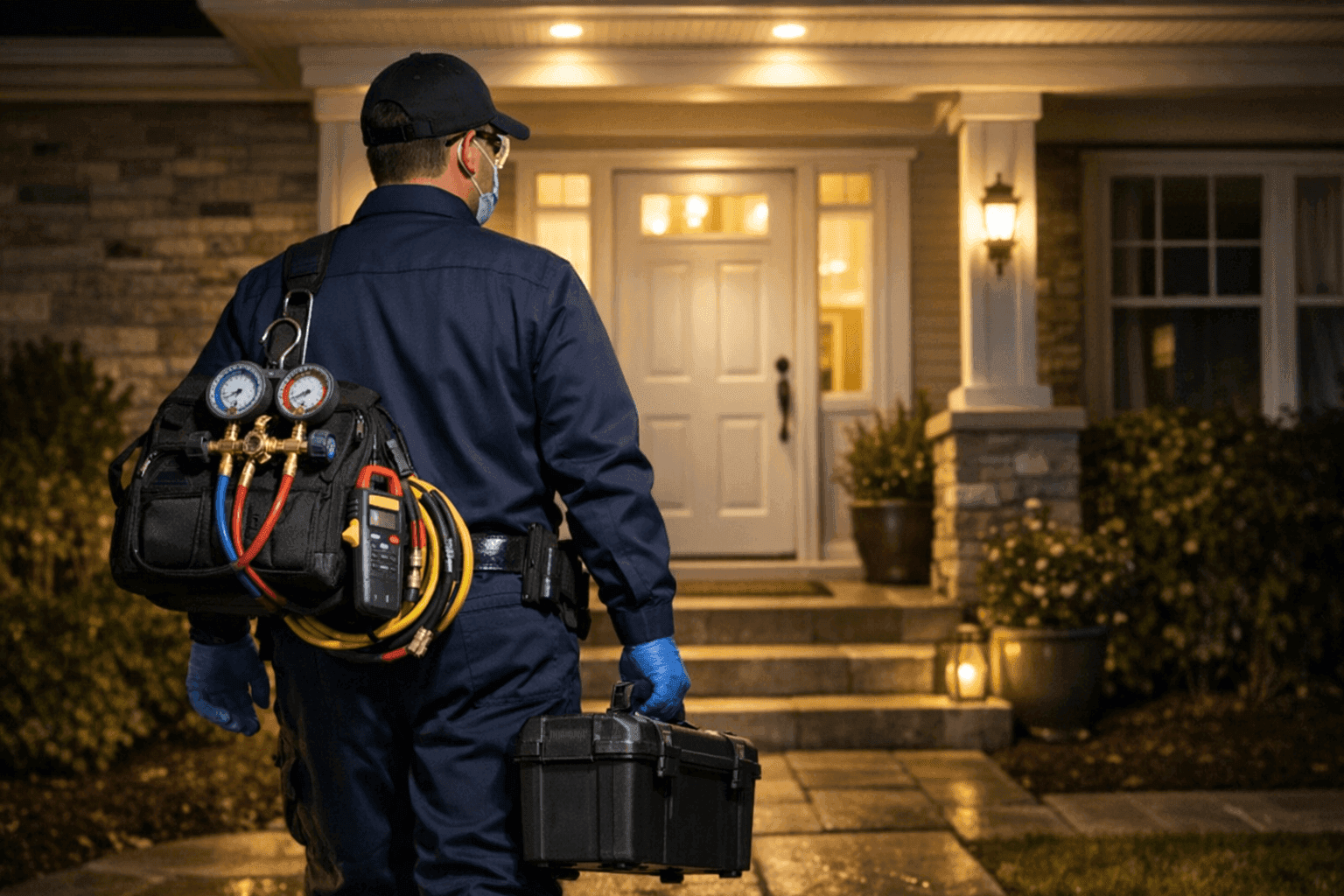
When your home feels like a sauna, or your business is suddenly freezing, panic can set in. The comfort of your family, employees, or customers is at stake. But not every HVAC hiccup means you need to dial for help at midnight.
At Right On AC, we know how stressful HVAC trouble can be. Let’s break down what counts as an emergency—and when you can safely wait until morning.
What is an HVAC Emergency? ⚠️
Not every strange noise or unexpected shutdown requires a sprint to the phone. An HVAC emergency is a situation where immediate action is needed to protect health, safety, or major property.
Examples—No Cooling, Leaks, Health/Safety Risks
- No Cooling During Extreme Heat: If your AC stops working on a 100-degree day, especially with young kids, elderly, or pets indoors, it’s urgent.
- Leaks or Flooding: Water near your HVAC system can mean a refrigerant or condensate leak—both can quickly damage your property.
- Electrical Burning Smells or Sparks: If something smells like burning wiring, shut down your system and call a pro ASAP.
- Gas Smells: Any whiff of gas (from a furnace or generator) is a major red flag. Get everyone out and call emergency services, then your HVAC team.
- Complete Power Loss: If your generator fails during a storm and your home relies on it for essential cooling, that’s an emergency.
What Can Wait Until Regular Hours?
A broken HVAC system is always inconvenient. But not every problem is urgent. Sometimes, waiting for regular business hours saves you money—and stress.
Troubleshooting Non-Emergencies
Before you call for 24 Hour Emergency Service, check these:
- Thermostat Settings: Make sure it’s set to “cool” or “heat” as needed, and the batteries aren’t dead.
- Circuit Breaker: Sometimes a simple tripped breaker is to blame.
- Filter: A clogged filter can cause your system to shut down or blow warm air.
- Noisy Operation: Rattles, hums, and clunks are annoying, but unless accompanied by burning smells or smoke, they usually aren’t emergencies.
If your space is still livable—no risk of pipes freezing, people overheating, or water damage—you can likely wait for a scheduled repair.
Quick Safety Checklist for Home & Business
Safety first. Here’s what to do if something seems really wrong:
- Power Off: If you see sparks or smell burning, turn off your HVAC system at the breaker.
- Evacuate for Gas or Burning Odors: Don’t take chances with gas leaks or electrical fires.
- Check for Water: If you spot pooling water, move valuables away to prevent damage.
- Call for Help: If in doubt, err on the side of safety and call your local professionals.
DIY or Call a Pro?
It’s tempting to poke around when something goes wrong. Sometimes, a little troubleshooting is good. But for any issue involving electrical, gas, or refrigerant lines—leave it to the professionals.
Attempting DIY repairs on complex HVAC systems can be like trying to fix a car engine with a butter knife. You could end up causing more damage, risking safety, or voiding warranties.
How Professionals Respond to Emergencies
When you call for emergency cooling help, here’s what the pros do:
- Rapid Assessment: Our technician will ask a few targeted questions about symptoms, smells, and recent events.
- Safety First: Upon arrival, we check for immediate hazards—electrical, gas, or water.
- System Check: We inspect your thermostat, breaker, filters, and visible components.
- Targeted Repairs: Only after pinpointing the root cause do we proceed—minimizing disruption and unnecessary costs.
- Communication: We keep you informed every step of the way, explaining what’s urgent and what can wait.
When It’s an Emergency—And When It’s Not
Still unsure? Here’s a quick guide:
- Emergency: No cooling in extreme heat, visible leaks, electrical or gas dangers, total power loss.
- Non-Emergency: Mild temperature swings, routine filter clogs, minor noises, thermostat glitches.
If you’re on the fence, it’s always better to ask. Our team can help you decide whether you need immediate service or a next-day appointment.
Prevention & Maintenance Tips
Many emergencies can be avoided with regular care:
- Schedule seasonal HVAC Maintenance to catch small issues before they grow.
- Change filters every 1-3 months.
- Keep vents and returns clear of obstructions.
- Have a professional perform annual Home Energy Audits and checkups.
A stitch in time—really does save nine (and expensive late-night calls).
Costs & Time Factors
Emergency service is often more expensive, since technicians are called out after hours, on weekends, or holidays. If your issue can wait safely, scheduling during business hours can save you money.
But remember: Delaying real emergencies can cost much more in property damage, lost productivity, or health risks.
Signs of Trouble: What to Watch For
Don’t ignore these warning signals:
- Sudden loss of cooling or heating
- Unusual hissing, banging, or screeching sounds
- Puddles or moisture near your system
- Unexplained spikes in energy bills
- Musty or burning odors
Catch issues early, and you’ll often avoid emergencies altogether.
Timeline & Disruption: What to Expect
Emergency repairs can be fast—or take time if parts are needed. Our goal at Right On AC is to restore comfort with minimal disruption. For major problems, we’ll give you a realistic timeline and keep you in the loop.
Common Mistakes to Avoid
- Ignoring early warning signs until it’s too late
- Attempting risky repairs without proper tools or training
- Skipping regular maintenance
- Blocking vents or cranking the thermostat to extreme settings
Stay proactive, and you’ll save money and stress.
FAQ: Emergency HVAC Service
Q: What’s the difference between “no cooling” and “low cooling”?
A: Total loss of cooling in extreme weather is an emergency. Low cooling might be due to a clogged filter or refrigerant issue—urgent, but often can wait.
Q: What should I do if my generator fails during a storm?
A: If you rely on it for cooling or health-related equipment, call for help immediately. Otherwise, wait for safe weather to schedule service.
Q: How do I know if it’s safe to stay in my home or business?
A: If there’s no smell of gas, no electrical risk, and temperatures are bearable, it’s usually safe to wait for regular service.
Seasonal Considerations
Summer and winter are peak times for emergencies. Schedule maintenance before the hottest and coldest months to avoid surprises. If you’re searching for “Generator Installation near you” or want to upgrade your thermostat, plan ahead to beat the rush.
Air Quality and Health Risks
Poor cooling and ventilation can quickly affect indoor air quality. Mold, humidity, and airborne pollutants may spike if your system fails. The CDC and EPA recommend immediate attention for leaks or stagnant air that could impact health.
Timeline: From Call to Comfort
When you call Right On AC, our dispatcher will guide you through safety checks and, if necessary, dispatch a technician promptly. Most emergency repairs are resolved in a single visit, barring major part replacements.
Materials & Equipment Pros Bring
Our vans are stocked with the most common parts for AC Repair and emergency fixes. We carry diagnostic tools, filters, and safety gear so we can solve most problems on the spot.
For Residents and Businesses Alike
Whether you’re a homeowner or a business manager, fast action matters. Look for a cooling company that’s qualified, responsive, and transparent about service options and costs.
The Bottom Line
Not every HVAC issue is an emergency. But when it is, quick thinking—and the right professional—can make all the difference. Know the signs, stay safe, and don’t hesitate to call if you’re unsure.
Call Right On AC now — or reach us anytime at 888-836-1269 .