Duct Cleaning: Does Your Home Really Need It?
Is your home’s air feeling stuffy, or do you find mysterious dust piling up right after you clean? You’re not alone. Many homeowners and businesses wonder if duct cleaning is the missing link to a fresher, healthier indoor space.
At Right On AC, we meet folks every week who worry about what’s lurking in their vents. Before you jump into a duct cleaning service, let’s clear the air—literally and figuratively. Here’s what you really need to know.
What Is Duct Cleaning? 🌀
Picture your home’s ductwork like a set of lungs. These passages carry air from your heating and cooling system to every corner of your space. Over time, dust, pet hair, and even mold spores can settle inside.
Duct cleaning means removing this built-up debris from your heating, ventilation, and air conditioning (HVAC) system. Pros use special tools—think high-powered vacuums and rotating brushes—to sweep away years of accumulation. The goal? Cleaner air, less dust, and potentially better system performance.
Spotting the Signs: Do You Really Need It?
Not every home or office needs duct cleaning. Sometimes, a little dust is just part of life. But there are red flags that mean it’s time to consider a professional sweep:
- Visible dust or debris blowing from vents
- Unexplained musty or moldy odors when the system runs
- Surges in allergy symptoms or respiratory issues indoors
- Signs of rodent or insect infestation in the ductwork
- Recent renovation or construction (dust finds its way everywhere)
If your vents look like lint traps or you smell something earthy when the AC kicks on, it’s time to investigate further.
Mold, Dust, and Allergen Triggers
Mold thrives in dark, damp places—like neglected ductwork. According to the EPA, visible mold growth inside your ducts is a clear sign you should act. Mold spores can circulate throughout your space, triggering allergies and asthma.
Dust mites, pet dander, and pollen also hitch rides through your air system. If you’re constantly sneezing or dusting, your ducts may be playing a bigger role than you think.
The Real Benefits of Professional Duct Cleaning
Done right, duct cleaning can offer:
- Cleaner indoor air: Less dust on surfaces and in the air.
- Reduced allergy triggers: Fewer irritants circulating.
- Better system efficiency: Less buildup means your HVAC doesn’t have to work as hard.
- Longer equipment life: Clean systems run smoother, lasting longer.
- Peace of mind: Knowing you’re breathing easier.
But these benefits only come when duct cleaning is actually needed—and professionally performed.
Red Flags: When Duct Cleaning Isn’t Necessary
Some companies push duct cleaning on every customer. The truth? Not all homes need it.
Watch out for:
- High-pressure sales tactics: If someone insists you need cleaning now without inspecting your system, be wary.
- No visible signs of dirt or mold: If your ducts look clean and you’re not experiencing symptoms, you might not need a service.
- Promises that sound too good to be true: "Guaranteed to cure all allergies" isn’t realistic.
Stick with HVAC contractors who assess your system first and explain their findings.
How to Check Your Own Ducts
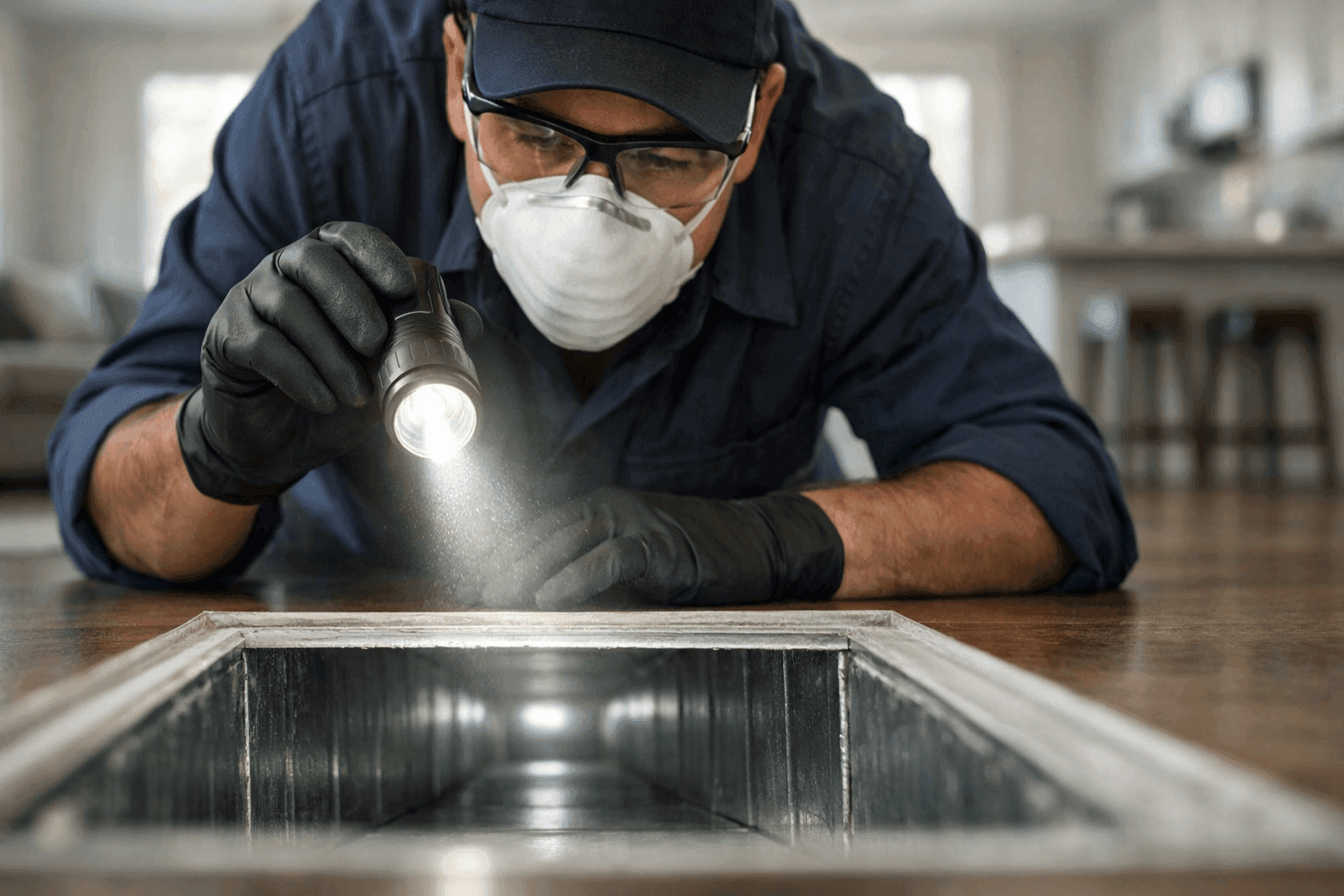
You don’t need a flashlight and a hard hat just to take a peek. Here’s a simple home check:
- Remove a vent cover.
- Shine a flashlight inside.
- Check for dust buildup, debris, or obvious mold.
- Look for insect shells or rodent droppings.
If you see thick dust, dark spots, or smell something musty, it’s worth calling a professional.
What Happens During a Professional Duct Cleaning?
At Right On AC, a typical duct cleaning goes like this:
- Inspect your HVAC system and ducts for visible issues.
- Protect your home’s floors and furniture.
- Use HEPA-filtered vacuums and rotating brushes.
- Clean supply and return ducts, registers, and grilles.
- Inspect for leaks, damage, or signs of mold.
- Share before-and-after photos if you’d like proof.
Always ask your technician about their process and the equipment they use.
The Value of Certifications and Honest Assessments
Look for contractors certified by organizations like the National Air Duct Cleaners Association (NADCA). Certification shows a commitment to proper methods and ethical practices.
A reputable cooling company will offer a straightforward assessment, not a scare tactic. If there’s no significant buildup or contamination, they’ll tell you. That’s how we do it at Right On AC.
Health, Safety, and Code Considerations
The U.S. Environmental Protection Agency (EPA) states that duct cleaning is only necessary in specific situations, such as visible mold growth, pest infestation, or excessive dust. Following local building codes and safety guidelines is key—ask your provider about their compliance.
Always ensure that your technician takes steps to protect your indoor air during cleaning, using proper containment and filtration.
DIY vs. Professional: What’s Safe?
While you can vacuum vent covers and wipe grilles yourself, deep duct cleaning isn’t a DIY project. The right tools and techniques matter. Improper cleaning can release even more dust—or damage your ductwork.
If you’re considering professional help, [Generator Installation near you] can be found with reputable contractors who handle HVAC and electrical safely. Stick with licensed pros who know the ins and outs of your system.
How Often Should Ducts Be Cleaned?
Most homes don’t need annual duct cleaning. The National Air Duct Cleaners Association recommends cleaning every 3–5 years, or as needed—especially after renovations, pest issues, or if someone in your home has severe allergies.
Routine maintenance, like changing filters and scheduling regular HVAC Maintenance, keeps your system healthy between cleanings.
Timeline, Costs, and Disruption
A typical cleaning for a standard home takes around 2–4 hours. Larger commercial spaces may take longer. Costs vary based on system size, contamination, and access—but beware of “too good to be true” low prices.
Reputable companies provide clear estimates upfront and explain exactly what’s included. Ask about any prep you should do before their visit—like moving furniture or securing pets.
Preventing Dust and Contaminant Buildup
Keep your ducts cleaner between services with these tips:
- Change HVAC filters regularly (every 1–3 months).
- Vacuum and dust your home often.
- Address water leaks or humidity fast—mold loves moisture.
- Schedule Indoor Air Quality assessments to catch issues early.
These steps help keep your system—and your lungs—happier.
When Is Duct Cleaning an Emergency?
There are times when you should act fast:
- You see or smell mold in your ducts.
- There’s a sudden rodent or insect infestation.
- You’ve had a fire, flood, or major water leak.
- Allergy or asthma symptoms become severe without explanation.
In these cases, don’t wait. Duct cleaning can make a real difference for your health and safety.
Seasonal Considerations: Best Time for Duct Cleaning
Spring and fall are prime seasons for duct cleaning, especially before you ramp up heating or cooling. Pollen, dust, and pet dander often spike in spring, while fall brings leaf debris and humidity changes.
Planning ahead helps you breathe easier year-round.
Common Mistakes to Avoid
- Ignoring visible mold or odors.
- Falling for scare tactics or cheap “blow-and-go” services.
- Forgetting to change filters or schedule regular HVAC maintenance.
- Believing duct cleaning will solve every indoor air problem—it’s one piece of the puzzle.
A balanced approach keeps your system running right and your air clean.
The Bottom Line: Is Duct Cleaning Worth It?
Duct cleaning isn’t always a magic fix, but when you notice the signs—dust, odors, allergy flare-ups, or visible mold—it can be a smart investment in your health and comfort. Honest, certified professionals will help you decide if it’s truly needed.
If you’re seeking a reliable cooling company who puts your needs first, Right On AC is here to help.
Call Right On AC now — or reach us anytime at 888-836-1269 .