Emergency Cooling: What to Do Before Help Arrives
When your air stops flowing on a muggy summer night, time seems to slow down. That humming comfort disappears, and a wave of sticky heat creeps in. At Right On AC, we get how unsettling this can be for families, property managers, and business owners alike.
You want answers. Fast. Here’s how to keep your cool—and stay safe—before professional help arrives.
Common Cooling Emergencies
Cooling systems tend to fail at the worst possible moment—when you need them most. Here are the most frequent situations that call for urgent action:
- Complete AC or HVAC breakdown during extreme heat
- Strange burning smells, smoke, or sparking from equipment
- Thermostat not responding or displaying errors
- Power surges knocking out cooling or generator systems
- Loud, grinding, or banging noises from your unit
- Water leaks pooling around indoor or outdoor components
Each scenario is stressful. Some, like electrical smells or visible sparks, can be dangerous. The rest can turn your living or working space into a sauna. Recognize these signs early for the best outcome.
Quick Safety Checklist 🛑
Before you do anything else, pause and check these basics:
- Is anyone in the home or building showing symptoms of heat exhaustion? (Headache, dizziness, nausea, confusion)
- Are there electrical hazards—like exposed wires, burning smells, or tripped breakers?
- Can you safely reach your thermostat, breaker panel, and main cooling unit?
- Do you have access to bottled water and a shaded spot?
If you spot smoke, flames, or a strong electrical odor, evacuate immediately and call 911. Never put yourself at risk for property.
How to Stay Cool While You Wait
When the AC fizzles out, you feel it immediately. But there are steps you can take to lower your temperature—literally and metaphorically:
- Close blinds and curtains: Block out sunlight to keep indoor temps from rising.
- Set up fans: Even a small box fan can help move air, but point it out the window if it’s hotter outside than in.
- Damp cloths: Place cool, damp towels on wrists, neck, and ankles for relief.
- Stay hydrated: Drink plenty of water. Avoid caffeine and alcohol.
- Head low: Hot air rises. If it’s safe, spend time in lower levels of your home.
- Portable options: If you have one, use a portable AC or window unit—plugged directly into a wall outlet, never an extension cord.
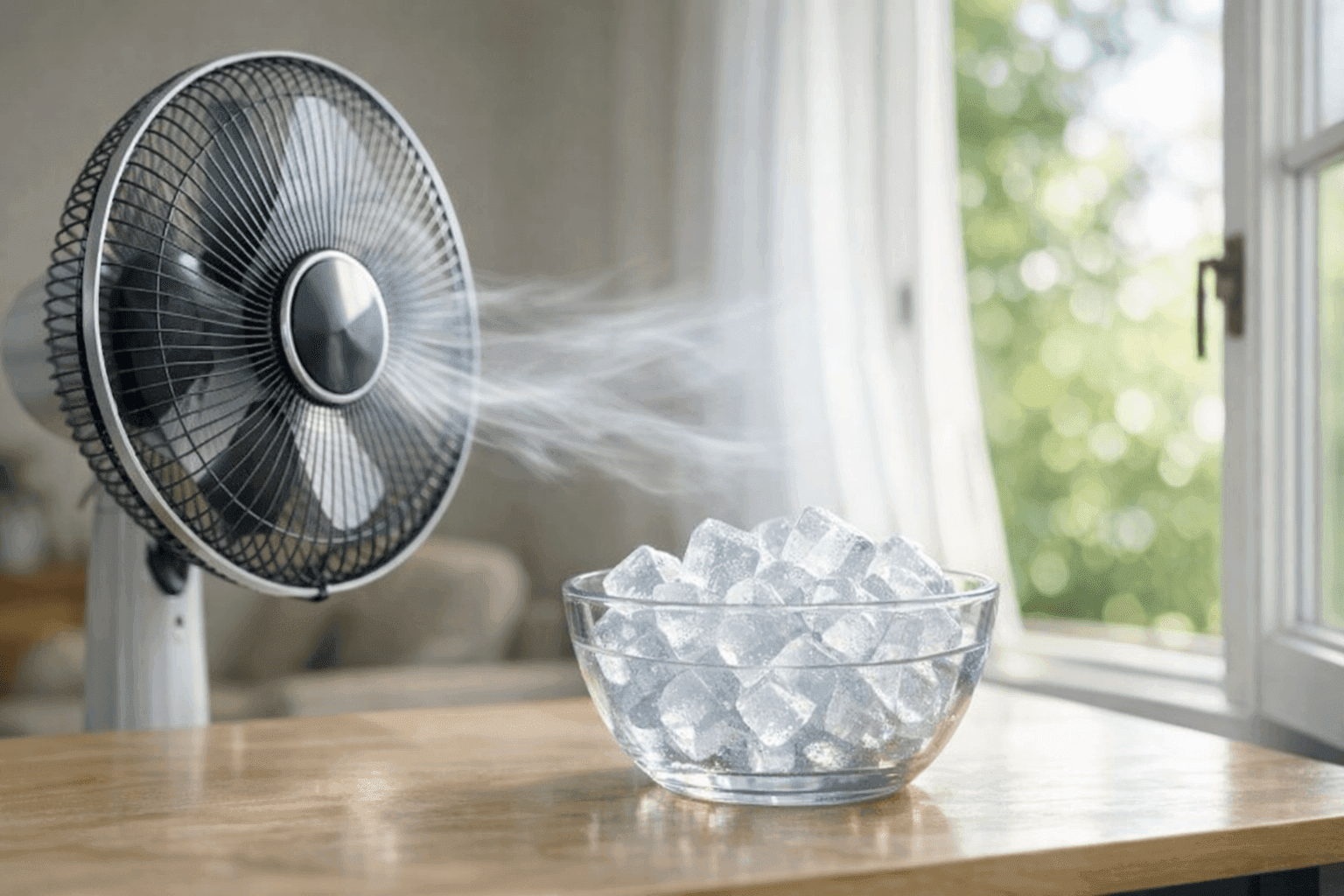
- Use ice: Place a bowl of ice in front of a fan for a quick DIY cooling hack.
If you’re a business owner, consider relocating employees or customers to a safer, cooler area until help arrives.
What Not to Do
Panic leads to mistakes. Here’s what to avoid during a cooling emergency:
- Don’t try to fix major electrical or refrigerant issues yourself.
- Never remove access panels or reach into units while they’re powered.
- Don’t use gas-powered generators indoors; risk of carbon monoxide poisoning is real.
- Avoid plugging too many fans or portable ACs into one circuit; this can trip breakers and make things worse.
- Don’t ignore warning signs like burnt smells or popping noises.
Stay safe. Some quick fixes can escalate into bigger, costlier problems—or even hazards.
Immediate Safety Steps
If your cooling system fails, follow these steps for safety and peace of mind:
- Switch off the system: Use the thermostat and, if needed, your electrical breaker panel.
- Check for visible damage: Look for water leaks, scorch marks, or strange noises.
- Clear the area: Keep children, pets, and non-essential people away from the unit.
- Document the issue: Take photos or notes—this helps your technician diagnose faster.
- Call for 24 Hour Emergency Service: Don’t wait if you’re unsure. Better safe than sorry.
When It’s an Emergency (and When It’s Not) ⚡
Not every cooling hiccup is a five-alarm fire. But some situations require urgent help:
- Heatwaves or high humidity with vulnerable people in the home (elderly, infants, chronic illness)
- Signs of electrical fire or sparking
- Complete system shutdown with no airflow in extreme weather
- Water leaking near electrical outlets or components
If you’re uncertain, treat it as an emergency—especially if you’re caring for others.
DIY vs. Call a Pro
It’s tempting to tinker. But modern HVAC and cooling systems are like puzzles missing half the pieces. A loose wire or wrong fuse can cause more than a headache.
DIY:
- Resetting the thermostat
- Checking and replacing air filters
- Ensuring vents aren’t blocked
- Unplugging a tripped portable unit and letting it cool off
Call a Pro:
- Any electrical or refrigerant problem
- Strange noises or smells
- Water where it shouldn’t be
- Generator Installation near you or service
When in doubt, step back and let qualified technicians handle the rest.
What Pros Do On Arrival
Your call sets off a sequence. Here’s what a qualified Right On AC technician will do:
- Assess the immediate safety and secure the area
- Diagnose the problem using meters and tools
- Check for code compliance (per National Electrical Code and local regulations)
- Repair or replace failed components using industry best practices
- Test your system before leaving, ensuring cooling is restored
You’ll get clear explanations, not guesswork.
Timeline & Disruption: What to Expect
A cooling emergency disrupts your day. Most urgent repairs can be assessed within an hour after arrival. Simple fixes, like a tripped breaker or faulty thermostat, often take less than 90 minutes. Bigger repairs may require parts or more time.
If extensive duct or system work is needed, your technician will explain the options and expected downtime, so you’re never left in the dark.
Prevention & Maintenance
Most emergencies can be traced back to skipped maintenance or small problems that grew bigger over time. Schedule regular AC Maintenance and HVAC Maintenance to catch issues early.
- Change filters every 1–3 months
- Have ducts cleaned seasonally
- Test thermostats and backup generators before summer hits
- Book home energy audits to spot inefficiencies
Staying ahead keeps your system running smooth and your family or business comfortable.
Costs & Time Factors
Emergency repairs can cost more due to after-hours rates and immediate response needs. The biggest driver is the nature of the problem—simple fixes vs. system replacement. Ask your technician for a full breakdown before work begins.
Insurance may cover certain types of damage (like electrical surges or flood). Check your policy for details.
Signs of Trouble Before a Breakdown
Sometimes, your cooling system whispers before it screams. Watch for these early warnings:
- Odd smells (musty, burnt, chemical)
- Frequent cycling on and off
- Uneven temperatures in different rooms
- Higher energy bills without explanation
- Visible dust or debris near vents
Addressing these issues early can save you from emergency calls later.
Materials & Equipment for Temporary Relief
Keep a few basics on hand for cooling emergencies:
- Portable fans
- Ice packs or gel packs
- Bottled water
- Battery-powered thermometers
- Spare air filters
- Flashlights with extra batteries
These simple supplies bridge the gap until your system is back online.
Common Mistakes in Cooling Emergencies
Don’t fall for these traps:
- Overloading power strips with fans or portable units
- Ignoring warning lights on your thermostat
- Trying to reset breakers repeatedly after they trip
- Blocking vents with furniture or rugs
- Waiting too long to call for help
A bit of caution goes a long way.
FAQ: Emergency Cooling
Q: Can I use an oven or stove fan for cooling?
A: No—these are designed to vent heat, not cool air. Stick to portable fans or open windows only if it’s cooler outside.
Q: How long is it safe to stay in a hot house?
A: Heat exhaustion can set in quickly, especially for the vulnerable. Move to a cooler place or call for emergency help if symptoms appear.
Q: Who should I call for urgent cooling issues?
A: A licensed cooling contractor like Right On AC, available 24/7 for urgent repairs.
Seasonal Considerations
Extreme heat isn’t just a summer problem. Spring storms, fall power outages, and even winter meltdowns can knock out your cooling. Prepare your system ahead of each season and review your emergency plan with your family or staff.
Final Thoughts: Be Ready, Not Sorry
A cooling emergency can feel overwhelming. But with the right steps, you can protect your health, your property, and your peace of mind. Know your limits. Act quickly. And always call in the professionals when the situation calls for it.
Call Right On AC now — or reach us anytime at 888-836-1269 .