Generator Installation: What Homeowners Need to Know
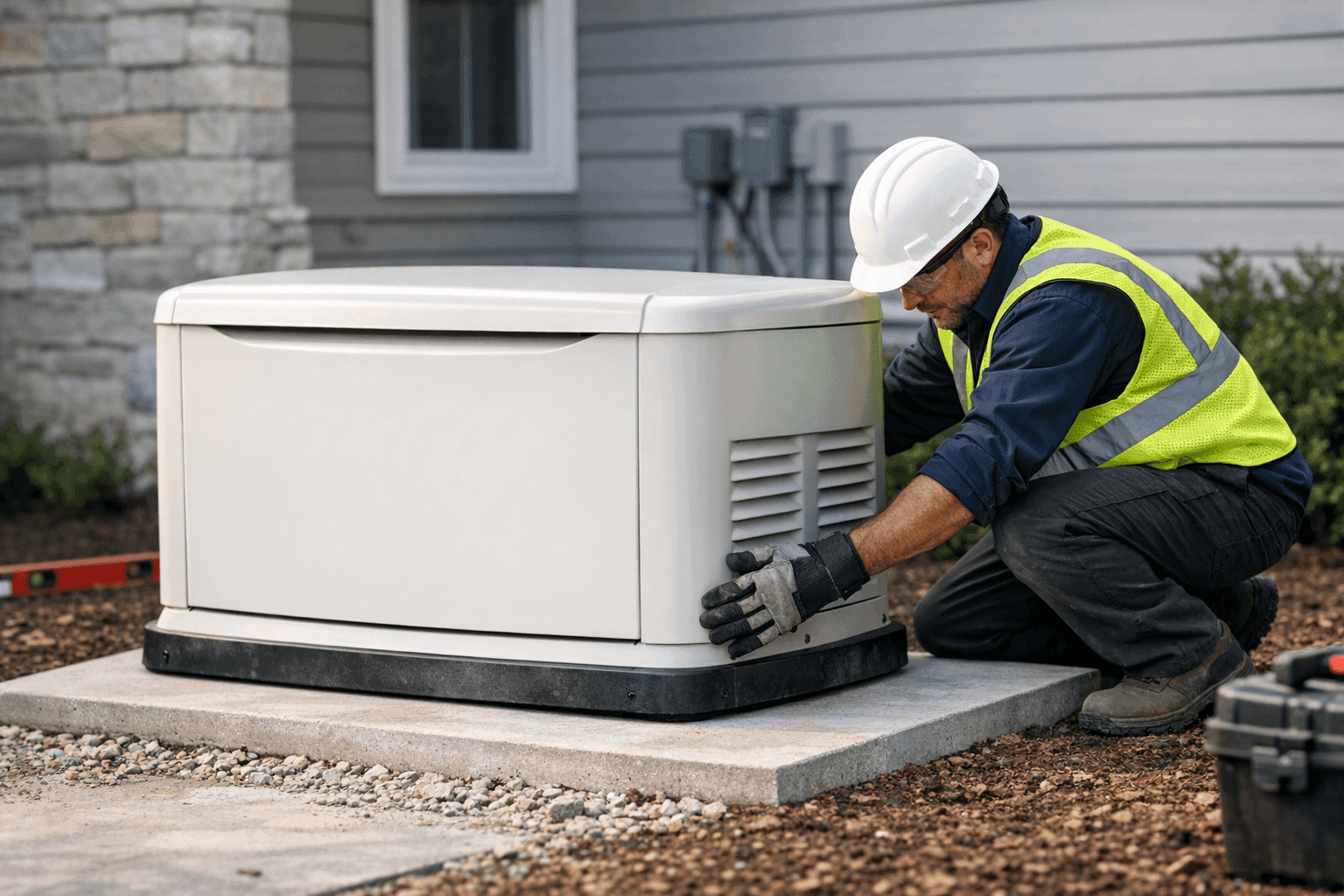
Power outages never send a calendar invite. Whether it’s a summer storm or a winter freeze, losing electricity can flip your world upside down. Maybe you worry about the food in your fridge, keeping your family safe, or keeping business operations moving.
At Right On AC, we know the stress and uncertainty a blackout brings. Our team helps homeowners and businesses stay ready—offering reliable generator installation near you with a focus on safety, compliance, and long-term value.
Why Install a Generator? ⚡
When the lights go out, so does comfort. Imagine your house as a ship in a storm—without power, you lose navigation, warmth, and control. A generator acts like a steady anchor, keeping essential systems running when the grid lets go.
- Peace of mind for families: Keep lights, cooling, medical devices, and appliances powered.
- Business continuity: Avoid costly downtime, data loss, and equipment damage.
- Safety: Maintain security systems and emergency lighting.
- Protection for perishables: No more spoiled food or lost productivity.
Think of generator installation as an insurance policy for your comfort, safety, and wallet.
Types of Generators: Portable vs. Standby
Not all generators are created equal. Choosing the right one is like picking between a spare tire and a full set of snow tires—both help, but some situations demand more.
Portable Generators
- Best for: Short-term use, small appliances, or occasional outages.
- Setup: Usually manual. Need to be started and plugged in during outages.
- Fuel: Gasoline or propane.
- Mobility: Can be moved, but require safe outdoor use (carbon monoxide risk).
- Limitations: Limited power output; can’t run the whole house.
Standby Generators
- Best for: Whole-home or business backup.
- Setup: Permanent installation, wired directly into your electrical system.
- Fuel: Natural gas or propane—automatic startup when power fails.
- Power: Can handle HVAC, refrigerators, medical devices, and sensitive electronics.
- Peace of mind: No need to roll up your sleeves in the dark.
Most homeowners choose standby generators for the seamless switch and greater coverage. Commercial clients often require these for code compliance or insurance reasons.
When Is the Right Time to Install a Generator?
Timing matters. The best time to install is before the next blackout, not after the storm hits. Consider installation if you:
- Have frequent outages in your area
- Depend on medical equipment or remote work
- Store temperature-sensitive goods
- Want to protect property or ensure business continuity
Don’t wait until a candlelit dinner isn’t romantic anymore. Be proactive.
Installation Steps: What to Expect
Installing a generator is more than rolling a big box into your backyard. Here’s a clear roadmap:
- Site Evaluation: Right On AC inspects your property, checking power needs, fuel sources, and safe distances (per National Fire Protection Association guidelines).
- Sizing: We calculate the wattage required. Too small, and you’ll blow a fuse; too large, and you waste money.
- Permitting: Pulling the right permits ensures the work is legal, safe, and up to local code.
- Pad & Placement: Concrete pad poured or prepped base. Generator positioned away from windows, doors, and vents.
- Electrical Hookup: Licensed electricians integrate the generator with your home’s panel, using an automatic transfer switch.
- Fuel Connection: Tie-in to propane or gas lines—leak tested and code inspected.
- Startup & Testing: We run the first test, calibrate settings, and show you how it works.
- Final Inspection: Local inspectors sign off, ensuring every wire is safe and every step meets code.
Expect a little noise and some digging, but most installations wrap up in a day or two.
Permitting and Safety: No Shortcuts Allowed 🛑
Cutting corners with electrical work is like skipping brakes on a downhill ride. Permits protect you, your family, and your investment. At Right On AC, we:
- Pull all required local and state permits
- Follow National Electrical Code (NEC) and manufacturer instructions
- Meet clearance standards for carbon monoxide safety (CDC guidelines)
- Only use certified electricians and trained installers
Inspections aren’t just paperwork—they’re peace of mind. Unpermitted work can void insurance and put you at risk.
Quick Safety Checklist
- Never operate portable generators indoors or in garages.
- Keep generators at least 5 feet from windows and doors.
- Use CO detectors if you have a generator on your property.
- Only licensed professionals should connect generators to your electrical panel.
- Regularly test and maintain your generator.
For more on safe generator operation, see guidelines from the Electrical Safety Foundation International (ESFI).
DIY vs. Call a Pro: The Honest Breakdown
You can buy a generator at a big-box store. But wiring it to your home? That’s another story. Electrical panels and fuel lines aren’t a place for guesswork. Mistakes can lead to fire, power surges, or serious injury.
- DIY Risks: Shock hazards, fire, code violations, improper sizing.
- Professional Benefits: Proper permitting, warranty protection, safe fuel and electrical connections.
Entrust generator installation to licensed professionals—like Right On AC—who understand the codes, the tech, and the stakes.
What to Expect When the Pros Arrive
Here’s how our team keeps things smooth:
- We start with a walk-through and answer your questions.
- Clear explanations on placement, noise, and maintenance.
- We handle everything—from hauling to cleanup.
- After install, we test every function and show you the ropes.
We believe in leaving your home safer than we found it.
Costs & Time Factors
Generator installation isn’t one-size-fits-all. Costs vary based on:
- Generator size and brand
- Site complexity (distance to fuel lines, terrain)
- Permitting and inspection fees
- Electrical upgrades, if needed
Most residential installs finish in 1–2 days. Commercial projects may take longer, depending on power needs and location.
Preventing Disasters: Maintenance Planning
Even the best generator needs regular TLC. Picture it like a car—ignore oil changes, and even the best ride leaves you stranded.
- Routine checks: Oil, filters, battery, and load tests.
- Annual service: Professional tune-ups, fuel system inspections.
- After every use: Let it cool, refuel safely, check cords and panels.
Regular generator maintenance keeps your system ready for the next big storm. We recommend scheduling at least one professional visit per year.
Seasonal Considerations for Generator Use
- Winter: Clear snow and ice from intake/exhaust vents.
- Summer: Watch for overheating, keep intake areas clean of debris.
- Storm prep: Test your generator before major weather events.
A generator is only as reliable as its last test run. Build a schedule around seasonal changes.
Common Installation Mistakes
- Skipping permits or professional help
- Choosing the wrong generator size
- Placing too close to living spaces (CO risk)
- Forgetting to test or service the system
- Not registering the warranty
Avoid these pitfalls by working with experienced pros.
Signs of Trouble: When to Call for Repair
- Hard starts or failure to start
- Unusual noises or vibrations
- Frequent shutdowns or error codes
- Fuel or oil leaks
- Electrical flickers or surges
Don’t wait for a total outage—address issues early. For urgent help, we offer 24-hour emergency service.
Timeline & Disruption: What’s Normal?
Most installs cause minimal disruption. You’ll see:
- A small team, some tools, and maybe a trench for fuel lines
- Short power shutoffs during panel integration
- Noise from testing and running the first cycle
We aim to keep your home clean, safe, and running smoothly. You can usually return to normal routines the same day.
Materials & Equipment Used
Right On AC uses:
- Code-rated wiring and transfer switches
- Factory-recommended pads and mounting hardware
- Fuel connections rated for propane/natural gas
- Weather-resistant enclosures for outdoor use
We only install generators from trusted brands that meet UL and EPA standards.
Frequently Asked Questions
How often should I run my generator?
Test run your generator monthly for 15–30 minutes under load. This keeps fluids moving and alerts you to any issues.
Can a generator power my AC?
Most standby generators can handle your cooling system—if sized correctly. For more about keeping your home comfortable, see our AC installation page.
Is generator installation noisy?
When running, standby generators are similar to a central air conditioner. Placement and modern designs help minimize disruption.
Do I need a generator for my business?
If downtime means lost revenue or safety risks, a backup generator is a smart investment. We serve both homes and businesses.
When It’s an Emergency
Power down, phones dead, and the fridge is on its last legs? That’s when a generator goes from nice-to-have to absolute necessity. We provide 24-hour emergency response for repairs and maintenance.
For generator installation or cooling needs, Right On AC is here to help you keep the lights on—no matter what the weather brings.
Call Right On AC now — or reach us anytime at 888-836-1269 .