How Air Filter Upgrades Improve Home Health
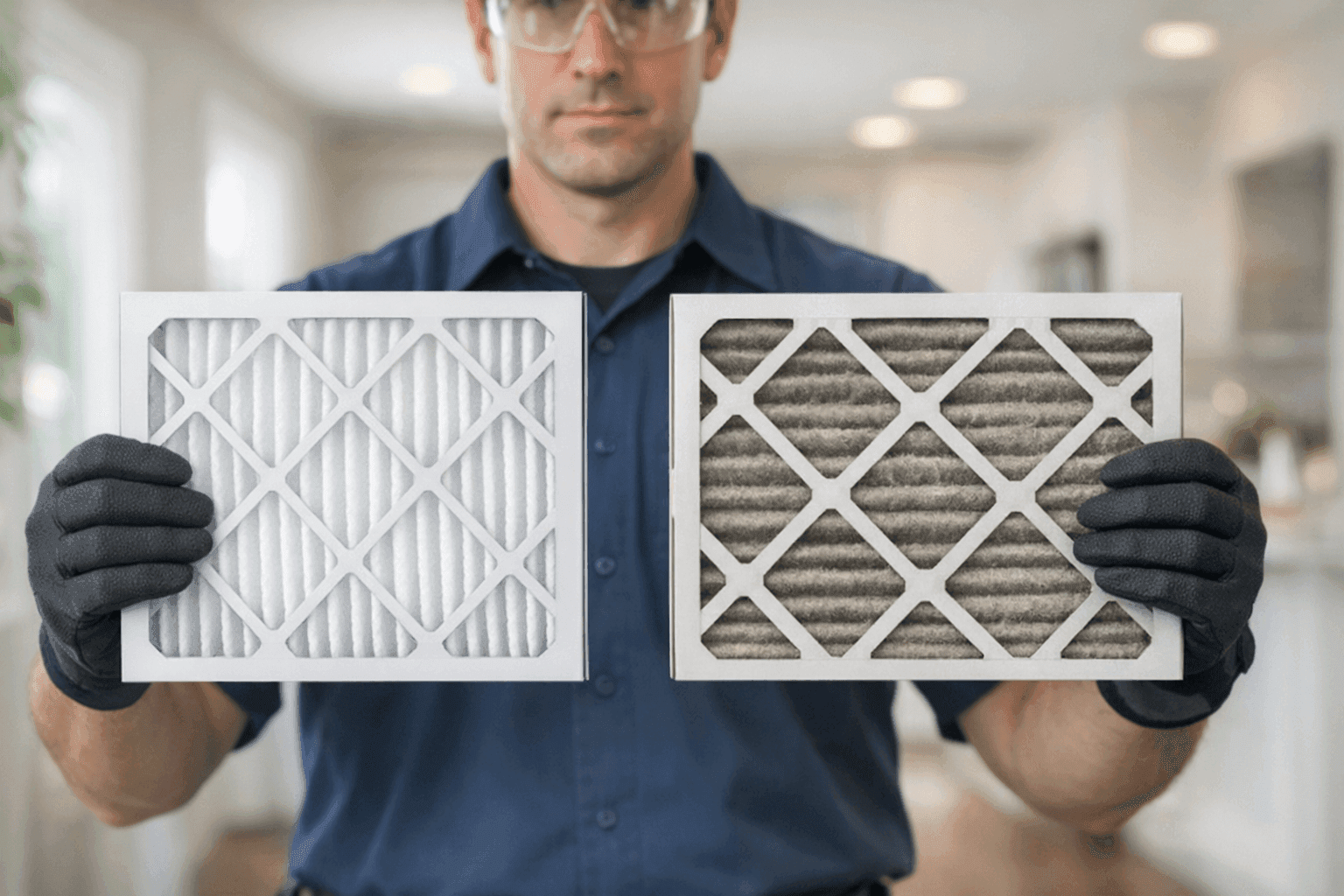
Breathe in. Notice anything? Most of us don’t think twice about the air at home or work—unless it smells odd or dust lingers everywhere. But what’s floating around you is invisible, and it matters more than you’d think. Right On AC helps homeowners and business owners take control of their air, one filter at a time.
Still using whatever filter fits or came with your system? Upgrading isn’t just about “catching dust”—it’s about health, comfort, and peace of mind. Let’s explore why.
How Filter Upgrades Work 🛠️
It’s easy to picture an air filter like a net—catching the big stuff, letting the rest pass through. But quality filters do much more. They trap microscopic particles you can’t see: pollen, pet dander, bacteria, even some viruses.
When air moves through your cooling system, it’s forced through the filter. A basic filter grabs large debris (think pet hair, visible dust). High-efficiency filters, though, are built tighter—like swapping a fishing net for a sieve. They can capture much smaller particles, including those that trigger allergies or asthma.
How does this play out? Your system draws in air, pushes it through the filter, and circulates cleaner air through every room. Over time, this reduces buildup in your ducts and system, too.
Benefits for Health and Comfort
Upgrading your air filter isn’t just a “nice to have.” It’s a real defense against:
- Allergens (pollen, mold spores, pet dander)
- Bacteria and some viruses
- Fine dust and smoke particles
- Odors and volatile organic compounds (VOCs)
Clean air feels lighter, smells fresher, and—most importantly—helps protect your lungs. The EPA links poor indoor air quality to headaches, fatigue, and worse. Kids, older adults, and anyone with asthma or allergies feel these effects most.
You’ll also notice less dust settling on surfaces, meaning less cleaning and less irritation for sensitive noses. For businesses, healthier air means fewer sick days and better focus.
Types of High-Efficiency Filters
Not all filters are created equal. Here’s a quick breakdown:
- Fiberglass filters: Cheapest, only block big dust. Not great for health.
- Pleated filters: Folded material catches much more, including pollen and mold. A good step up.
- HEPA filters: Gold standard for trapping tiny particles (think: hospital-grade). Not all systems can handle them, though.
- Electrostatic filters: Use static electricity to attract particles. Some are washable.
- Activated carbon filters: Excellent for odors and chemicals, often paired with other filters.
Look for the MERV rating (Minimum Efficiency Reporting Value). Higher MERV = better filtration. Most homes do well with MERV 8–13. Anything higher may need professional assessment to avoid airflow problems.
Installation and Maintenance Tips
Getting the benefits of better filters means installing and caring for them the right way:
- Check your system: Not every HVAC can handle HEPA or high-MERV filters. Too restrictive, and you risk damaging your cooling equipment.
- Install snugly: Gaps let unfiltered air sneak by.
- Replace regularly: Most filters last 1–3 months. Mark your calendar or tie it to a seasonal change.
- Check for buildup: If your filter looks dark or clogged, swap it—even if it hasn’t hit the calendar mark.
- Don’t forget return vents: Some homes have filters here, too.
If you’re unsure what your system can handle, or you want to maximize Indoor Air Quality, a professional checkup is smart.
The Problem: Hidden Airborne Threats
Imagine dust, pollen, and pet hair as uninvited guests crashing your living room. They settle into rugs, beds, and even your lungs. Over time, these particles can trigger allergies, worsen asthma, or simply make your home feel stuffy.
But the real troublemakers are often invisible. Viruses, bacteria, and tiny pollutants can float through basic filters like sand slipping through your fingers. Without the right filter, you’re breathing in more than you bargained for.
Quick Safety Checklist
Before upgrading your air filter, remember:
- Check your system’s specs. Using a filter that’s too restrictive can overwork your cooling system.
- Always shut off power before swapping filters.
- Inspect for mold or water stains—these signal bigger problems that need fixing first.
- Make sure the filter’s airflow arrows point the right way.
Following these steps keeps your home safe and your system running strong.
DIY vs. Call a Pro
Some filter swaps are easy—just slide out the old, pop in the new. But upgrading to higher-performance filters (like HEPA or custom-fit filters) may need adjustments. You might need to modify your filter slot or upgrade your blower fan.
If you’re tackling a simple MERV 8–11 pleated filter, you can likely do it yourself. For anything more, or if your home has unique needs (lots of pets, allergies, or recent renovations), calling a pro is wise. We can also check for duct leaks, clogged vents, or airflow issues.
What Pros Do On Arrival
When Right On AC’s technicians arrive, they’ll:
- Inspect your system and ductwork
- Test airflow to confirm what your system can handle
- Recommend the best filter for your needs and budget
- Safely install the new filter, ensuring no air bypass
- Set up a maintenance schedule so you don’t forget
We also offer filters and indoor air quality solutions tailored to your space.
Prevention & Maintenance
A filter upgrade is only the start. Keep your air clean by:
- Running your system’s fan regularly (it circulates and filters air)
- Scheduling annual HVAC maintenance
- Cleaning vents and returns often
- Using exhaust fans in kitchens and baths
Consistent care keeps your indoor air as fresh as a morning breeze—and your cooling system humming along.
Costs & Time Factors
Upgrading filters doesn’t break the bank. Pleated filters cost a bit more than fiberglass, but the difference in air quality and comfort is substantial. HEPA or carbon filters are pricier and may require system upgrades.
Most filter swaps take 5–10 minutes. If you need a system check or upgrade, block out an hour with a pro. The investment pays off in fewer sick days, less cleaning, and a longer-lasting HVAC.
When It’s an Emergency
If you notice sudden dust clouds, musty odors, or your system struggles to cool, don’t wait. Clogged or improper filters can cause breakdowns, poor airflow, or even system failure. That’s why Right On AC offers 24-hour emergency service—so your air stays clean, day or night.
FAQ: Your Filter Questions, Answered
How often should I change my filter?
Every 1–3 months, depending on filter type, pets, and dust levels.
Can better filters help with allergies?
Absolutely. High-efficiency filters trap the tiny particles that trigger sneezing, coughing, and itchy eyes.
Is a HEPA filter right for my home?
Not always. Some systems can’t handle the airflow resistance. Ask a pro before upgrading.
What if my filter gets dirty fast?
Check for duct leaks, heavy dust sources, or ventilation issues. It could signal a bigger problem.
Signs of Trouble
Watch for these red flags:
- Dust build-up on vents or furniture
- Persistent odors, especially musty or stale smells
- Increased allergy symptoms
- Unusual noises or reduced airflow from your system
Don’t ignore the signs—addressing filter issues early protects your health and your HVAC investment.
Timeline & Disruption
Worried about downtime? Most filter upgrades or swaps are quick and minimally disruptive. For advanced installations (like adding a HEPA system), plan for a half-day at most.
Common Mistakes to Avoid
- Using a filter that’s too restrictive for your system
- Forgetting to replace filters regularly
- Installing filters backwards (check the airflow arrow!)
- Ignoring musty smells or visible dirt on filters
Good habits keep your air fresh and your system efficient.
Seasonal Considerations 🌱
Spring and fall are perfect times to check on your filters—right before allergy season and after heavy cooling or heating use. If you have pets or do renovations, check even more often.
Materials & Equipment
All you need for a basic swap is:
- The right size filter (measure before buying)
- A screwdriver (sometimes)
- Clean hands or gloves
For upgrades, pros might use airflow meters or duct inspection cameras to ensure everything’s working as it should.
The Big Picture: Investing in Health
Upgrading your air filter isn’t just about dust—it’s about the air your family, pets, and employees breathe every day. Cleaner air means healthier lungs, sharper minds, and a more comfortable space for everyone.
Ready to take the next step? Right On AC is here to help—whether you want a quick filter swap or a full Generator Installation near you and air quality assessment. Breathe easier and live better.
Call Right On AC now — or reach us anytime at 888-836-1269 .