How Dehumidifiers Protect Against Mold and Damage
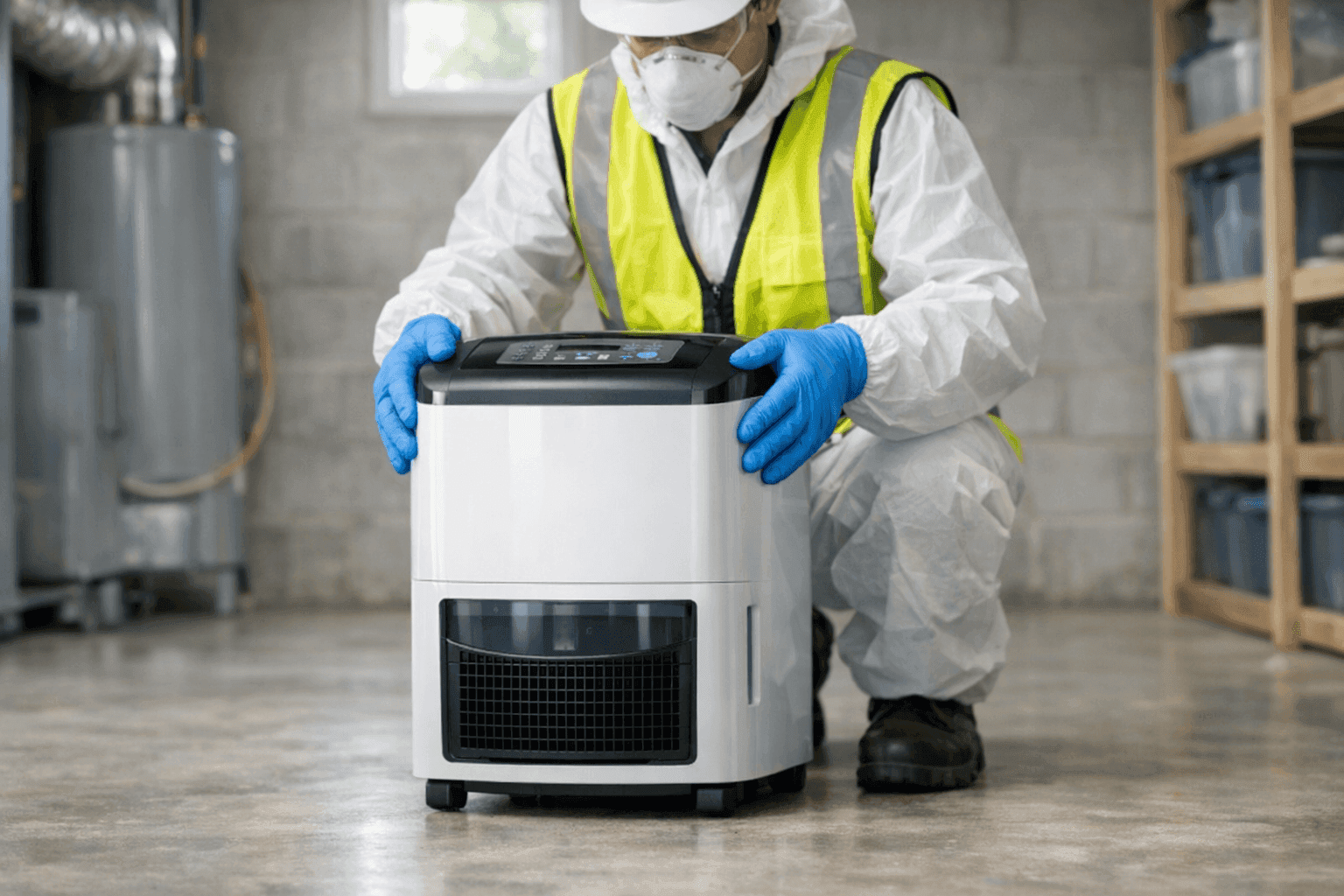
Humidity sneaks in quietly. You won't always see it, but you'll feel its effects—sticky air, musty smells, and, if left unchecked, expensive repairs or even health risks. At Right On AC, we’re committed to helping you defend your home or business from the silent damage caused by excess moisture.
When ignored, high humidity isn’t just uncomfortable. It’s a red carpet for mold, mildew, and a range of issues that can spiral out of control fast. Let’s walk through why dehumidifiers are a cornerstone in protecting both your property and your peace of mind.
Mold Risks from Excess Humidity 🦠
It starts slow. A little dampness in the air, maybe a foggy mirror that never clears, or windows that sweat from the inside. But what’s lurking beneath the surface?
Health and Property Impacts
- Mold and Mildew Growth: Like unwelcome weeds, mold spores thrive in damp environments—especially when humidity stays above 60%. According to the Environmental Protection Agency (EPA), mold can grow in as little as 24–48 hours when conditions are right.
- Respiratory Issues: Mold and mildew aren’t just ugly; they’re linked to allergies, asthma attacks, and other respiratory ailments, impacting the most vulnerable: children, the elderly, and those with compromised immune systems.
- Property Damage: Over time, unchecked humidity warps wood, peels paint, and erodes drywall. Think of it like rust quietly eating away at steel beams.
- Unpleasant Odors: That musty smell? It’s not just “old house.” It’s a sign your indoor air quality is under attack.
How Dehumidifiers Work
A dehumidifier acts like a sponge for your indoor air. It pulls in moist air, cools it so the water condenses, then collects that water and releases the dried air back into your room. Simple. Powerful.
- Humidity Removed: Most models let you set a target—often 30–50% is ideal for comfort and safety, as recommended by the Centers for Disease Control and Prevention (CDC).
- Continuous Protection: Some systems run quietly in the background, others can be set to cycles or even tied into your HVAC system for whole-house coverage.
Choosing the Right Size/Type
Not all dehumidifiers are created equal. Picking the right one is like finding the perfect-sized umbrella—big enough for the storm, not so big it gets in the way.
- Portable Units: Great for single rooms, basements, or offices. Easy to move but limited to one space at a time.
- Whole-House Systems: Installed directly into your HVAC system, offering seamless, automatic humidity control for your entire property.
- Commercial-Grade Options: For large spaces or businesses with special needs—think warehouses, gyms, or server rooms.
Tip: The size you need depends on square footage and the level of moisture. Too small, and it’s overworked. Too big, and you’re wasting energy.
Warning Signs of High Humidity
How do you know if you need a dehumidifier? Watch for:
- Condensation on windows, walls, or pipes
- Persistent musty odors
- Visible mold growth (even a little is too much)
- Warped wood, peeling wallpaper, or bubbling paint
- Allergies that flare up indoors
Notice any of these? It’s time to act.
Quick Safety Checklist
Before you plug in a dehumidifier, check:
- Electrical Safety: Ensure outlets are grounded and cords aren’t frayed. The National Fire Protection Association (NFPA) stresses the importance of safe outlet use.
- Proper Drainage: For continuous operation, connect to a drain or empty the water tank regularly.
- Placement: Keep units away from walls and furniture for proper airflow.
DIY vs. Call a Pro
Some homeowners start with a portable dehumidifier. That’s a great first step for small issues. But if the problem is persistent, widespread, or you suspect hidden leaks, it’s time to call in cooling specialists.
Professionals can:
- Assess hidden sources of moisture
- Recommend the best system for your needs
- Ensure safe, code-compliant installation
What Pros Do On Arrival
When you call Right On AC, here’s what to expect:
- Site Assessment: We inspect for leaks, standing water, and signs of mold.
- Humidity Measurements: Using calibrated meters, we determine current levels and sources of moisture.
- System Recommendation: We match you with a dehumidifier that fits your needs and budget.
- Professional Installation: Our team ensures safe, efficient setup—whether it’s a mini-split, whole-house system, or portable unit.
Prevention & Maintenance
Keeping humidity in check isn’t a one-and-done job. Here’s how to stay ahead:
- Regular Filter Changes: Dirty filters reduce airflow and efficiency.
- Scheduled Inspections: Book annual HVAC Maintenance to keep your system running smoothly.
- Seal Leaks: Repair roof or plumbing leaks promptly.
- Ventilation: Use exhaust fans in kitchens and bathrooms.
- Monitor Levels: Consider installing a wall-mounted humidity sensor for peace of mind.
Costs & Time Factors
Investing in a dehumidifier pays off by avoiding mold remediation and property repairs—which can be far more expensive. Installation time varies:
- Portable Units: Plug-and-play, ready in minutes.
- Whole-House Systems: A few hours for professional install, minimal disruption.
- Commercial Systems: Timeline depends on scale but we always work efficiently to minimize downtime.
When It’s an Emergency
Sudden flooding? Burst pipe? That’s when humidity spikes fast and mold can explode. Emergency AC Repair are available 24/7. Don’t wait—every hour counts.
FAQ: Dehumidifiers and Indoor Air Quality
Will a dehumidifier fix all my air quality issues?
Not alone—but it’s a critical tool. Pair with Indoor Air Quality solutions like air scrubbers and regular duct cleaning for best results.
How often should I run my dehumidifier?
During damp seasons or in problem areas, run continuously. Many models have sensors to automate this.
Do dehumidifiers use a lot of energy?
Modern units are efficient, especially when sized correctly. Look for ENERGY STAR® certified models.
Seasonal Considerations
- Spring/Summer: Humidity peaks. Run your dehumidifier to combat sticky air and mold growth.
- Fall/Winter: Monitor for hidden moisture from rain, leaks, or poor insulation.
- Storms/Floods: Act fast to dry out any water intrusion.
Common Mistakes
Don’t make these errors:
- Ignoring maintenance—clogged filters or full water tanks
- Placing units in sealed closets (they need airflow)
- Oversizing or undersizing the unit for your space
Signs of Trouble After Installation
Keep an eye out for:
- Unusual noises or vibration
- Water leaks around the unit
- No change in humidity levels after several days
If you notice any of these, call a cooling contractor right away.
Timeline & Disruption
Worried about mess or downtime? Most residential installs take less than a day. For commercial spaces, we tailor the plan to your schedule—often working after hours or in phases.
Materials & Equipment You’ll Need
- Appropriately sized dehumidifier (portable or whole-house)
- Drain hose or collection bucket
- Humidity sensor or monitor
- Clean, accessible electrical outlet
For larger projects or if you’re unsure, professional installation is often the best route.
Protect Your Property, Health, and Comfort
Don’t let humidity take control. Whether you’re fighting off a musty basement, protecting sensitive office equipment, or just want your family to breathe easier, dehumidifiers are the shield you need.
If you’re ready to balance your air and defend your space, our Indoor Air Quality solutions are just a call away.
Call Right On AC now — or reach us anytime at 888-836-1269 .