How Mini-Split Systems Work: Pros and Cons
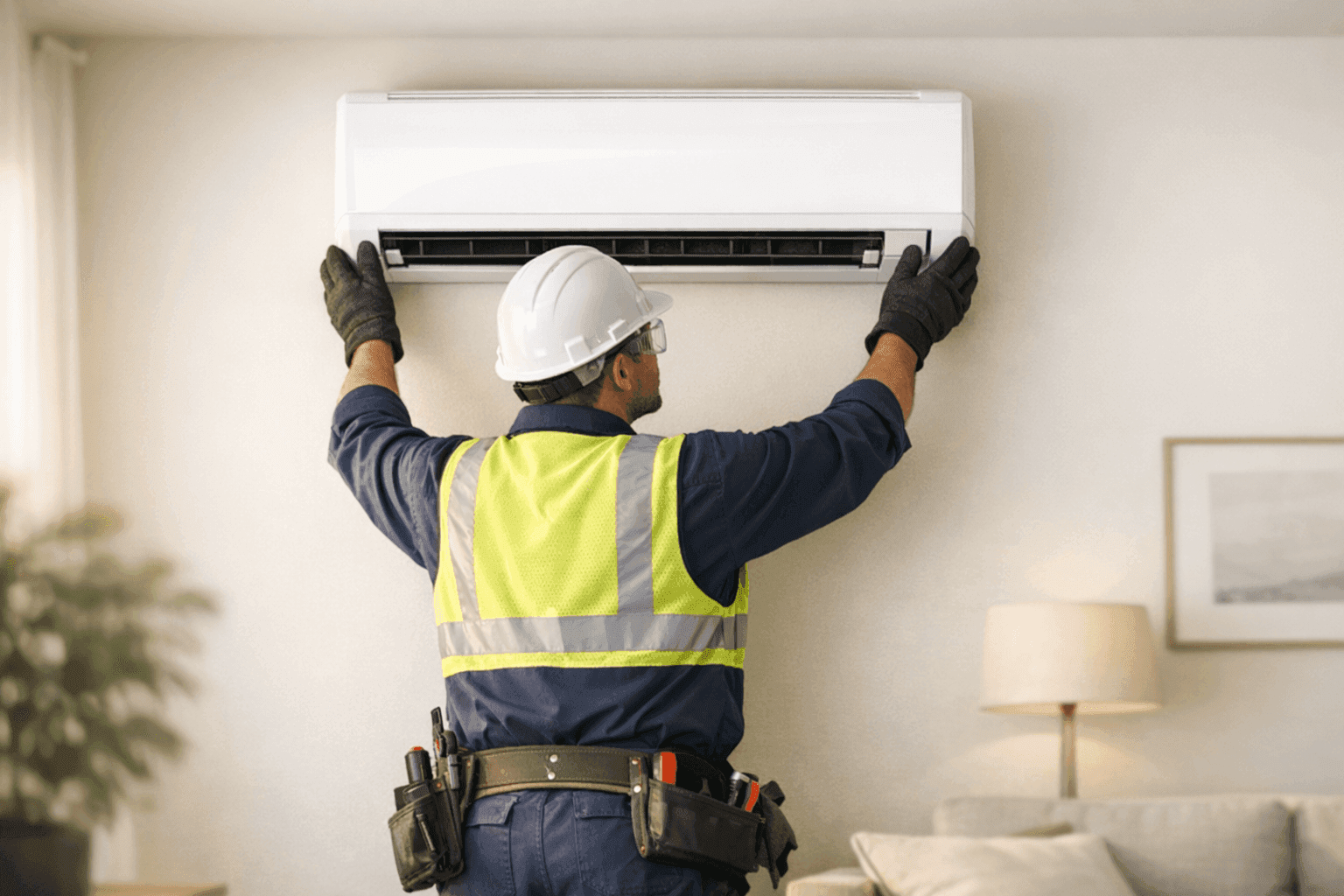
Is your home feeling stuffy, or are your energy bills creeping higher each summer? Maybe your office has a back room that’s always too hot or too cold. You’re not alone. At Right On AC, we meet homeowners and business owners every day searching for relief that actually makes sense—and lasts.
Mini-split systems are popping up everywhere for a reason. If you want flexible, quiet, and efficient cooling, these units deserve a closer look. Here’s what you need to know—without the jargon.
What is a Mini-Split System? ❄️
A mini-split is a cooling (and heating) system that doesn't need traditional ductwork. Think of it as a targeted breeze for the rooms that need it most, instead of blasting your whole house or business. These systems are split into two main pieces: one inside, one outside.
Components and Operation
- Outdoor Unit: Sits quietly outside, housing the compressor and condenser.
- Indoor Unit(s): Mounted on walls or ceilings inside the rooms you want cooled or heated.
- Refrigerant Lines: Connect the two, snaking through a small hole in your wall.
- Remote Controls: Let you dial in the perfect temperature from anywhere in the room.
When you turn your mini-split on, the indoor unit pulls in warm air, cools it using refrigerant (that magical stuff that absorbs heat), and sends it right back out—quick, efficient, and direct. No ducts, no wasted energy.
Advantages Over Traditional HVAC
Why are so many homeowners and businesses switching to mini-splits? The answer is in the details.
Zoning, Efficiency, Flexibility
- Zoning: Cool or heat just the rooms you use. Spare bedroom? Leave it off. Busy kitchen? Crank it up.
- Efficiency: No duct losses. Energy Star estimates that duct losses can account for more than 30% of energy consumption for space conditioning, especially if the ducts are in an unconditioned space like an attic.
- Flexibility: Apartments, historic homes, new additions—mini-splits can go almost anywhere. No major renovations needed.
When is a Mini-Split the Right Choice?
- Renovating an older home that can’t handle new ducts.
- Adding a sunroom, garage, or guest suite.
- Wanting independent temperature control for different family members or office spaces.
- Needing to supplement an existing HVAC system that doesn’t quite reach every corner.
Quick Safety Checklist
Before you buy or install, make sure:
- Electrical system can handle the load. Consult the National Electrical Code (NEC).
- Outdoor unit placement won’t block walkways or windows.
- Mounting surface inside is strong enough to support the indoor unit.
- Refrigerant lines are properly insulated to prevent condensation and leaks.
DIY vs. Call a Pro
Installing a mini-split isn’t like plugging in a fan. It’s more like performing minor surgery on your home’s cooling system. While some kits promise DIY installation, the reality is you’ll need:
- Electrical wiring and breaker panel work.
- Proper refrigerant handling (required by EPA Section 608).
- Safe drilling and mounting.
A professional ensures your system is safe, efficient, and up to code—saving you headaches down the line.
What Pros Do On Arrival
Right On AC technicians come prepared. First, we assess your space for the right system size. Too small and it won’t keep up; too big and it’ll cycle on and off, wasting energy. We check electrical capacity, advise on the best placement, and make sure all components are installed and sealed properly. Clean, quick, and code-compliant.
Prevention & Maintenance
Mini-splits are low-maintenance, but not no-maintenance. Here’s what helps them run smoothly:
- Clean or replace filters every month or two.
- Keep outdoor units clear of leaves and debris.
- Schedule annual professional tune-ups—trust us, it’s worth it.
Check the EPA’s guide on indoor air quality for more tips on keeping your system (and your air) fresh.
Costs & Time Factors
- Installation: Usually faster than full ducted systems—sometimes in just a day or two.
- Upfront Cost: Can be higher than window units, but lower than whole-home ducted systems.
- Long-Term Savings: Lower energy bills thanks to targeted cooling and less wasted energy.
When It’s an Emergency
If your mini-split stops cooling during a heatwave, that’s an emergency. Right On AC offers 24 hour emergency service, so you’re never left sweating it out. Look for signs like:
- Warm air blowing when you expect cold.
- Unusual noises or leaks.
- Complete shutdown.
Seasonal Considerations
Mini-splits work year-round, offering both cooling and heating in one package. In areas with extreme winters, check the manufacturer’s specs for low-temperature operation.
Common Mistakes
- Oversizing: Bigger isn’t better. An oversized unit wastes energy and doesn’t remove humidity well.
- Poor Placement: Mounting above a heat source (like a stove or electronics) makes the unit work harder.
- Ignoring Maintenance: Dirty filters and blocked outdoor units lead to poor performance.
Signs of Trouble
- Weak airflow
- Strange smells or noises
- Water dripping from the indoor unit
- Higher-than-usual utility bills
If you spot any of these, it’s time to call for service.
Timeline & Disruption
Most mini-split installations can be completed with minimal disruption, especially compared to ducted systems. Expect some drilling, but no major demolition. Furniture may need to be moved, and power may be off for a short time.
Materials & Equipment Needed
- Mini-split system (indoor and outdoor units)
- Mounting brackets and hardware
- Refrigerant line sets (sized for your system)
- Insulation for lines
- Electrical wiring and circuit breakers
Always follow the manufacturer’s installation instructions and reference local building codes.
Indoor Air Quality Benefits
Mini-splits can improve your indoor air quality, especially when paired with advanced filtration and dehumidification options. Many models offer built-in air purifiers and allergen filters, making them a strong choice for allergy sufferers. For more on indoor air quality, see the EPA’s recommendations and consider our IAQ Testing and Air Scrubbers.
Frequently Asked Questions
Do mini-splits require ductwork?
Nope. That’s the beauty of them.
How noisy are they?
Most indoor units are as quiet as a gentle whisper—much less than window ACs.
Can they be used in commercial spaces?
Absolutely. Offices, salons, shops—mini-splits are a smart fit.
Final Thoughts: Is a Mini-Split Right for You?
Mini-splits offer tailored cooling, energy savings, and cleaner air. Still, they aren’t perfect for everyone. Consider your space, budget, and comfort needs. If you’re local to Kentwood, you can read more about our Mini-Splits on our cooling company page.
Ready to upgrade your comfort—without the ducts?
Call Right On AC now — or reach us anytime at 888-836-1269 .