How Often Should Commercial HVAC Systems Be Serviced?
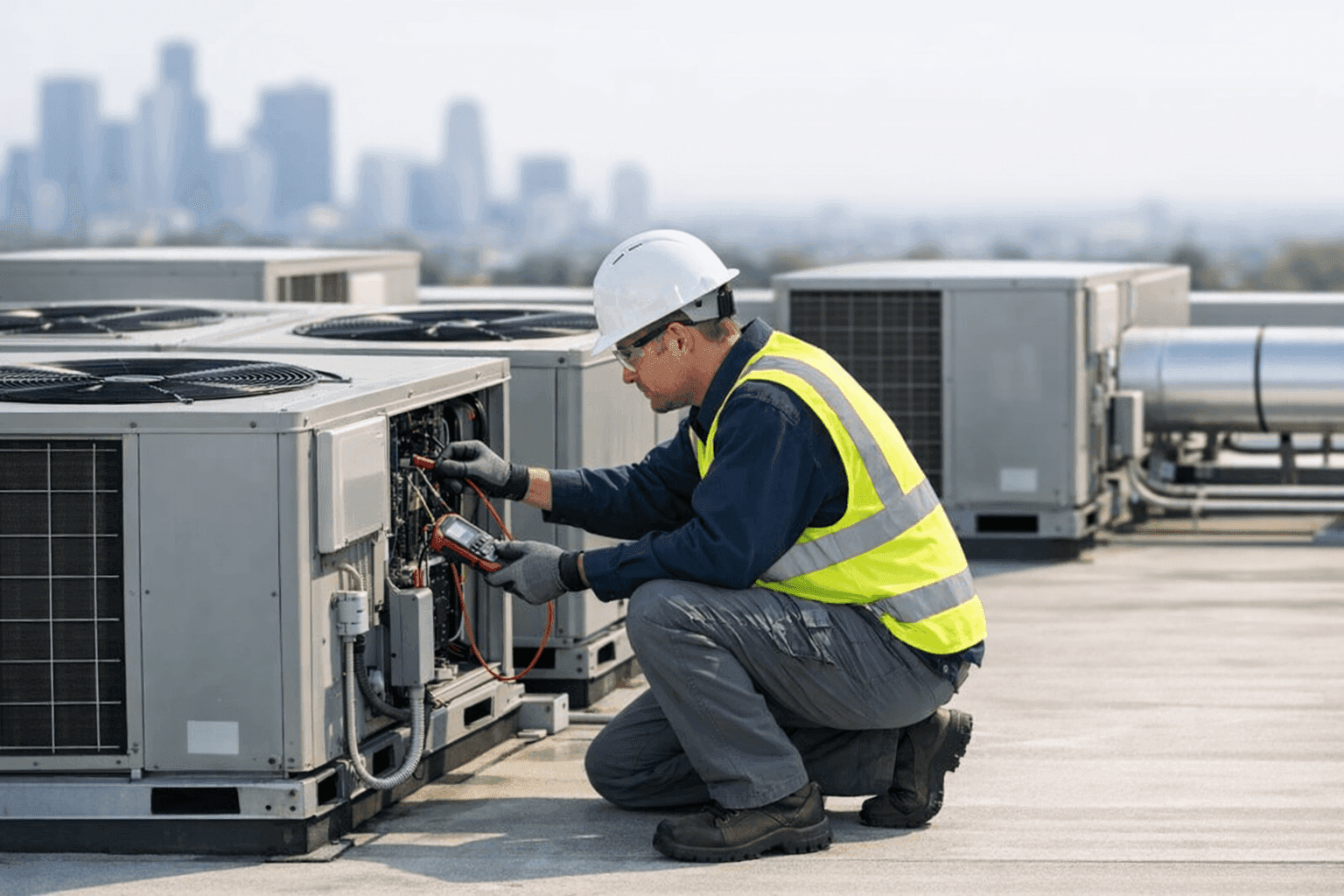
A building’s HVAC system is like the beating heart of your business. When it’s healthy, everything runs smoothly. When it skips a beat, comfort and productivity drop—fast. If you’ve ever wondered how often your commercial HVAC should be serviced, you’re not alone. The answer isn’t always simple, but it can make a world of difference in energy costs, air quality, and peace of mind.
At Right On AC, we’ve seen time and again that regular maintenance is the secret weapon for protecting both your equipment and your budget. Let’s break down what you need to know.
Commercial vs. Residential HVAC Needs 🏢
Residential HVAC systems are like small sedans—reliable, compact, and designed for daily family use. Commercial systems, on the other hand, are heavy-duty trucks. They run longer, work harder, and support much bigger loads.
Key differences:
- Commercial units operate for longer hours and in larger spaces.
- They handle more people, more equipment, and more variables.
- Repairs and downtime cost more—both in money and reputation.
Because of these factors, commercial HVAC maintenance must be more frequent and thorough than what’s typical for homes. Neglecting this fact is like skipping oil changes on a delivery truck; eventually, something critical will break down.
Service Frequency and Checklists
So, how often should you call for service? The answer depends on your business type, system age, and usage, but there are some solid guidelines recognized by ASHRAE and the U.S. Department of Energy.
Typical recommendations:
- Quarterly inspections: For most commercial spaces, schedule a professional check every three months.
- Monthly checks: Filters and thermostat settings—these are easy for your team to monitor.
- Annual deep cleaning: This includes duct cleaning, air balancing, and indoor air quality (IAQ) testing.
A right-on checklist might include:
- Inspecting and changing filters
- Checking refrigerant levels and lines
- Testing electrical connections
- Cleaning coils and drain pans
- Verifying airflow and ventilation
- Inspecting controls and safety devices
- Checking for unusual noise or vibration
If you have specialized equipment—like a server room, commercial kitchen, or generator installation near you—service may need to be even more frequent.
Risks of Skipping Maintenance
Skipping maintenance is like ignoring the warning lights on your dashboard. It might save you time now, but here’s what you’re gambling with:
- Higher energy bills: Dirty filters and coils force your system to work harder.
- Shorter equipment life: Small problems turn into major breakdowns.
- Health risks: Poor IAQ can trigger allergies and spread illness.
- Code violations: Commercial buildings must meet strict safety and ventilation codes.
- Business disruption: Emergency repairs often mean downtime, lost sales, and unhappy tenants or staff.
According to the Occupational Safety and Health Administration (OSHA), maintaining HVAC systems is critical for workplace safety and compliance.
Choosing a Maintenance Partner
Who should you trust with your HVAC maintenance? Not all service providers are created equal. Look for teams that understand commercial cooling, offer 24-hour emergency service, and back up their work with solid references and transparent communication.
Checklist for choosing:
- Are technicians certified and trained for commercial systems?
- Do they offer comprehensive services—maintenance, repair, IAQ, and more?
- Is there a clear schedule and record-keeping process?
- Can they respond quickly if you need AC repair or generator maintenance?
A reliable partner does more than change filters—they help you plan, budget, and optimize comfort year-round.
Quick Safety Checklist
Before any service call, make sure your maintenance partner follows these basic steps:
- Shut down equipment safely before inspections
- Use lockout/tagout procedures
- Wear PPE (personal protective equipment)
- Check for gas leaks and electrical hazards
Following these practices aligns with OSHA guidelines and keeps everyone safe.
DIY vs. Call a Pro
There are a few things your team can handle in-house:
- Changing filters monthly
- Checking thermostat settings
- Reporting odd noises or smells quickly
But when it comes to refrigerant, electrical work, or ventilation, call in a pro. Commercial HVAC systems are complex, and mistakes can be costly—or dangerous.
What Pros Do On Arrival
When Right On AC arrives, expect a methodical, step-by-step inspection:
- Diagnostic tests on all major components
- Deep cleaning of coils and key parts
- Airflow and pressure measurements
- Detailed report with recommendations
This process helps catch small issues before they snowball into emergencies.
Prevention & Maintenance: The Smart Investment
Think of maintenance like a regular health checkup. It’s far less expensive—and less stressful—than a major surgery down the road. Consistent care can extend the life of your HVAC equipment by years, improve IAQ, and even support your business’s sustainability goals by lowering energy use.
Costs & Time Factors
How much does maintenance cost? It depends on your system size, age, and configuration. But skipping it is always more expensive in the long run. A planned visit is quick—often less than half a day—while emergency repairs can cause days of disruption.
When It’s an Emergency
Not every problem can wait. If you notice these signs, call for emergency service right away:
- No cooling or heating
- Strange smells (burning, musty, or chemical)
- Water leaking from vents or units
- Sudden loud noises
Fast action protects your building and your reputation.
FAQ: Common Commercial HVAC Questions
How do I know if my building needs more frequent service?
If occupancy is high, or you have sensitive equipment (like data centers), consider monthly professional visits.
What about air quality?
Regular IAQ testing and air scrubber maintenance help protect against pollutants and allergens.
Can I bundle other services (like dehumidifiers or duct cleaning)?
Yes, many business owners schedule these together to minimize disruptions.
Seasonal Considerations
Season changes are tough on HVAC systems. Schedule maintenance before peak seasons—spring for cooling, fall for heating. This helps prevent breakdowns during the hottest or coldest days.
Common Mistakes to Avoid
- Ignoring small warning signs
- Skipping routine checks after renovations
- Forgetting to replace filters on schedule
A little attention goes a long way.
Signs of Trouble
Watch for:
- Hot or cold spots in the building
- Unusual increases in energy bills
- Complaints about air quality or comfort
These are early warnings—don’t ignore them.
Timeline & Disruption
Proper service is designed to minimize business interruptions. With a clear plan, most work is done after hours or during low-traffic times. Ask your provider to explain the timeline so you’re prepared.
Materials & Equipment
Make sure your HVAC team uses high-quality parts and follows manufacturer recommendations. This protects your warranty and system efficiency.
Where to Get Help
Whether you need routine HVAC Maintenance, urgent HVAC Repair, or advice on indoor air quality, Right On AC is ready to help. If you’re looking for trusted cooling specialists, we also provide cooling services in your area—see more about our cooling company in Lincoln.
Your commercial HVAC system is a vital investment. With the right service schedule, you can keep your building comfortable, safe, and efficient all year long.
Call Right On AC now — or reach us anytime at 888-836-1269 .