How Often Should You Schedule HVAC Maintenance?
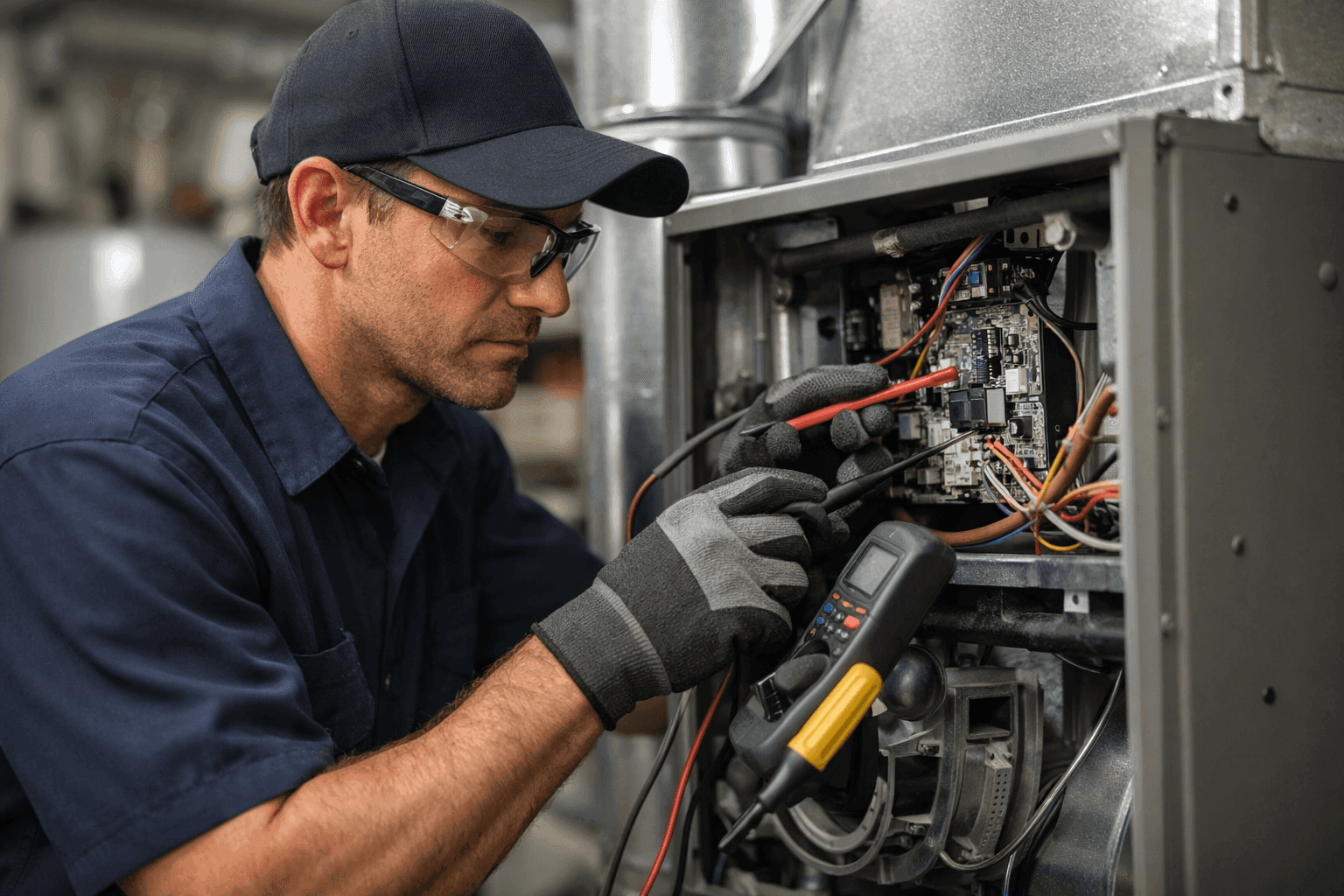
Is your home or business feeling a little stuffy, or never quite the right temperature? It’s not just about comfort—it’s about protecting your investment and your health. At Right On AC, we know what it takes to keep your cooling system and indoor air quality at their best. But how often should you schedule HVAC maintenance? That’s the million-dollar question.
Let’s break it down with straight talk, practical advice, and a few golden rules that will keep your system humming all year long.
Recommended Maintenance Frequency 🛠️
There’s no one-size-fits-all answer. The right schedule depends on how you use your space, what kind of system you have, and the quirks of your climate. But the basics? Most experts—including the U.S. Department of Energy—agree: Twice a year is ideal for most HVAC systems.
Residential vs. Commercial Schedules
- For homes: Plan for HVAC maintenance every spring and fall. Think of it like changing the batteries in your smoke detector—regular, reliable, and non-negotiable.
- For businesses: Commercial systems work harder and serve more people. That means quarterly maintenance is the industry gold standard. Some high-traffic buildings or restaurants may need even more frequent checkups.
Why the difference? Commercial cooling systems often run longer hours and handle bigger loads. Ignoring them is like letting weeds grow in a busy parking lot—they’ll take over fast.
Seasonal Considerations (spring/fall)
Spring and fall aren’t just pretty—they’re the sweet spots for HVAC service. Here’s why:
- Spring: Tune up your AC before hot weather hits. Clean coils, fresh filters, and professional calibration mean you’re ready when summer scorches.
- Fall: Furnace or heat pump checkups prep your system for the cold. It’s also the best time to catch worn parts or leaks before they become winter headaches.
If you run heating and cooling year-round, consider extra mid-winter or midsummer check-ins. Just like you wouldn’t skip an oil change before a cross-country trip, don’t skip maintenance before peak seasons.
Benefits of Regular Maintenance
The real question isn’t “how often.” It’s “why bother?” Here’s why regular HVAC maintenance is worth your time and money.
- Longer System Life: Well-maintained systems last years longer than neglected ones.
- Lower Bills: Clean coils and calibrated thermostats mean your system doesn’t waste energy.
- Better Air Quality: Regular filter changes and duct cleaning help you breathe easier.
- Fewer Breakdowns: Spotting small problems early prevents big, expensive repairs down the road.
- Consistent Comfort: No hot or cold spots—just steady, even cooling or heating.
Skipping maintenance is like skipping dentist appointments. You might get away with it…until you don’t.
What Technicians Check During Service
Ever wondered what happens during a professional HVAC tune-up? Here’s a sneak peek at the Right On AC checklist:
- Inspect and replace filters (the lungs of your system)
- Test thermostat calibration for pinpoint control
- Check electrical connections for safety and performance
- Clean condenser and evaporator coils to maximize efficiency
- Test system controls (start, run, shutoff)
- Lubricate moving parts to reduce wear and tear
- Inspect ductwork for leaks, dust, or blockages
- Measure refrigerant levels (for cooling systems)
- Check safety switches and carbon monoxide detectors (especially for gas units)
- Evaluate overall system airflow and balance
These steps aren’t just a best-practice—they’re recommended by authorities like ASHRAE (the American Society of Heating, Refrigerating and Air-Conditioning Engineers) and the EPA.
Why Skipping Maintenance Is Risky
Letting HVAC maintenance slide is a gamble. Here’s what’s at stake:
- Higher energy costs: Dirty filters and clogged coils force your system to work harder, burning more electricity or fuel.
- Unexpected breakdowns: Small issues—like a frayed belt or a loose wire—can turn into major repairs.
- Poor indoor air quality: Dust, pollen, and even mold can build up in dirty systems, affecting your health.
- Shortened equipment lifespan: Just like a car without oil changes, your HVAC won’t last as long.
Quick Safety Checklist
Before you schedule, do a quick sweep:
- Are filters dirty or overdue for replacement?
- Are vents blocked by furniture or dust?
- Do you hear new noises—rattles, bangs, or grinding?
- Is there an odd smell coming from your vents?
- Have your energy bills spiked unexpectedly?
If you checked “yes” to any of these, move maintenance to the top of your list.
DIY vs. Call a Pro
Some tasks are safe for homeowners or facility managers:
- Changing filters monthly or as recommended
- Keeping outdoor units clear of leaves and debris
- Making sure vents are open and unobstructed
But for the big stuff—like refrigerant checks, coil cleaning, or electrical inspections—call a licensed technician. HVAC pros have the tools and training to spot hidden problems and keep your system safe.
What Pros Do On Arrival
When Right On AC arrives, we don’t just look—we listen. We ask about recent issues, comfort levels, and any changes you’ve noticed. Then we get to work with a detailed inspection, using diagnostics and years of experience to spot trouble before it starts.
Prevention & Maintenance Tips
- Schedule maintenance twice a year for most homes, quarterly for businesses.
- Replace filters at least every 1–3 months, more often if you have pets or allergies.
- Keep outdoor units clear—no weeds, leaves, or debris.
- Ask about indoor air quality upgrades like air scrubbers or dehumidifiers.
- Request a home energy audit to spot hidden inefficiencies.
Costs & Time Factors
A typical maintenance visit for your cooling system takes 1–2 hours. Pricing depends on your system and any extra services, like duct cleaning or IAQ testing. Investing in regular maintenance means fewer surprise expenses and helps you budget for the future.
When It’s an Emergency
If your system suddenly stops, blows warm air, or you smell burning or gas—call for 24 hour emergency service right away. Don’t wait. Fast action can prevent bigger damage and keep your space safe.
Common Mistakes to Avoid
- Waiting for a breakdown: Don’t let repair become your “maintenance plan.”
- Ignoring airflow issues: Uneven rooms often point to duct or balance problems.
- Skipping filter changes: It’s easy to forget, but it makes a huge difference.
- DIY refrigerant handling: Leave this to certified technicians for safety and compliance.
Signs of Trouble
- Sudden spike in energy bills
- Strange noises or smells
- Weak airflow
- Hot or cold spots in your home
- System cycling on and off too quickly
If you notice any of these, it’s a sign your system needs attention—fast.
Timeline & Disruption
Worried about disruption? Most maintenance visits are quick and tidy. We work around your schedule—often in under two hours. For businesses, we can arrange after-hours visits to minimize downtime.
Materials and Equipment Used
Right On AC uses industry-approved materials, from high-efficiency filters to EPA-certified refrigerants. All work follows local building and safety codes, and we recommend upgrades only when they make sense for your comfort and budget.
Scheduling Made Simple
Set reminders on your calendar for spring and fall—or let us handle it with a standing maintenance agreement. Need other services, like Generator Installation or help with Ventallation? We can take care of it all in one visit.
Your Next Steps
Ready to lock in comfort, savings, and peace of mind? Whether you’re looking for regular HVAC Maintenance, AC tune-ups, or a full system inspection, Right On AC is here for you—day or night.
Call Right On AC now — or reach us anytime at 888-836-1269 .