How to Choose the Best AC Filter for Your Needs
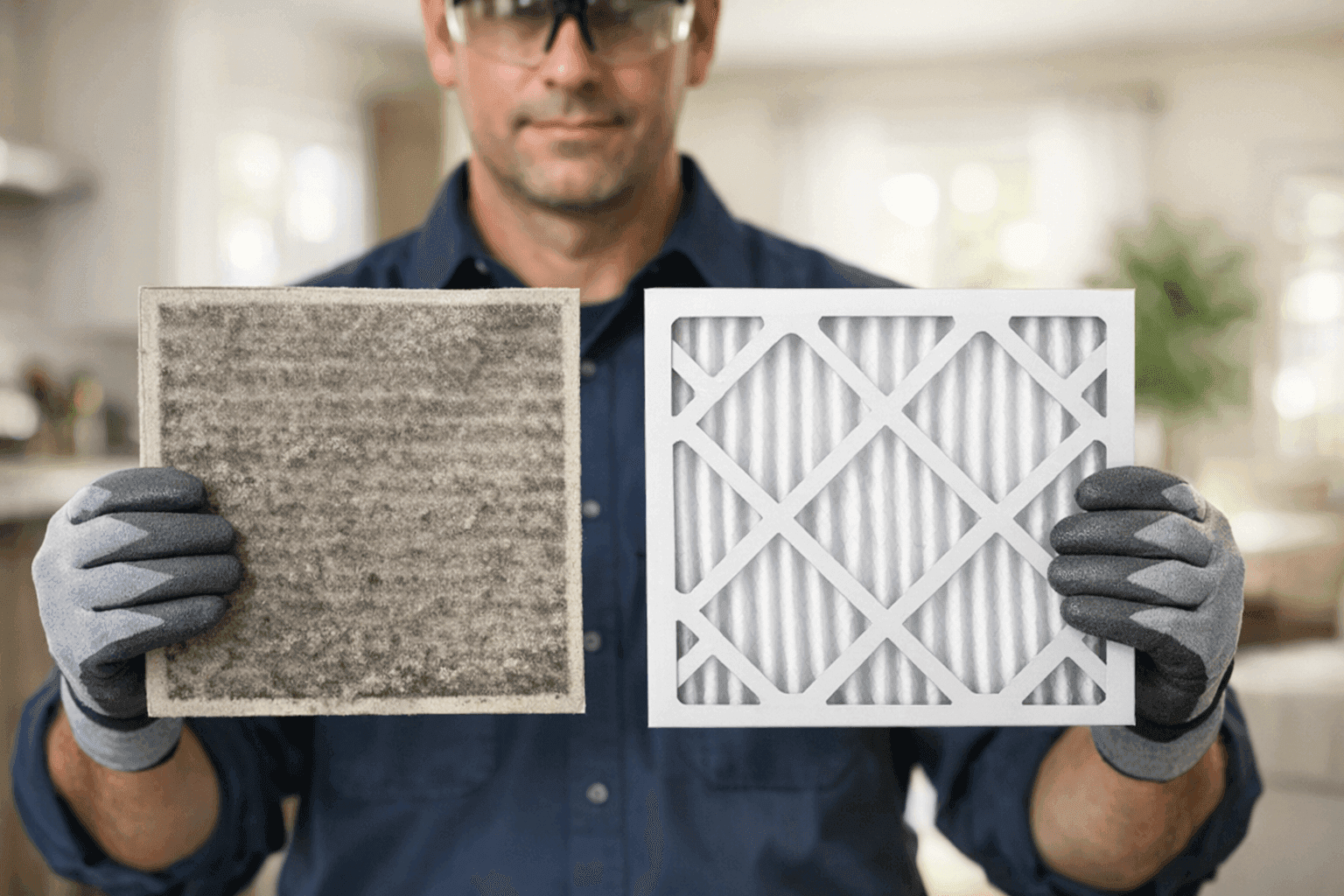
Every breath should feel fresh and easy. But when your cooling system’s filter isn’t right, you notice it: dust, sniffles, and a system that works too hard. At Right On AC, we know most folks don’t think about their filter until it’s too late—until the air feels heavy or the cooling bill climbs.
Choosing the best AC filter seems simple. Yet, with so many types and ratings, the decision can feel like picking the right pair of shoes for an unexpected hike. Let’s make sense of it, so you can breathe easier and keep your system running right.
Types of AC Filters 🏷️
Not all filters are created equal. Some are the paper towels of the HVAC world—cheap and disposable. Others are more like reusable water bottles, built to last but needing some care. Here’s a quick run-through of the main types you’ll find for residential and commercial cooling systems.
Fiberglass Filters
These are the basic, flat filters you’ll spot at any hardware store. Made from spun glass fibers, they’re inexpensive and easy to replace. But they catch only the big stuff: dust, lint, and pet hair. Good for protecting your system, not so much for your lungs.
- Pros: Cheap, widely available, easy to change.
- Cons: Low filtration; lets most small particles through.
Pleated Filters
Think of these as fiberglass filters with a few extra laps. The pleated design gives more surface area, trapping smaller particles like mold spores and pollen.
- Pros: Better filtration, lasts longer than fiberglass.
- Cons: Slightly more expensive, may need to check airflow compatibility.
HEPA Filters
HEPA stands for High-Efficiency Particulate Air. These are the superstar filters—catching up to 99.97% of particles down to 0.3 microns. Hospitals use them. Allergy sufferers love them. But not every cooling system can handle a HEPA filter without modifications.
- Pros: Top-tier filtration, great for sensitive lungs.
- Cons: Can restrict airflow if your system isn’t designed for them; pricier.
Washable Filters
These reusable options cut down on waste. You clean them, dry them, and put them back in. Handy for the eco-minded, but you’ll need to stay on top of maintenance.
- Pros: Eco-friendly, cost-effective over time.
- Cons: Can grow mold if not dried properly; may not filter as finely as pleated or HEPA options.
What MERV Ratings Mean 📊
Ever see a filter labeled “MERV 8” or “MERV 13”? That’s not a secret code—it’s the Minimum Efficiency Reporting Value. The higher the MERV, the finer the particles the filter can catch.
- MERV 1-4: Basic. Traps big stuff like dust bunnies.
- MERV 5-8: Picks up mold spores, pet dander, and some pollen.
- MERV 9-12: Gets into finer stuff—auto emissions, even some bacteria.
- MERV 13-16: Hospital-grade. Good for severe allergies, but can slow airflow in some cooling systems.
ASHRAE (the American Society of Heating, Refrigerating and Air-Conditioning Engineers) recommends at least MERV 8 for most homes. For businesses or health-sensitive spaces, go higher—if your system can handle it.
Matching the Filter to Your Needs
One size does not fit all. Your needs depend on your building, your air, and your priorities.
- Families with allergies: Aim for MERV 11 or higher, or a HEPA filter if your system allows.
- Pet owners: Pleated filters catch more dander and hair.
- Old homes or commercial buildings: You might need extra filtration for dust or pollutants.
- Want less maintenance? Washable filters can save trips to the store, but only if you’re diligent.
If you’re unsure, our filters service can help you match the right filter to your unit and space.
Why Filter Choice Matters
A poor filter is like a screen door in a submarine. It won’t keep what you want out—and your system works harder to do its job. That means:
- Higher energy bills: Clogged or inefficient filters make your cooling system push harder.
- Shorter equipment life: Strain from bad airflow wears down parts faster.
- Worse air quality: Pollen, dust, and even viruses can slip through.
The CDC and EPA both recommend checking and replacing filters regularly—especially if you live in high-pollen or urban areas.
DIY vs. Call a Pro
Swapping a filter can be as easy as changing a lightbulb. But picking the right filter, or upgrading to a HEPA system, is a different ballgame.
- DIY: For standard filter changes, most homeowners or business managers can handle it. Just make sure you’re using the right size and type.
- Call the pros: If you’re unsure about airflow, have a unique system, or want to improve indoor air quality, a technician can guide you.
Quick Safety Checklist
Before you replace a filter:
- Shut off your cooling system.
- Check the filter size—printed on the frame.
- Inspect for mold or unusual debris.
- Wear gloves if you’re sensitive to dust.
Improper installation can cause gaps, letting unfiltered air bypass the filter.
Common Mistakes to Avoid
- Forgetting to replace: Set a reminder—every 1-3 months is standard, but check manufacturer’s instructions.
- Choosing the wrong MERV: Too high can choke your system; too low lets particles through.
- Not checking fit: A filter that’s too small or loose is like an umbrella full of holes.
- Ignoring signs of trouble: If your system seems sluggish or the air feels stuffy, check the filter.
Signs It’s Time for a New Filter
Don’t wait for a system breakdown. Watch for:
- More dust on surfaces.
- Allergies flaring up inside.
- Odd cooling noises or weak airflow.
- Higher energy bills.
Seasonal Considerations
Spring pollen, summer humidity, fall mold, winter dust—each season brings its own challenges. Check your filter more often during heavy-use months or allergy seasons.
Prevention & Maintenance Tips
- Set calendar reminders for filter changes.
- Choose higher MERV during allergy or wildfire season if your system allows.
- Schedule regular AC maintenance to keep things running smooth.
- Consider whole-house fans or dehumidifiers for added comfort and air quality.
What to Expect When a Technician Arrives
- Inspection of your system and current filter.
- Measurement of airflow and fit.
- Recommendations based on your air quality needs and building use.
- Safe installation and disposal of old filters.
Costs & Time Factors
- Fiberglass: Lowest cost, replaced monthly.
- Pleated: Moderate, lasts 2-3 months.
- HEPA: Higher upfront, longer lifespan, but may require system modifications.
- Washable: Higher initial cost, but reusable for years if cared for.
A good filter is an investment in your comfort, health, and system longevity.
When It’s an Emergency
If your air seems suddenly dusty, your cooling system is overheating, or you smell mold, don’t wait. A clogged filter can cause breakdowns, water damage, or even electrical hazards—especially during peak cooling season.
Our 24 hour emergency service is always available if things go south.
Frequently Asked Questions
How often should I change my filter?
Most need changing every 1-3 months, but homes with pets or businesses with high traffic may need more frequent swaps.
Will a better filter lower my energy bill?
If your current filter is clogged, absolutely. But too high a MERV for your system can hurt efficiency.
Can I upgrade to a HEPA filter?
Sometimes. It depends on your system’s design. Ask a professional before making the switch.
Final Thoughts: Breathing Easy Starts with the Right Filter
An AC filter might look simple, but it’s the gatekeeper for clean, comfortable air and a happy cooling system. Whether you’re running a busy office or trying to keep your family sneeze-free, picking the right filter matters.
If you’re not sure where to start, or want to talk to a cooling company that knows the ins and outs of AC filters, we’re here to help. We serve homes and businesses across the region—including those looking for Indoor Air Quality solutions.
Call Right On AC now — or reach us anytime at 888-836-1269 .