How to Choose the Right Air Purifier for Your Home
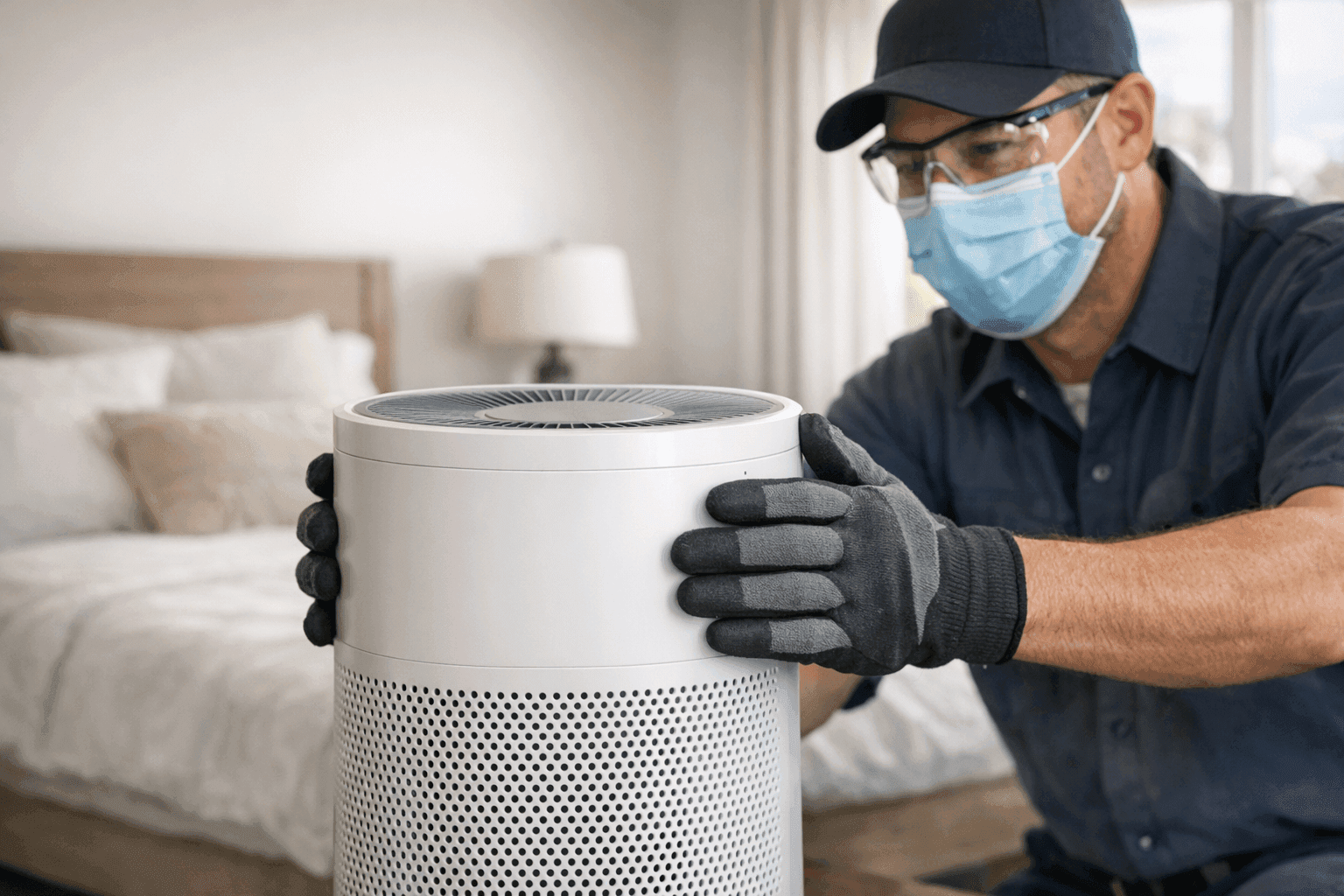
Breathing clean air feels like walking into a fresh mountain morning—calm, crisp, and energizing. But in today’s tightly sealed homes and busy offices, indoor air can get stuffy fast. Dust, pollen, pet dander, and even invisible viruses can build up, making every breath a gamble.
At Right On AC, we’ve seen firsthand how the right air purifier can transform comfort and health. If you’re ready to make your air as fresh as your morning coffee, read on.
Why Use an Air Purifier? 🏠
Imagine your living room as a pond. Over time, leaves, bugs, and debris drift in, clouding the water. An air purifier is like a gentle stream, constantly sweeping away what doesn’t belong.
Common reasons to consider an air purifier:
- Allergies or asthma triggers (dust mites, pollen, pet dander)
- Lingering odors from cooking or pets
- Smoke or wildfire pollution
- Worry over viruses and bacteria in the air
- Construction or renovation dust
The U.S. Environmental Protection Agency (EPA) warns that indoor air can be up to five times more polluted than outdoor air. That’s a big number—and a big reason to take action. Purifiers can help, but only if you pick the right one.
Types of Air Purifiers
Choosing an air purifier isn’t one-size-fits-all. It’s more like picking the right tool for a job.
HEPA Filters
These are the heavy lifters. High-Efficiency Particulate Air (HEPA) filters trap 99.97% of particles as small as 0.3 microns—think pollen, pet dander, and even some bacteria. They’re the gold standard for allergy relief.
Activated Carbon Filters
Got odors? Carbon filters work like sponges, soaking up smells and volatile organic compounds (VOCs) that float off paints, cleaners, and furniture.
UV-C Light
For the germ-conscious, UV-C purifiers use ultraviolet light to zap bacteria and viruses. The CDC notes these can be effective, but they’re best paired with a strong filter.
Ionic Purifiers
These use an electric charge to attract particles. They’re quiet and low-maintenance, but some models create ozone—a lung irritant. Always check for ozone-free certification.
Hybrid Systems
Many modern systems combine HEPA, carbon, and UV-C or ionic tech for broad coverage. It’s like having a Swiss Army knife for your air.
Sizing and Placement: Where Power Meets Practicality 📐
Buying the biggest purifier isn’t always better. It’s like using a fire hose to water a houseplant.
Measure Your Space
Every purifier lists a recommended room size, usually in square feet. Measure your room’s length and width, multiply, and match that number. For open floor plans, consider multiple units or a whole-home system.
For reference:
- Bedrooms: 100–300 sq. ft.
- Living rooms: 300–600 sq. ft.
- Offices: 200–400 sq. ft.
Clean Air Delivery Rate (CADR)
CADR is like a speedometer for purifiers—it tells you how quickly the unit cleans the air. The higher the CADR, the faster it removes smoke, pollen, and dust.
Placement Tips
- Set the purifier near the source of pollution or in the room where you spend the most time.
- Avoid corners or places blocked by furniture.
- Keep doors and windows closed for best results.
Maintenance and Upkeep: Keeping the Engine Running 🔧
A purifier is only as good as its filter. Picture trying to drink through a straw filled with mud—not much gets through.
Regular Filter Changes
- HEPA filters: Change every 6–12 months (check your model)
- Carbon filters: Replace every 3–6 months
- Pre-filters: Wash or replace monthly, if included
Units with filter-change indicators take out the guesswork, but always check your manual.
Clean the Housing
Dust or vacuum around air inlets and outlets to keep airflow strong. Unplug before cleaning, and never use water unless the instructions say it’s safe.
Professional Help
If you notice strange noises, smells, or poor performance, it may be time for a check-up. Right On AC offers indoor air quality and filters services to support your system.
Quick Safety Checklist
- Only use units with UL or ETL safety certifications
- Never block air vents or place purifiers near wet areas
- Keep away from hot surfaces and direct sunlight
- Use grounded outlets, especially for larger units
If you’re considering a whole-house purifier, consult a licensed cooling contractor for proper installation.
DIY vs. Call a Pro
Plug-in purifiers are simple: unbox, place, and plug in. But for built-in systems (think central HVAC upgrades), it’s best to hire a pro. A licensed HVAC technician will make sure your system meets local codes and works safely alongside your existing cooling or heating.
For specialized installations—like pairing a purifier with dehumidifiers, smart thermostats, or whole-house fans—professional know-how pays off.
What Pros Do On Arrival
When you call Right On AC, here’s what to expect:
- Evaluate your space and air quality concerns
- Measure and recommend the right purifier size and type
- Explain filter options and maintenance schedules
- Install and test for safe, efficient operation
We follow guidelines from the EPA, ASHRAE (American Society of Heating, Refrigerating and Air-Conditioning Engineers), and local codes to ensure your system is safe and effective.
Prevention & Maintenance Tips
- Vacuum carpets and dust surfaces weekly to reduce what your purifier catches.
- Change HVAC filters on schedule—these are your first line of defense.
- Schedule annual Indoor Air Quality for whole-house air quality, including ventilation and duct cleaning.
Costs & Time Factors
Portable purifiers range from $100 to $600. Whole-house installations can run $1,000–$5,000, depending on home size and features. Filter replacements are an ongoing cost—budget $30–$100 per year.
Installation for plug-in models takes minutes. Whole-home systems may require a few hours to a full day.
When It’s an Emergency
Smoke from wildfires, chemical spills, or sudden illness can make fast action critical. If indoor air feels heavy, smells odd, or triggers coughing and headaches, ventilate the space and use your purifier on high. For health emergencies, always contact a medical professional.
Seasonal Considerations
Spring pollen? Summer wildfire smoke? Wintertime stuffiness? Air purifiers help year-round, but you may need to adjust filter changes and run times as seasons shift.
- Spring: Run purifiers during peak pollen hours.
- Summer: Keep units running if you use AC with closed windows.
- Fall/Winter: Watch for increased dust and pet dander.
Common Mistakes
- Using the wrong size purifier
- Forgetting to change filters
- Placing units behind furniture or curtains
- Ignoring manufacturer instructions
- Skipping annual HVAC maintenance
Avoid these, and you’ll breathe easier.
Signs of Trouble
- Weak airflow or odd noises from the unit
- Persistent odors or dust buildup in your home
- Allergy/asthma symptoms not improving
- Filter change light comes on—don’t ignore it!
Timeline & Disruption
Most portable purifiers arrive ready to use. Expect “new appliance smell” for a few hours, then peace and quiet. Whole-house systems may require a short power shutoff or access to ductwork, but Right On AC works quickly to minimize hassle.
Materials & Equipment Needed
- Measuring tape (for room size)
- Correct replacement filters (HEPA, carbon, etc.)
- Vacuum or soft cloth for cleaning
- User manual
For integrated systems, professional tools and expertise are required.
FAQ: Air Purifiers
Do I need more than one purifier?
If your home has several floors or closed-off rooms, yes. Otherwise, one unit per main living space is usually enough.
Are air purifiers noisy?
Most are as quiet as a soft fan. Some have night modes for bedrooms.
Can I use a purifier with open windows?
You can, but efficiency drops. Pollutants come in as fast as they’re filtered out.
Do they help with viruses?
HEPA and UV-C units can reduce airborne viruses, but no purifier replaces good hygiene and ventilation. The CDC recommends using multiple strategies for best results.
Ready for Healthier Air?
Choosing the right air purifier is like picking the perfect pair of shoes—it needs to fit your space, lifestyle, and needs. If you’re in the area and want help from true cooling specialists, Right On AC is here to help.
Call Right On AC now — or reach us anytime at 888-836-1269 .