How to Clean and Maintain Your AC Drain Line
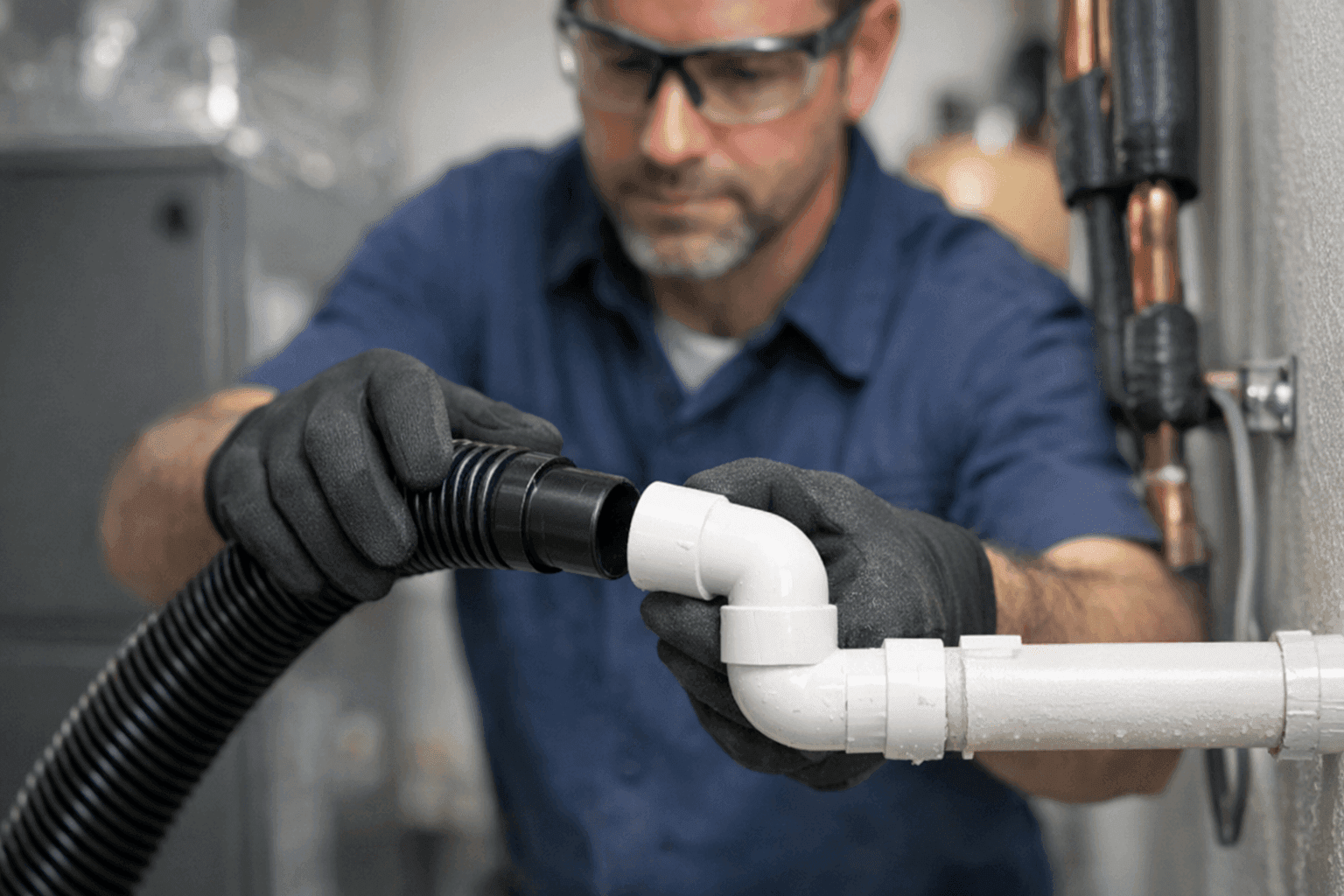
When your cooling system is working, nobody thinks about the drain line. But when water starts pooling or you smell musty odors, you notice—fast. At Right On AC, we see this all the time in homes and businesses: a little neglect becomes a big headache.
Let’s break down why keeping your AC drain line clean is so important, and how you can keep things running smooth without breaking a sweat.
Why Drain Line Cleaning Matters 🧰
Think of your AC drain line as the gutter for your cooling system. Its only job? Carry away all that condensation your air conditioner pulls from the air. If it clogs, water backs up—sometimes flooding your floors, walls, or ceiling.
A clogged drain line can cause:
- Water damage and mold growth
- Reduced air quality and musty odors
- AC shutdowns or expensive repairs
According to the National Air Duct Cleaners Association (NADCA), regular maintenance of all cooling components, especially drain lines, is key to preventing costly downtime and indoor air problems.
Quick Safety Checklist Before You Start
Before you touch anything, safety first. Here’s a checklist to keep you dry and protected:
- Always turn off your AC unit at the breaker and thermostat.
- Wear gloves and eye protection—mold and bacteria love damp places.
- Keep towels and a bucket nearby for spills.
- Have a flashlight handy to see deep inside tight spots.
If you’re ever unsure, don’t risk it. Water near electrical parts is never a good mix.
How to Clean Your Drain Line: Step-by-Step
Cleaning your AC drain line isn’t magic—just basic care. Here’s what you’ll need: a wet/dry vacuum, distilled vinegar, and sturdy tubing or a funnel.
-
Locate the drain line
Typically, it’s a white PVC pipe near your outdoor condenser or inside by your air handler. -
Remove the cap
Most drain lines have a small cap at the top. Pop it off. -
Flush with vinegar
Pour about a cup of distilled vinegar down the line. It breaks up algae and slime. -
Wait 30 minutes
Let the vinegar do its work. -
Clear with vacuum
Place your wet/dry vacuum at the end of the drain line outside. Run it for 1–2 minutes. -
Check for flow
Pour a little water down the line. If it drains fast, you’re clear. -
Replace the cap and turn the system back on
Do this every 2–3 months in peak cooling season. If you have pets, lots of dust, or live in a humid area, monthly is better.
Signs of Drain Line Clogs 🚨
How do you know if something’s wrong? Watch for these red flags:
- Water pooling near your indoor unit
- Dripping or visible rust on the AC pan
- Musty or sour smells from your vents
- AC shutting off suddenly or not cooling well
If you spot any of these, it’s time for quick action.
Common Mistakes to Avoid
Even careful homeowners slip up. The biggest mistakes we see:
- Using harsh chemicals (can damage pipes and hurt pets)
- Shoving wires or sticks down the line (can break fittings)
- Forgetting to turn off power before work (dangerous!)
- Skipping routine checks until it’s too late
Gentle regular care always beats a last-minute scramble.
When to Call a Pro
If you’ve cleaned the line and water still won’t drain, or you see mold, call in a pro. Some blockages are deep inside the system, and clearing them without special tools can cause major damage.
Also, if your AC keeps tripping the float switch or you notice water stains on ceilings and walls, don’t wait. These are signs of problems that need immediate attention.
What Pros Do on Arrival
When you call Right On AC, our team inspects the entire drain system, not just the clog. We use:
- Specialized vacuums
- Camera scopes for deep inspection
- EPA-recommended cleaning solutions
We’ll check for hidden mold, leaks, or damage to avoid repeat problems.
Prevention & Maintenance Tips
Want to keep drain line clogs out of your life? Try these tips:
- Change your AC filter regularly (every 1–3 months)
- Schedule routine AC Maintenance
- Run vinegar through the drain line before summer starts
- Keep the area around your indoor unit clean and dust-free
Preventive care costs far less than repairing water damage—or replacing ruined drywall.
Timeline & Disruption: How Long Does It Take?
For most homes and small businesses, a DIY flush takes about 30–45 minutes. Professional cleaning and inspection might take 1–2 hours, especially if there’s water damage or a tricky blockage.
If you need to keep your business cool, ask us about after-hours or weekend scheduling to avoid downtime.
Materials and Equipment: What You’ll Need
If you’re tackling this yourself, gather:
- Wet/dry vacuum (with hose)
- Distilled white vinegar or AC-safe cleaner
- Flashlight
- Towels and gloves
Professional techs use advanced scopes and pumps, but the basics work for most routine clogs.
Seasonal Considerations
In Somerville and similar climates, spring and summer are peak seasons for clogs. Humid air means more condensation—so check your line before the first heat wave. Schedule maintenance early to avoid the rush.
Costs and Time Factors
DIY cleaning costs just a few dollars in supplies. Professional cleaning is typically a low-cost service compared to the price of emergency AC repairs or water cleanup. Right On AC can combine drain line cleaning with routine AC Repair or full-system maintenance for convenience.
When It’s an Emergency
If water is pouring out, circuits are tripping, or you smell burning, shut down your system and call for 24-hour emergency service. Electrical hazards and water don’t mix—never delay in these cases.
FAQ: AC Drain Line Edition
How often should I clean my AC drain line?
For homes, every 2–3 months during cooling season. For businesses or high-usage systems, monthly is smart.
Can a clogged drain line impact indoor air quality?
Absolutely. Stagnant water breeds mold and bacteria—one of the leading causes of musty odors and poor IAQ.
Are there code or safety guidelines?
Yes. The International Mechanical Code (IMC) and local building codes require AC drain lines to be installed and maintained to prevent water damage and mold. Always follow manufacturer instructions.
What if I live in an older building?
Older systems may have brittle or poorly sloped pipes. Extra care is needed—don’t force anything.
Connect With Cooling Specialists Near You
Whether you’re a homeowner or a facility manager, keeping your AC drain line clean is one of the simplest ways to protect your property and your comfort. If you’re searching for a cooling company or Generator Installation near you, Right On AC is here to help. For more on cooling, IAQ, and energy-saving solutions in your area, see our cooling specialists in Somerville.
Call Right On AC now — or reach us anytime at 888-836-1269 .