How to Extend the Life of Your AC System
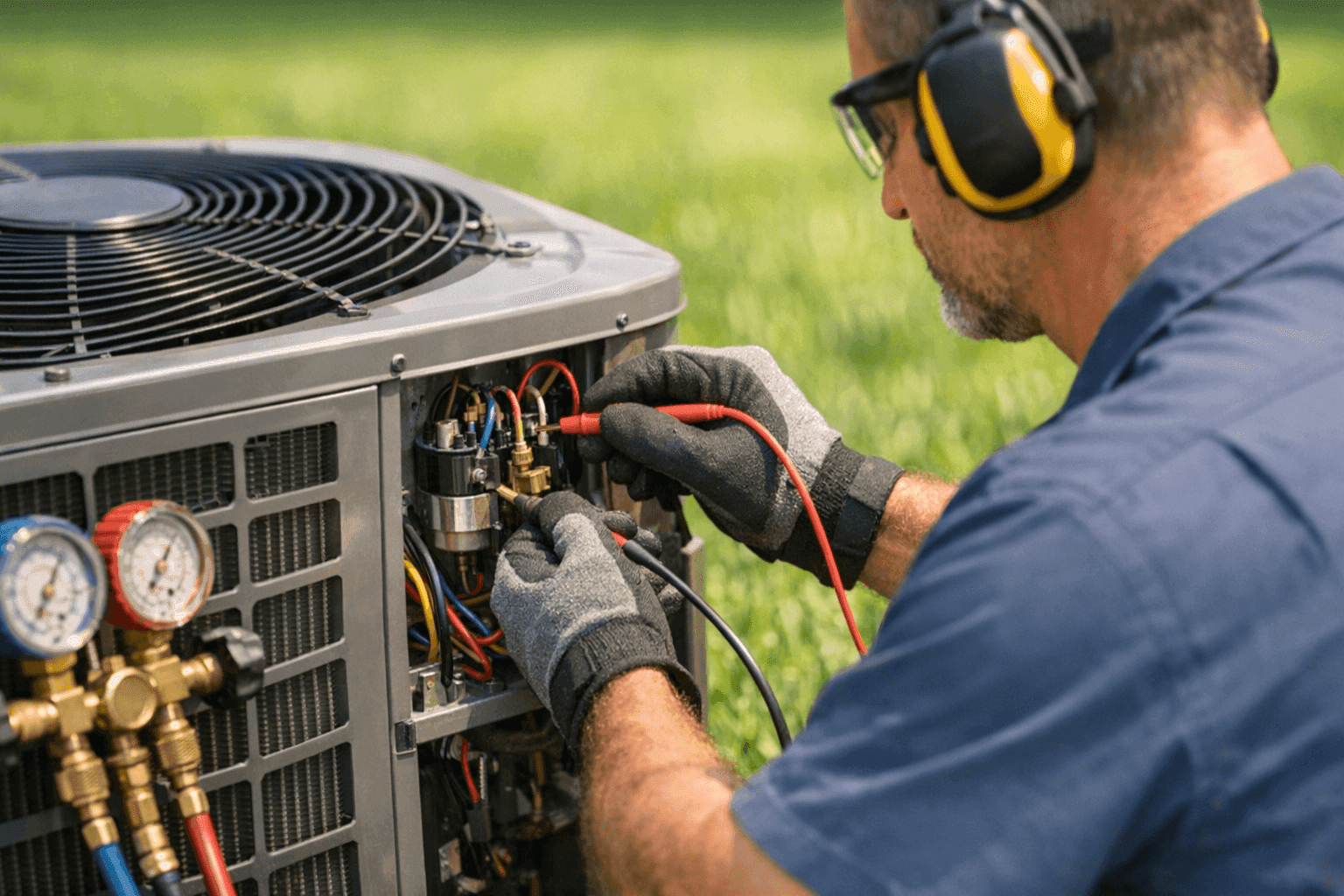
When your AC is humming, life feels a little easier. But those sweaty, sleepless nights when it breaks? Miserable. That’s why protecting your investment—and your comfort—matters. At Right On AC, we help homeowners and businesses get the most out of their cooling systems with practical, proven strategies.
If you want your AC to go the distance, a little know-how goes a long way. Here’s how to keep your cool—literally—and extend the life of your air conditioning system.
Factors Affecting AC Lifespan 🕰️
Picture your AC like a reliable old pickup: tough, but not invincible. The road it travels—how often it runs, how clean it stays, and even the air around it—makes all the difference.
Key factors include:
- Age of the unit: Most ACs last 10–15 years with proper care.
- Climate: Hotter, dustier areas put more strain on components.
- Installation quality: A shaky start means problems down the road.
- Routine maintenance: Skipping checkups is like never changing your oil.
- Airflow and ventilation: Clogged vents or ducts cause the system to work harder than necessary.
According to ENERGY STAR and the U.S. Department of Energy, regular attention can add years to your system’s lifespan. Don’t let small issues become expensive headaches.
Maintenance Musts
Think of AC maintenance as the equivalent of brushing and flossing for your teeth. Miss a few days? You might get away with it. Ignore it for months? Sooner or later, you pay the price.
The Essentials
- Change filters every 1–3 months. Dirty filters suffocate your system and degrade air quality.
- Schedule seasonal tune-ups with professionals. We inspect refrigerant levels, electrical connections, and moving parts for smooth operation.
- Keep coils and fins clean. Outdoor units collect leaves, dirt, and debris. Gently hose them off (with the unit powered off).
- Clear the area around the condenser. Give it at least two feet of breathing room.
Looking for a detailed breakdown? The EPA and local code authorities recommend annual checks by licensed technicians to spot issues before they snowball.
Usage Habits That Matter
How you use your AC is like how you drive your car. Aggressive starts and stops wear things out. Gentle, steady operation helps everything last longer.
Best habits:
- Set your thermostat wisely. 78°F is a sweet spot for comfort and efficiency in summer.
- Use programmable thermostats or smart controls to avoid unnecessary cooling when you’re away.
- Close blinds and curtains on hot days. Keep the sun’s heat out and reduce the load on your system.
- Seal leaks around windows and doors. Insulation upgrades go a long way for both comfort and energy bills.
- Don’t ignore strange sounds or smells. Rattles, squeaks, or musty odors are early warning signs.
When to Call a Pro 🛠️
Some jobs are DIY-friendly. But when your AC acts up, calling a professional is often the safest—and smartest—move.
Call Right On AC if you notice:
- Weak airflow or warm air blowing from vents.
- Frequent short cycling (turning on and off quickly).
- Unexplained spikes in your energy bills.
- Ice on coils or puddles near the system.
- Unusual noises—think grinding, banging, or buzzing.
A licensed technician will test refrigerant levels, check for leaks, inspect electrical components, and ensure your system meets current safety codes. For urgent problems, our AC Repair can help get you back on track, fast.
Quick Safety Checklist
Before you reach for any tools, safety comes first.
- Turn off power at the breaker before any cleaning or filter changes.
- Wear gloves and protective eyewear when handling coils or ducts.
- Never open sealed panels or attempt refrigerant repairs—leave those to the pros.
For more on AC safety, the Occupational Safety and Health Administration (OSHA) offers guidelines for home and workplace maintenance.
DIY vs. Professional Maintenance
Some things you can handle yourself—like changing filters or clearing debris. But deep cleaning, electrical inspections, and refrigerant adjustments require a licensed professional.
You can do:
- Replace filters.
- Gently clean vents and registers.
- Keep outside units free of obstructions.
Pros should handle:
- Annual tune-ups.
- Refrigerant checks and recharges.
- Duct cleaning and sealing.
- Electrical repairs.
Trying to do it all yourself can void warranties or risk your safety.
What Pros Do On Arrival
Expect a thorough checkup when you schedule AC Maintenance with Right On AC. Here’s what happens:
- Inspect thermostats and controls.
- Check and tighten all electrical connections.
- Clean and lubricate moving parts.
- Test system start-up and shut-down cycles.
- Evaluate airflow and ductwork.
- Assess indoor air quality and recommend improvements.
We document findings and provide clear, simple options for repair or upgrade—no pressure, just real answers.
Prevention & Seasonal Considerations 🌡️
Just like you wouldn’t wear shorts in the snow, your AC needs different care as the seasons change.
Spring:
- Schedule professional maintenance before the first heatwave.
- Test the thermostat for accuracy.
- Check for visible duct leaks.
Summer:
- Inspect filters monthly.
- Keep vents open and unobstructed.
- Watch for signs of overwork or short cycling.
Fall:
- Clean and cover the outdoor unit if shutting down for the season.
- Schedule end-of-season inspection to spot wear and tear.
Winter:
- If running a heat pump, check defrost cycles and clear snow or ice.
Common Mistakes That Shorten AC Life
Everyone makes mistakes, but some are especially tough on your system:
- Forgetting to change filters regularly.
- Blocking air return vents with furniture.
- Ignoring regular maintenance visits.
- Running the AC with windows or doors wide open.
- Attempting complex repairs without training.
Don’t give in to shortcuts. Small oversights can lead to big repair bills.
Signs of Trouble
Listen to your AC—it often tells you when something’s wrong.
- Odd noises or vibrations.
- Inconsistent cooling between rooms.
- Water stains or leaks.
- Unusual smells—burning, musty, or chemical.
If you notice any of these, schedule a cooling company visit to Farmington as soon as possible to prevent further damage.
Timeline & Disruption: What to Expect
A standard tune-up or filter change? Usually less than an hour. Bigger repairs—like compressor replacement or refrigerant fixes—might take a half-day or more.
Plan ahead, especially during peak summer seasons. Early morning appointments can help avoid the rush.
Materials & Equipment For DIYers
If you’re tackling basic upkeep, keep these on hand:
- Replacement filters (check your model for sizing).
- Soft brushes or vacuum for vent cleaning.
- Garden hose (for outdoor coil rinse).
- Screwdriver set (for basic panel access).
Never use harsh chemicals or pressure washers—they can damage sensitive parts.
Whole-Home Upgrades: When To Consider Them
Sometimes, it’s not just your AC that needs help. Upgrades like whole-house fans, smart thermostats, or improved insulation can ease the load on your system and extend its lifespan.
For older systems, consider an energy audit. Our team offers AC Maintenance to pinpoint where you’re losing cool air—and money.
FAQ: AC System Longevity
How long should my AC last? Most systems last 10–15 years, but with regular upkeep, some push past 20.
Is it worth repairing or should I replace? If repairs cost more than half the price of a new unit and your system is over 10 years old, replacement may make sense.
How often should I service my AC? At least once a year, ideally before peak cooling season.
Final Thoughts: Stay Cool, Stay Proactive
Your AC works hard for you. Give it the care it deserves, and it’ll reward you with years of reliable comfort. If something feels off, don’t wait for a breakdown—get it checked out right away.
Call Right On AC now — or reach us anytime at 888-836-1269 .