How to Improve Indoor Air Quality in Your Home
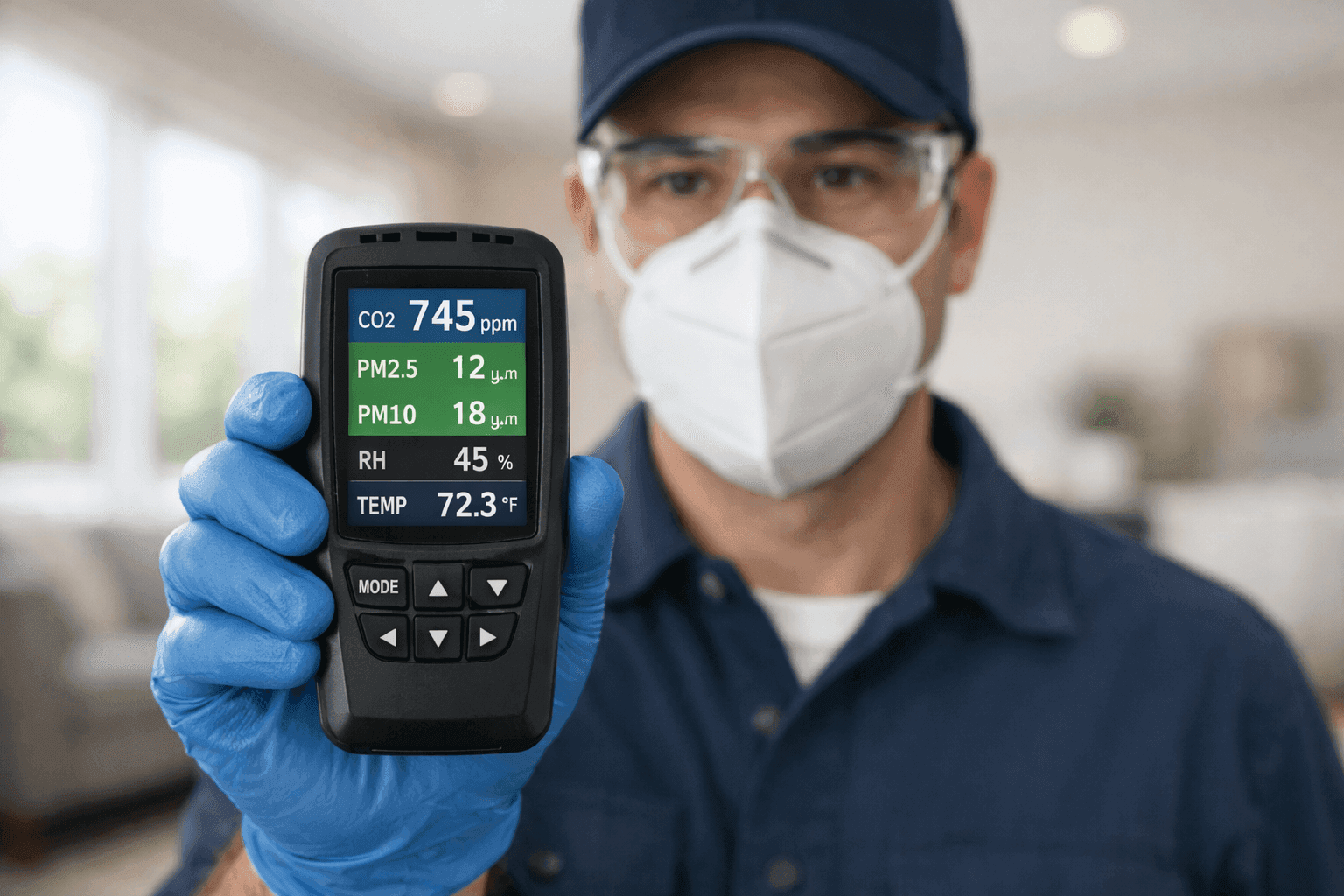
Breathe in. What’s in the air around you right now? If you’re like most people, you picture fresh, clean air wafting through your home or business. The reality is often less refreshing—and more complicated.
Indoor air quality (IAQ) directly affects comfort, focus, sleep, and even long-term health. Right On AC has seen it all: the sneaky dust storms in ductwork, stubborn pet dander, and mystery odors that just won’t quit. Let’s talk about what’s in your air and how you can make it better—starting today.
Major IAQ Threats in Homes 🏠
Every home and commercial space has a unique air “ecosystem.” Some threats are obvious, while others float under the radar.
Common Pollutants and Sources
The air inside your walls can hide a mixed bag of pollutants. Here are the big ones to watch for:
- Particulate Matter: Think of these as microscopic “floaties”—dust, pollen, pet dander, even tiny skin flakes.
- Volatile Organic Compounds (VOCs): Emitted by paints, cleaners, new carpets, and furniture. Imagine invisible fumes that linger long after the “new” smell fades.
- Biological Contaminants: Mold spores, bacteria, and viruses. Humidity and leaks are their playgrounds.
- Combustion Byproducts: Gas stoves, fireplaces, and even attached garages can let in carbon monoxide and nitrogen dioxide.
- Excess Moisture: Damp air invites dust mites and mold, both of which love to trigger allergies.
According to the EPA, indoor air can be two to five times more polluted than outdoor air. Surprised? You’re not alone.
Effective Solutions: Clear the Air, Step by Step
There’s no magic button for perfect IAQ, but there are proven ways to make real improvements.
Air Filtration and Purification
Start with your lungs’ first line of defense: filters. Your HVAC system’s filter is like a bouncer at the door, turning away dust and debris. But not all filters are created equal.
- Upgrade Filters: Use high-MERV (Minimum Efficiency Reporting Value) filters for better performance. For homes with allergies or sensitive occupants, HEPA filters can make a huge difference—just check your system’s compatibility first.
- Portable Air Scrubbers: These machines go above and beyond, actively removing particles and even neutralizing odors and germs. Learn more about Air Scrubbers here.
- UV Purifiers: Some systems use ultraviolet light to zap bacteria and viruses as air passes by. This is especially effective for homes in damp climates or with persistent health concerns.
Don’t forget: Filters need regular changing. If you run your system more in summer or winter, check them monthly.
Routine Maintenance and Cleaning
A clean home supports clean air.
- Duct Cleaning: Dust and debris love to hide in ductwork. Professional cleaning sweeps out years of buildup and improves airflow.
- Ventilation: Fans and open windows help clear out stale air. Whole-house fans are like lungs for your building, exchanging stuffy air for fresh.
- Humidity Control: Dehumidifiers keep moisture in check, making life difficult for mold and dust mites. For dry winters, humidifiers can help—but don’t overdo it.
- Regular HVAC Maintenance: Annual checkups catch problems before they start, from leaky ducts to failing fans. Explore our HVAC Maintenance and Filters services.
The CDC and American Lung Association both recommend these steps to protect against respiratory issues and to support overall wellness.
When to Consider Professional IAQ Testing
Sometimes, DIY isn’t enough. Wondering if it’s time for a closer look?
- Persistent Symptoms: If you or others experience ongoing coughing, sneezing, or headaches, the air may be to blame.
- Visible Mold or Musty Odors: These are red flags. Mold spores are tough and can spread quickly.
- Recent Renovations: New paint, flooring, or furniture introduce fresh VOCs and dust.
- Energy Bills Spiking: Poor air circulation can make your system work harder than it should.
Professional IAQ testing measures invisible threats—like carbon monoxide, radon, or ultra-fine particles—that aren’t caught by sight or smell. Right On AC uses industry-standard equipment and follows safety guidelines set by the EPA and the American Society of Heating, Refrigerating and Air-Conditioning Engineers (ASHRAE).
Quick Home Safety Checklist
- Change HVAC filters every 1–3 months (more often with pets or allergies).
- Check for leaks around windows, basements, and plumbing.
- Use exhaust fans in kitchens and bathrooms.
- Keep humidity between 30–50% (a simple hygrometer helps).
- Store chemicals and cleaners in sealed containers, away from living spaces.
- Test smoke and carbon monoxide detectors monthly.
DIY vs. Call a Pro: Where to Draw the Line
You can tackle a lot on your own—changing filters, cleaning vents, and adjusting humidity. When it comes to thorough duct cleaning, IAQ testing, or installing advanced air scrubbers, professional help pays off in peace of mind and results.
What Pros Do On Arrival
A Right On AC technician doesn’t just poke at your thermostat and leave. Here’s what you can expect:
- Detailed walk-through of your home or business.
- IAQ testing for particulates, VOCs, humidity, and more.
- Inspection of ducts, vents, and system components.
- Recommendations tailored to your needs—never a cookie-cutter approach.
Prevention & Maintenance: Keep It Fresh All Year
- Schedule seasonal HVAC maintenance (spring and fall).
- Clean and vacuum regularly, using a HEPA vacuum if possible.
- Replace filters on time; mark your calendar or set reminders.
- Consider air scrubbers or UV purifiers if you have allergies, pets, or immune sensitivities.
Costs & Time Factors
Improving IAQ doesn’t have to break the bank. Simple steps like filter changes and routine cleaning have a big impact for minimal cost. Larger upgrades—like installing air scrubbers or new filtration systems—are an investment in health and comfort.
Time-wise, most maintenance tasks take less than an hour. Professional IAQ testing or major equipment installs can be completed in a day.
When It’s an Emergency
Certain situations call for immediate action:
- Strong gas smells or carbon monoxide alarms—exit the building and call emergency services.
- Flooding or water leaks—address quickly to prevent mold growth.
- Sudden, unexplained illness affecting multiple people—get professional help fast.
FAQ: Your Top IAQ Questions
Is indoor air really that bad?
Yes—according to the EPA, indoor air often has more pollutants than outdoor air.
How do I know if my filter is working?
If it looks gray or clogged, it’s time to replace it. Airflow and system performance are the best signs.
Can I use scented candles or air fresheners?
Use sparingly; they often add to VOC levels. Opt for natural ventilation when possible.
Seasonal Considerations: Adjust for Weather
- Spring/Summer: Pollen and humidity are high. Use higher-efficiency filters and dehumidifiers.
- Fall/Winter: Dust builds up with closed windows. Change filters more often and consider humidifiers.
Common Mistakes to Avoid
- Forgetting to change filters on schedule.
- Blocking vents with furniture or clutter.
- Ignoring musty smells or small leaks.
- Skipping annual HVAC checkups.
Signs of Trouble: When to Take Action
- Unusual odors or visible mold.
- Allergy symptoms that worsen indoors.
- Increasing dust, even right after cleaning.
- HVAC system struggles to keep up.
Timeline & Disruption: What to Expect
Most IAQ improvements are low impact—no need to move out or disrupt your day. Major duct cleaning or system upgrades may require a few hours but are planned for your convenience.
Materials & Equipment
Quality matters. Right On AC uses industry-approved filters, air scrubbers, and test equipment. We stay current with safety codes and recommendations from groups like the EPA, CDC, and ASHRAE to keep your space safe and comfortable.
Want Cleaner, Healthier Air? Let’s Get Started
Better air quality is within reach. Whether you need advice, maintenance, or advanced solutions, Right On AC is ready to help you breathe easier. For homeowners and businesses alike, we’re your local partners for Indoor Air Quality in Portsmouth and beyond.
Call Right On AC now — or reach us anytime at 888-836-1269 .