How to Know If Your Ducts Need Cleaning
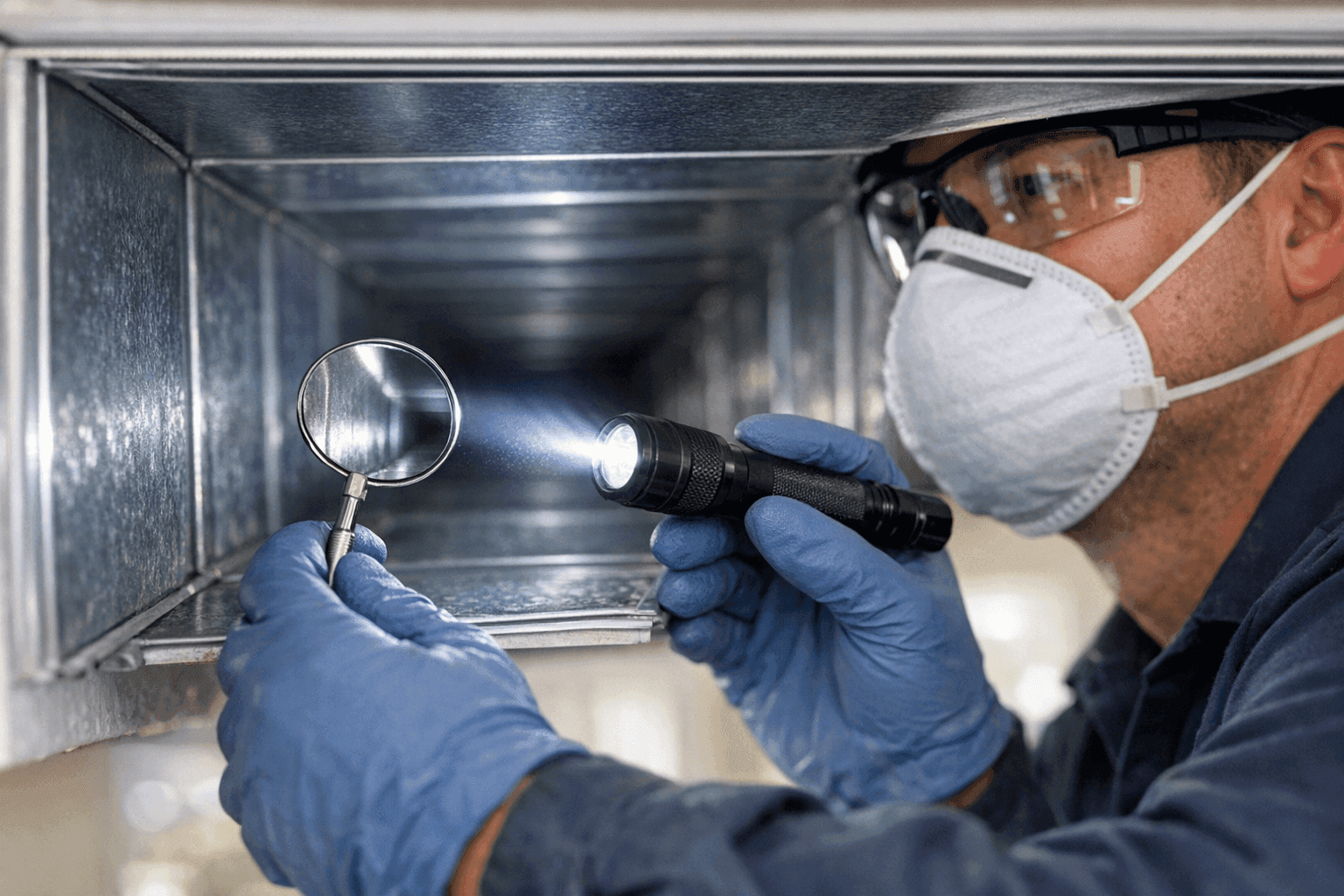
If you’re sitting at home or in your office, breathing in the air and wondering if something feels off, you’re not alone. Most people don’t think about the unseen labyrinth of ducts running through walls and ceilings—until there’s a problem. Coughing more? Dust piling up? That’s your building sending you a message.
At Right On AC, we know what’s at stake: your comfort, your health, and the performance of your cooling system. Ignoring duct issues can lead to spiraling costs and unseen health risks. Here’s how to know when it’s time to act.
Common Signs of Dirty Ducts 🧐
Sometimes, the clues are obvious. Other times, they sneak up on you, quiet as a mouse. Watch for these telltale signs:
- Dust or debris blowing from vents. If you see little dust flurries every time your system kicks on, it’s time to look closer.
- Unexplained allergies or breathing issues. Sneezing, coughing, or watery eyes indoors? Dirty ducts might be the culprit.
- Musty or moldy smells. Odors that cling, especially when the air or heat turns on, often signal mold or mildew.
- Visible mold inside ducts or around vents. Even a small patch can mean bigger problems deeper in the system.
- Frequent filter changes. If your air filters clog up faster than usual, your ducts could be loaded with dirt.
- Uneven cooling or airflow. Some rooms feel like a fridge, others like a sauna—blocked ducts can throw your system off balance.
- Noises in the ductwork. Whistling, rattling, or even popping can indicate airflow struggling past debris.
Each of these signs is like a warning light on your dashboard. Don’t ignore them.
Health and Efficiency Impacts
Dirty ducts don’t just affect your nose—they can hit your wallet and well-being, too.
- Health: According to the U.S. Environmental Protection Agency (EPA), dirty ducts can circulate dust, pollen, mold spores, and pet dander, worsening allergies and respiratory conditions.
- Efficiency: Clogged ducts force your cooling system to work overtime. This wears out parts faster, increases energy bills, and shortens equipment lifespan.
- Indoor air quality: The American Lung Association points out that indoor air can be more polluted than outdoor air. Dirty ducts trap and spread contaminants, making the air you breathe less healthy.
If you’ve noticed any of these changes at home or work, your ducts may be overdue for a cleaning. For more information about improving your air, see our Indoor Air Quality page.
What to Expect from Cleaning
You might picture duct cleaning as a simple dusting job. In reality, it’s more like a deep-clean for your home’s lungs.
- Inspection: Technicians check your ducts with cameras or mirrors to spot buildup, damage, or mold.
- Sealing and protecting: Vents and registers are sealed to prevent dirt from escaping into your rooms.
- Powerful vacuums: Industrial vacuums and brushes remove dust, debris, and allergens.
- Sanitizing: If needed, safe EPA-registered products are used to tackle mold or bacteria.
- Final check: A technician will perform a post-cleaning inspection to ensure nothing was missed.
Expect a professional team to treat your property with care, minimizing mess and disruption.
Quick Safety Checklist
Before anyone starts poking around your vents, make sure:
- The HVAC system is powered down.
- Filters are removed and inspected.
- Any visible mold is avoided until professionals can assess it.
- Pets and small children are kept away from the work area.
If you detect mold, don’t try to clean it yourself. Mold remediation should always follow guidelines from OSHA and the EPA.
DIY vs. Call a Pro
It’s tempting to grab a vacuum and “do it yourself.” But while you can dust vent covers and replace filters, real duct cleaning requires specialized tools and know-how.
- DIY: Good for surface cleaning and filter changes.
- Professional: Necessary for deep cleaning, mold, or severe blockages.
If you’re unsure, reach out to a duct-cleaning specialist.
What Pros Do on Arrival
When Right On AC’s team arrives, here’s what you can expect:
- A thorough walkthrough of your home or business.
- Questions about indoor air quality, cooling performance, and recent issues.
- Safe setup of vacuums and tools.
- Step-by-step communication about what’s happening and why.
Our technicians follow NADCA (National Air Duct Cleaners Association) standards to ensure your system is cleaned safely and thoroughly.
Prevention & Maintenance
Keeping your ducts clean is a marathon, not a sprint. Here’s how to stay ahead:
- Change filters every 1–3 months.
- Schedule annual HVAC maintenance.
- Keep vents and returns free from furniture and dust.
- Control humidity to prevent mold (dehumidifiers help).
- Consider air scrubbers for extra protection.
Routine HVAC maintenance goes a long way toward keeping your system running smoothly.
Costs & Time Factors
Every building is different. Most duct cleaning jobs take two to four hours for an average home. Large commercial spaces may need more time.
- Cost factors: System size, duct length, accessibility, and contamination (especially mold) affect price.
- Time: Clear access to vents and rooms speeds up the process.
Remember, skimping on cleaning can lead to higher repair bills down the road.
When It’s an Emergency
Some situations can’t wait:
- Visible mold or unusual odors.
- Evidence of rodents or insects in the ductwork.
- Sudden, unexplained illnesses among occupants.
If you suspect a serious issue, don’t delay. Emergency cooling services are available 24/7 for urgent problems.
FAQ: Duct Cleaning Basics
How often should I clean my ducts?
Every 3–5 years, or sooner if you notice signs of buildup, after renovations, or if you have pets/allergy sufferers at home.
Will cleaning damage my ducts?
Not if it’s done properly. Professional technicians use soft-bristled brushes and safe vacuum methods.
Does duct cleaning improve HVAC performance?
Yes. Clean ducts mean better airflow, more efficient cooling, and less strain on your system.
Seasonal Considerations
Spring and fall are the best times to schedule duct cleaning—before you start heavy use of heating or cooling. Allergy sufferers may benefit from springtime cleaning to reduce pollen and dust.
Common Mistakes to Avoid
- Ignoring early warning signs.
- Using harsh chemicals or DIY sprays inside ducts.
- Hiring uninsured or uncertified contractors.
- Skipping regular filter replacements.
Your home or business deserves better than guesswork.
Timeline & Disruption
A well-done cleaning shouldn’t disrupt your day. Expect minor noise from vacuums, but most jobs are finished in one afternoon. Technicians will leave your home cleaner than they found it.
Materials & Equipment
Professional duct cleaning uses:
- High-powered vacuums (HEPA-rated)
- Rotating brushes
- Video inspection tools
- EPA-registered sanitizers (as required)
Don’t settle for a shop-vac and a hope—demand the right tools for the job.
Recognizing When to Act
Your comfort and health shouldn’t be left to chance. If you notice the symptoms described above—or just want a healthier, more efficient home—take action before small issues become expensive headaches.
Call Right On AC now — or reach us anytime at 888-836-1269 .