How to Lower Your Cooling Costs Without Sacrificing Comfort
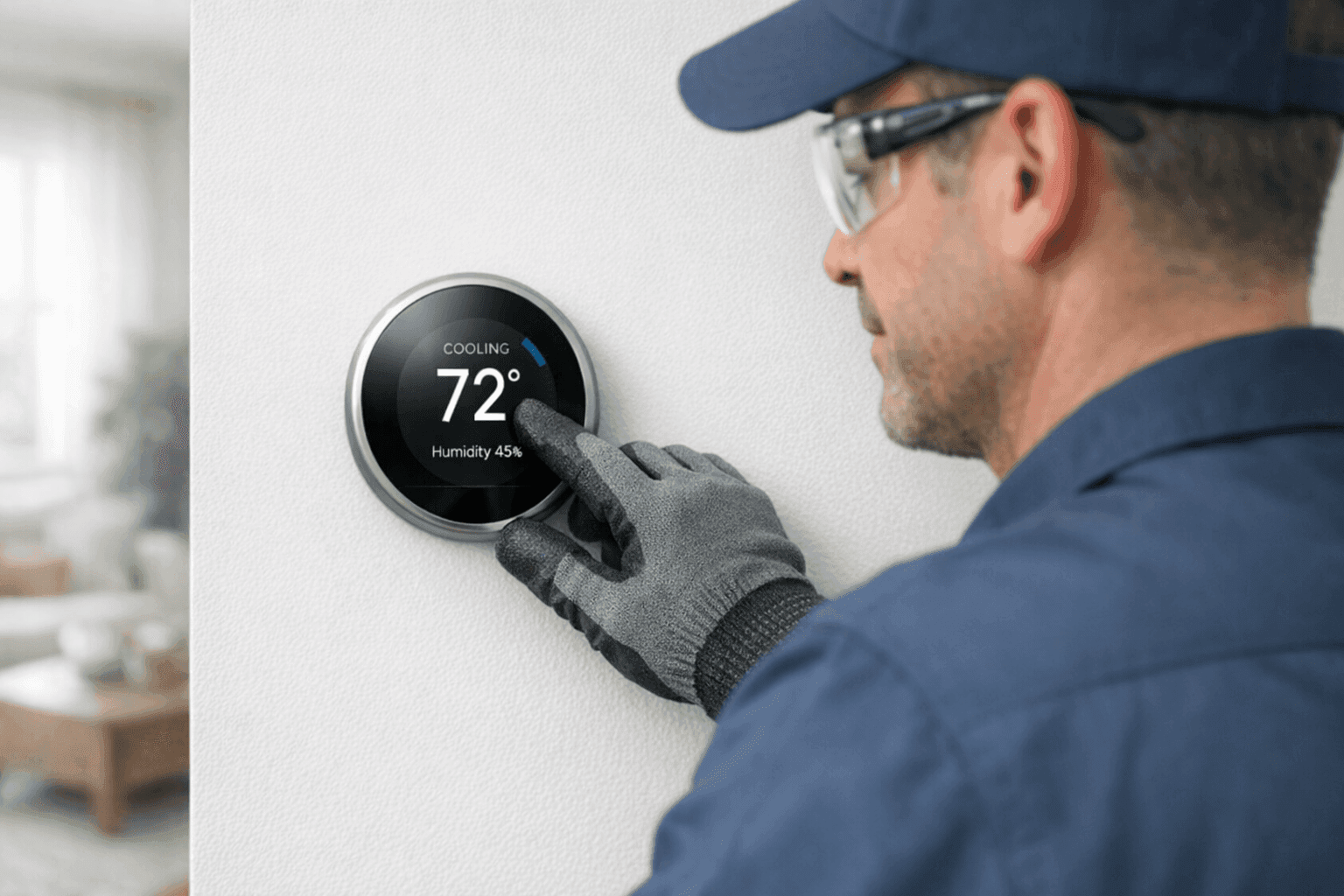
Hot, sticky summers and unpredictable weather can make your cooling bills soar. At Right On AC, we know how tough it is to balance your budget and keep your home or business comfortable—especially when every degree seems to cost more.
Let’s break down simple, proven strategies to lower your cooling costs. These tips work whether you’re in a family home or managing a commercial space.
Factors Affecting Cooling Costs
Before you start adjusting thermostats or swapping filters, let’s look at what really drives your energy bills.
- Insulation and Sealing: Think of your building like a cooler. Cracks, gaps, and poor insulation let the “cool” seep out. That makes your AC work overtime.
- Appliance Heat: Ovens, computers, and even lighting bring extra heat inside. It’s like running a hairdryer in a fridge—never a good idea.
- Thermostat Settings: Every degree counts. The U.S. Department of Energy suggests setting your thermostat as high as comfortably possible in summer.
- Airflow and Ventilation: Blocked vents and clogged ducts mean your system is pushing against a wall. That burns more energy for less comfort.
- System Age and Maintenance: Older systems often run like a car long overdue for an oil change. Worn parts, dirt, and leaks drive up costs.
Smart Thermostat and Filter Tips 🛠️
Your thermostat is the brain of your cooling system. Smart upgrades and regular filter changes make a real dent in your bills.
- Install a Smart Thermostat: These units “learn” your schedule, turning cooling down when you’re out and keeping things comfortable when you’re home. ENERGY STAR estimates savings of up to 10% a year.
- Program Settings: Set it higher when you’re away (78°F is a good starting point), and lower it only when you need it.
- Change Filters Regularly: Dirty filters choke airflow. Change them at least every three months—or more if you have pets or allergies.
- Monitor Humidity: High humidity feels hotter. A dehumidifier can let you raise the thermostat but still feel cool.
Upgrades and Maintenance for Savings
Big savings come from the basics: tune-ups, upgrades, and smart planning.
- Seasonal AC Maintenance: Regular service removes dust, checks refrigerant, and keeps parts running smooth. It’s like hitting “refresh” for your whole system. Learn more about scheduled AC Maintenance.
- Home Energy Audits: An audit highlights where your home or business leaks energy. It’s a detective hunt for your cooling dollars. Our Home Energy Audits show you exactly where to improve.
- Seal Ducts and Cracks: Use caulk or weatherstripping to seal leaks around windows, doors, and ducts.
- Upgrade Equipment: If your AC is over 10-15 years old, consider a high-efficiency model. Today’s systems use up to 50% less energy than those from the 1990s (source: ENERGY STAR).
- Install Ceiling Fans: Fans help circulate air, letting you set thermostats higher but still stay cool.
When to Call a Pro for Help
Some jobs are a DIY win. Others need a professional touch.
- Unusual Noises or Odors: Rattling, grinding, or strange smells signal trouble. Don’t ignore these—they rarely fix themselves.
- Poor Airflow: If some rooms are hot while others feel like a meat locker, you could have duct or blower problems.
- Rising Bills, No Comfort: If your costs climb but comfort drops, your system might need a tune-up or repair.
- Electrical Issues: Flickering lights, tripped breakers, or generator problems need a licensed technician. Don’t risk safety—especially for Generator Installation near you.
- Humidity Problems: Lingering moisture or mold signals deeper ventilation issues.
Quick Safety Checklist 🕹️
Stay safe while you save. Before any DIY:
- Turn off power at the panel before opening your AC unit.
- Use a sturdy ladder and proper tools—no shortcuts.
- Wear gloves and eye protection.
- Follow all local codes and manufacturer instructions.
Looking for more details? The International Residential Code (IRC) and your local building department are excellent sources for safety guidelines.
Common Mistakes That Cost You
It’s easy to fall into habits that drive up your cooling bills. Watch for these:
- Blocking vents with furniture or boxes.
- Letting filters get dirty.
- Skipping annual maintenance.
- Running the AC while windows or doors are open.
- Ignoring small repair needs until they grow.
Prevention & Maintenance: Your Year-Round Defense
Regular maintenance is like brushing your teeth—skipping it leads to bigger, costlier problems down the road.
- Schedule professional AC tune-ups every spring.
- Clean or replace filters as part of your monthly routine.
- Clear debris from around outdoor units for better airflow.
- Test your thermostat and recalibrate if needed.
- Inspect weatherstripping each season.
Signs of Trouble: When to Act Fast
Don’t wait for a complete breakdown. These warning signs mean it’s time to act:
- Uneven cooling or hot spots.
- Ice forming on your AC coils.
- Water pooling near indoor units.
- Short cycling—when your AC turns on and off rapidly.
DIY vs. Pro: Know Your Limits
Changing filters, adjusting thermostats, or removing obvious debris? Go for it. But for anything involving wiring, refrigerant, or complex repairs, call a licensed technician. HVAC systems run on high voltage and can pose safety risks.
Costs & Time Factors
Some fixes are quick and affordable. Others need more time. Here’s a rough guide:
- Thermostat programming: 5–10 minutes.
- Filter change: 5 minutes.
- Professional tune-up: 1–2 hours.
- Duct sealing: a few hours, depending on size.
Upgrades like high-efficiency systems or whole-house fans can take a day or two but pay off for years.
Timeline & Disruption: What to Expect
Most routine maintenance causes minimal disruption. Plan upgrades or big repairs in spring or fall, before peak demand hits. That way, you’ll stay cool when it matters most.
Emergency? Here’s What Counts
If you lose cooling during a heatwave or your system trips breakers, call for emergency service. Heat-related health risks are real—especially for young children, seniors, and those with medical needs. Right On AC offers 24-hour emergency help.
Seasonal Considerations
- Spring: Schedule full HVAC maintenance and inspect insulation.
- Summer: Check filters monthly and monitor humidity.
- Fall: Seal up leaks and prep your system for the next cooling season.
- Winter: Give your system a rest, but don’t forget about ventilation and air quality.
Building Comfort Into Your Routine
Lowering your bills is about more than just numbers on a statement. It means a healthier, more comfortable space for everyone who lives or works there. Whether you need thermostat advice, a complete energy audit, or Generator Installation near you, Right On AC is here to help.
For those in Wisconsin, our Home Energy Audits give you a clear plan for lasting savings and comfort.
Call Right On AC now — or reach us anytime at 888-836-1269 .