How to Maintain Healthy Humidity Levels Year-Round
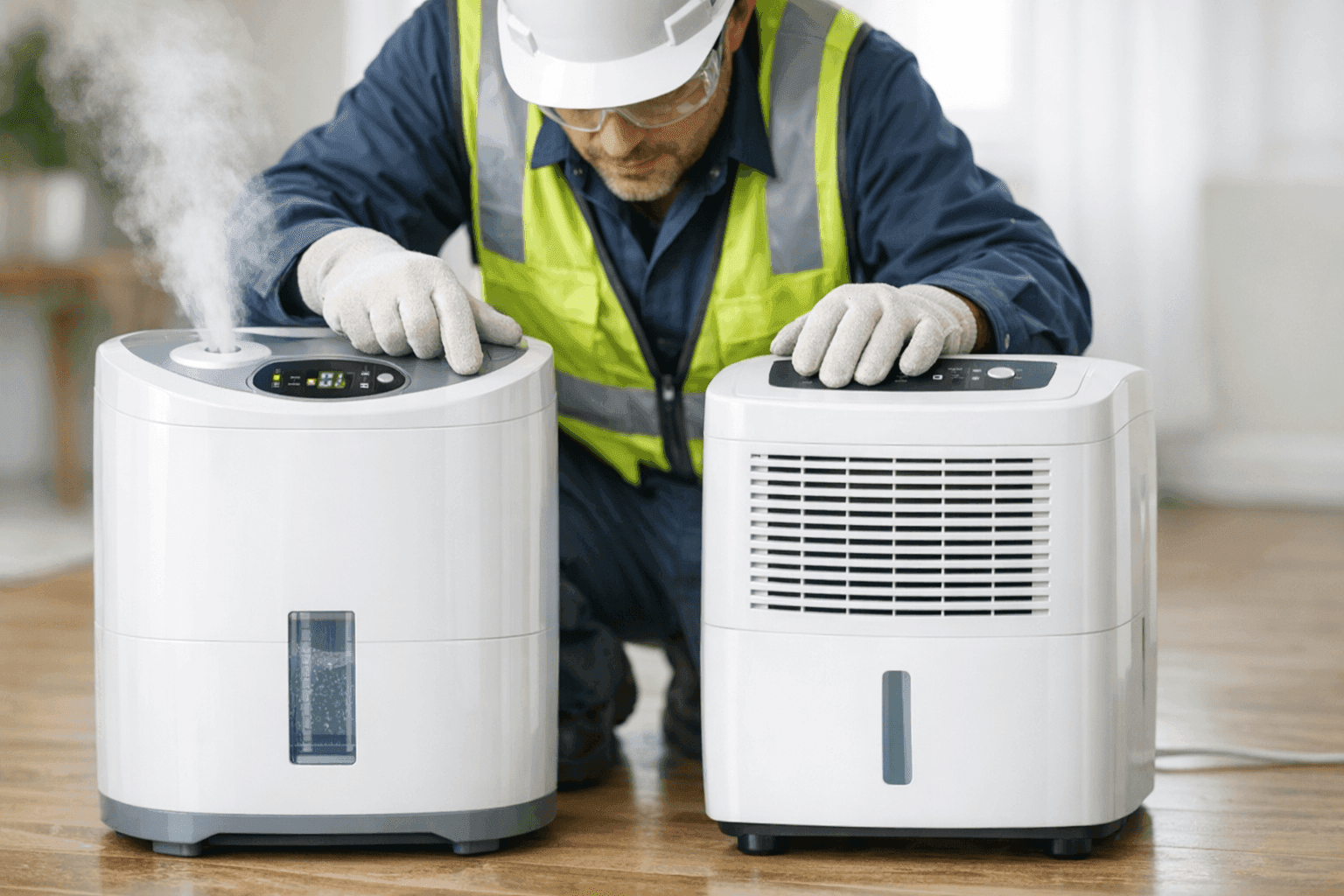
Humidity. It’s invisible, but you feel it everywhere—in sticky summer kitchens, in the dry crackle of winter air, in the musty corners of a forgotten basement. The right balance can mean the difference between breathing easy and constant discomfort.
At Right On AC, we know how unpredictable air can get. Both homes and businesses call us for solutions. Too damp, too dry—either can cause problems. Good news: you can take control, and we’re here to show you how.
Why Humidity Matters Year-Round 🌡️
Humidity isn’t just about comfort. It shapes everything from your mood to your property’s health.
- Comfort: Air that’s too dry feels harsh. Too moist? Sticky and oppressive.
- Health: Dry air dries out your skin, eyes, and even your immune system. But high humidity? That’s a playground for mold, dust mites, and bacteria.
- Property Protection: Wood floors warp. Paint peels. Electronics corrode. Even your favorite book collection is at risk.
The EPA recommends keeping relative humidity between 30%–50% indoors for best results. This isn’t just advice—it’s a standard referenced by ASHRAE (the American Society of Heating, Refrigerating and Air-Conditioning Engineers) for healthy buildings.
Signs of Too Much or Too Little Humidity
Wondering if your humidity is off? Your home or business will give you clues—if you know where to look.
Too Much Humidity:
- Foggy windows, even when it isn’t cold outside
- Musty smells, especially in basements or closets
- Mold spots on walls, ceilings, or around vents
- Sticky air that feels heavier than usual
Too Little Humidity:
- Static shocks and flyaway hair
- Dry, itchy skin or chapped lips
- Nosebleeds or scratchy throats, especially in winter
- Cracking wood furniture or floors
If you're noticing these signs, it's time to take action. Ignoring them can lead to bigger headaches—like costly repairs or health issues.
Tools and Appliances to Use
You can’t see humidity, but you can measure and manage it. Here’s what helps:
Humidifiers: Add Moisture When Air Feels Dry
Perfect for winter or arid climates. Whole-home humidifiers connect directly to your HVAC, spreading balanced moisture to every room. Portable units work for single spaces.
Curious about options? Learn about our humidifiers.
Dehumidifiers: Remove Excess Moisture
Basements, bathrooms, and laundry rooms get muggy fast. A dehumidifier pulls water from the air, making spaces less inviting for mold. For larger buildings, commercial-grade systems work wonders.
Explore dehumidifiers.
Hygrometers: Your Humidity Gauge
Think of a hygrometer as your humidity speedometer. These small, affordable devices show real-time humidity levels. Place one in high-traffic areas or wherever you’re concerned.
Smart Thermostats
Many modern thermostats can display humidity and even trigger humidifiers or dehumidifiers automatically. They’re like a conductor for your indoor air orchestra.
Air Conditioners and Ventilation
Don’t forget: AC units and proper ventilation also help regulate humidity—especially in the summer. If your AC isn’t cutting it, you might need a checkup.
Maintenance Tips for Consistency 🛠️
Keeping humidity in the sweet spot means regular attention—not just a set-it-and-forget-it approach.
- Change Filters: Clogged filters trap moisture and can breed mold. Replace them every 1–3 months (check manufacturer guidelines).
- Empty Dehumidifier Tanks: If using a portable dehumidifier, empty the reservoir daily in humid periods. Clean with a mild disinfectant.
- Check for Leaks: Pipes, roofs, and even window seals can bring in unwanted moisture. Inspect regularly.
- Schedule HVAC Maintenance: Annual checkups keep everything running smoothly and spot small issues before they grow.
- Clean Ducts: Dust and debris can hold moisture and feed mold. Duct cleaning every few years is a smart move.
Quick Safety Checklist
- Never let water sit in drip pans or dehumidifier tanks.
- Use GFCI outlets in damp locations.
- Ensure appliances are UL-listed and installed to local codes.
- Maintain exhaust fans in kitchens and bathrooms.
Safety isn’t just about comfort—it’s about long-term health and property integrity. Local building codes and the National Electrical Code (NEC) offer best practices for appliance placement and wiring.
Seasonal Considerations: Adjusting to Weather Swings
Winter brings dry, cold air. Summer, the heavy humidity. Here’s how to adjust:
- Winter: Use humidifiers, seal drafts, and monitor wood surfaces for cracks.
- Spring/Summer: Switch on dehumidifiers, run AC, and use exhaust fans during showers or cooking.
- Fall: Clean gutters to prevent leaks, and set up your appliances for the coming season.
DIY vs. Call a Pro
Some fixes are simple. Others, risky or complex.
DIY Jobs:
- Using portable units
- Checking hygrometer readings
- Changing filters
Call a Pro When:
- Installing whole-home humidifiers or dehumidifiers
- HVAC repairs or maintenance
- Unexplained mold, persistent odors, or humidity swings
Licensed technicians know what to look for—and how to keep your system safe and efficient.
What Pros Do On Arrival
When you call Right On AC, here’s what to expect:
- Inspection: We measure humidity, temperature, and airflow.
- Diagnosis: Find the source—leaks, poor insulation, or failing equipment.
- Recommendation: We’ll suggest the right tools, from humidifiers to ventilation upgrades.
- Installation & Follow-up: Safe, code-compliant work with a walkthrough of your new setup.
Prevention & Maintenance
Prevention is less expensive than repair. Simple habits keep humidity in check:
- Keep doors and windows closed during extreme weather.
- Use exhaust fans when cooking or bathing.
- Regularly clean and service all appliances.
- Schedule professional HVAC maintenance each year.
Costs & Time Factors
- Portable humidifiers/dehumidifiers: Affordable, easy to set up—usually under an hour.
- Whole-home systems: More investment, but pay off in comfort and property protection.
- Annual maintenance: Budget for at least one checkup per year.
Remember, costs vary based on home size, appliance type, and installation needs.
When It’s an Emergency
If you spot standing water, rapidly spreading mold, or have sudden spikes in humidity, act fast. Some issues—like electrical shorts from moisture or major leaks—can threaten your safety and your building.
That’s when our 24-hour emergency service steps in. Don’t wait if you suspect a serious problem.
Common Mistakes to Avoid 🚫
- Ignoring humidity readings—trust your hygrometer.
- Over-humidifying in winter, which can cause condensation and mold.
- Placing humidifiers near electronics or in closed cabinets.
- Forgetting to clean and service appliances.
Little oversights can create big headaches. Stay alert.
Signs of Trouble: When to Reassess
Even with the best setup, things can change:
- Humidity swings with the weather, but sudden, severe changes signal issues.
- If your appliances run but don’t seem effective, they may need repair or replacement.
- Musty odors or visible mold—never ignore these!
Timeline & Disruption
Most installations or repairs can be done in a day, with minimal interruption. For commercial clients, we work around your business hours to limit downtime.
Materials & Equipment
Right On AC uses only tested, reliable brands that meet industry standards. We follow manufacturer specs and local code for every installation, from humidifiers to ventilation systems.
FAQ: Humidity Edition
Q: Is humidity control really necessary year-round?
A: Absolutely. Both excess and lack of moisture cause comfort and health problems, whatever the season.
Q: Will a humidifier or dehumidifier affect my energy bills?
A: Properly used, these devices can actually help your HVAC run more efficiently, often saving money in the long run.
Q: Can I set and forget my appliances?
A: Regular maintenance—cleaning, filter changes, and annual checkups—are essential for effectiveness and safety.
The Right Partner for Your Humidity Needs
Whether you’re a homeowner, property manager, or business owner, the right humidity balance means less worry and more comfort. Our team handles everything from routine HVAC maintenance to advanced IAQ solutions.
Looking for a trusted cooling company? Residents searching for Dehumidifiers in Grand Forks can find reliable help here: Dehumidifiers in Grand Forks.
Call Right On AC now — or reach us anytime at 888-836-1269 .