How to Maintain Healthy Indoor Air in Every Season
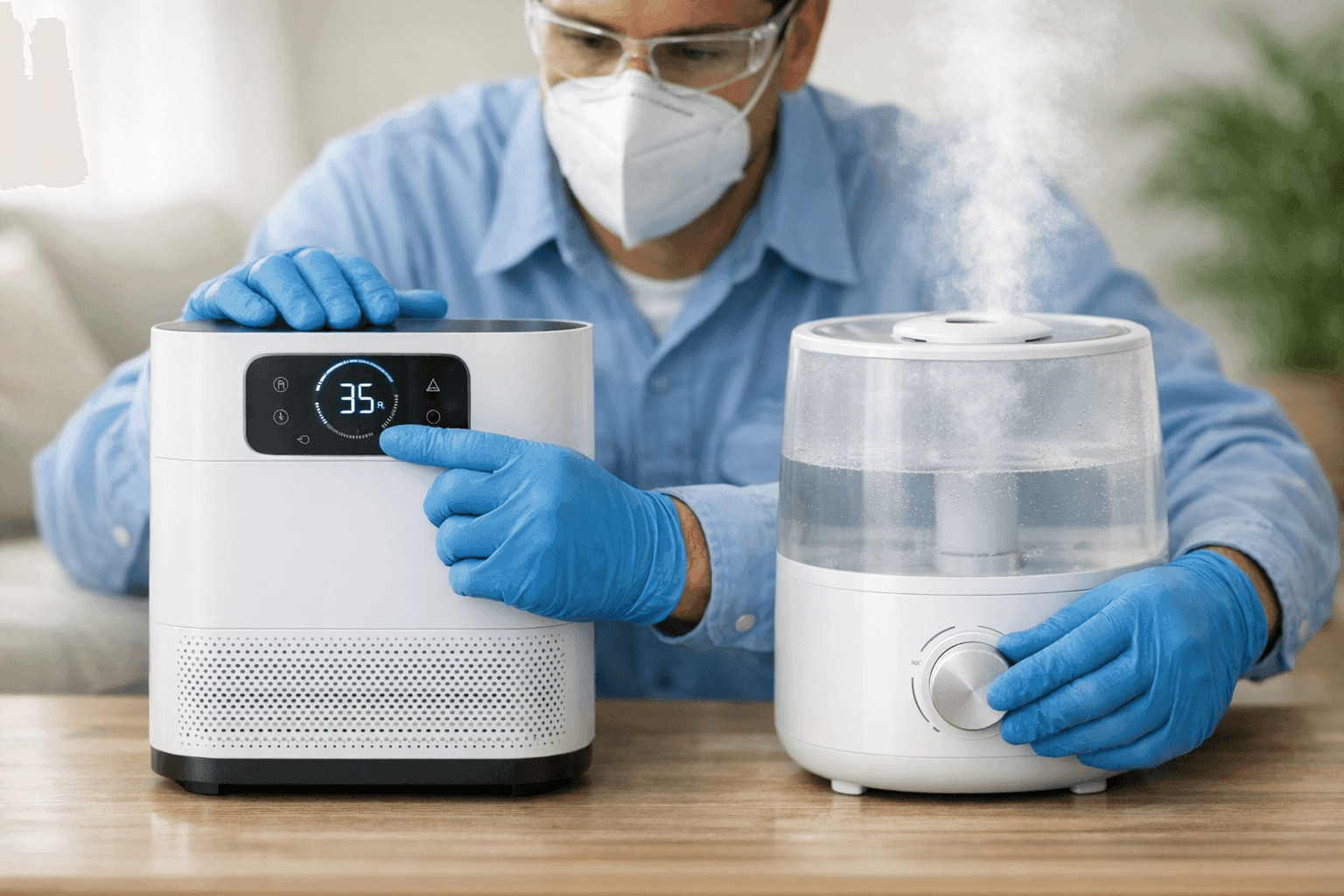
Is the air in your home or business truly as fresh as you think? Most people don’t notice indoor air quality until there’s a problem—like musty odors, sneezing, or that telltale layer of dust clinging to vents. With every season, new challenges sneak in. At Right On AC, we’re here to help you breathe easy no matter what blows in from outdoors.
From humidity swings to pollen surges, healthy indoor air is a moving target. But with a little know-how and the right routine, you can stay ahead of the curve—and the sniffles.
IAQ Threats by Season 🌀
Every season has its own “personality,” and so does your indoor air.
- Spring: Pollen and mold spores ride the breeze, sneaking in every time you open a window. Rainy spells can encourage dampness and mold inside.
- Summer: Heat and humidity turn your home into a sauna. Dust mites and mold thrive. Air conditioners run overtime, sometimes circulating stale air.
- Fall: Leaves decay, releasing mold spores and organic debris. Home heating systems fire up, sometimes blowing dust and pet dander.
- Winter: Homes seal up tight. Without fresh air, carbon dioxide and indoor pollutants build up. Dry air can crack skin and irritate airways.
The Environmental Protection Agency (EPA) notes indoor air can be up to five times more polluted than the air outside. Staying alert to seasonal risks is step one.
Adjusting Humidity and Filtration
Humidity is like Goldilocks—too much or too little, and things get uncomfortable fast. The sweet spot for indoor humidity sits between 30% and 50%, according to the American Society of Heating, Refrigerating and Air-Conditioning Engineers (ASHRAE).
- Too humid? Mold, mildew, and dust mites throw a party.
- Too dry? Skin, nose, and even wood furniture start to crack.
How to hit the mark:
- Use a hygrometer to monitor humidity.
- Run dehumidifiers in muggy months, especially in basements and bathrooms.
- Add humidifiers in winter to prevent dryness. Our Humidifiers service can help you pick the right solution for your space.
- Upgrade your filters. High-efficiency pleated filters trap dust, pollen, and even some viruses. Change them every 1-3 months, or as recommended by your HVAC system’s manufacturer.
Filters aren’t just an afterthought—they’re your home’s lungs. Keep them fresh.
Cleaning and Maintenance Routines 🧹
Keeping indoor air clean is a marathon, not a sprint. Consistency matters.
Weekly:
- Dust surfaces (especially near vents) with a damp cloth.
- Vacuum using a HEPA-filtered vacuum.
- Wash bedding in hot water to keep dust mites at bay.
Monthly:
- Replace or clean HVAC filters. See our Filters options for different home and business needs.
- Check for signs of mold in damp areas like bathrooms and basements.
Seasonally:
- Schedule professional HVAC maintenance before extreme heat or cold hits.
- Clean air ducts and vents if you notice excess dust or musty odors.
- Inspect your home for leaks or water intrusion after storms.
Don’t forget: A tidy system is a happy system. According to the National Air Duct Cleaners Association (NADCA), regular duct cleaning can improve air quality and system efficiency.
When to Seek Professional Help
Sometimes, elbow grease just isn’t enough. Call in the pros if you notice:
- Persistent musty smells or visible mold.
- Unexplained allergy flare-ups or respiratory symptoms.
- Sudden spikes in energy bills (often a sign of clogged filters or duct leaks).
- Water stains on walls or ceilings.
- HVAC systems that cycle constantly or blow weak air.
Professional technicians don’t just fix— they diagnose. Right On AC’s indoor air quality team uses state-of-the-art IAQ testing to pinpoint hidden issues and recommend real solutions. If you’re searching for “Generator Installation near you,” or anything from air balancing to whole-house fans, we’ve got the tools and know-how to help.
Quick Safety Checklist 🚨
- Test carbon monoxide detectors and smoke alarms every season.
- Change batteries at daylight savings time.
- Keep exhaust fans running during showers or when cooking.
- Never block air returns or supply vents with furniture or drapes.
- If you use a portable generator, always follow safety guidelines from the National Fire Protection Association (NFPA).
Signs of Trouble: Don’t Ignore These Red Flags
- Breathing feels labored or stuffy indoors.
- Family or coworkers complain of headaches or fatigue that clear up outside.
- You spot mold, mildew, or excess condensation on windows.
- Persistent dust, even after cleaning.
- Unusual noises or odors from your HVAC system.
Trust your senses: If something feels off, act fast.
DIY vs. Call a Pro
DIY:
- Replacing filters.
- Cleaning vents and returns.
- Running dehumidifiers or humidifiers.
- Monitoring humidity with a simple sensor.
Call a Pro:
- IAQ testing.
- Duct cleaning.
- Mold remediation.
- AC or furnace repair.
- Advanced filtration or ventilation upgrades.
A good rule: If it involves tools you don’t own, chemicals you can’t pronounce, or problems you can’t see, it’s time to call Right On AC.
Prevention & Maintenance: A Year-Round Plan 🗓️
- Spring: Replace filters. Clean ducts. Check for pollen buildup.
- Summer: Run dehumidifiers. Schedule AC maintenance. Inspect for mold.
- Fall: Prepare your heating system. Inspect humidifiers. Clean or replace filters.
- Winter: Use humidifiers. Check for drafts. Run ceiling fans clockwise to circulate warm air.
Our indoor air quality services can help you build a custom plan that fits your home or business.
Costs & Time Factors
- Filter replacement: $10–$50 per unit, 10 minutes per filter.
- Dehumidifier/humidifier install: 1–3 hours for professionals.
- Duct cleaning: Half a day for most homes, longer for commercial spaces.
- IAQ testing: Varies based on size and scope.
Investing a little now saves money and stress later.
When It’s an Emergency
- Smell gas or burning? Leave the building and call emergency services.
- Suspect carbon monoxide? Exit immediately and seek medical attention.
- Major water leak or visible mold? Don’t wait—call for help.
Some problems can’t wait. That’s why Right On AC offers 24-hour emergency service when you need us most.
Common Mistakes to Avoid
- Ignoring musty or chemical smells.
- Skipping filter changes.
- Blocking vents with furniture.
- Forgetting to test detectors.
- Waiting for symptoms before acting.
A little prevention beats a major headache every time.
Timeline & Disruption
Most regular maintenance happens quickly—think minutes, not days. Major jobs like duct cleaning or IAQ testing may take a few hours, but a well-coordinated team minimizes disruption so you can get back to normal fast.
FAQ: Your Top Indoor Air Questions Answered
How often should I change my filters? Every 1–3 months, or as the manufacturer recommends.
Are humidifiers safe for all homes? Yes, when used properly. Clean regularly to prevent mold.
What’s the best filter type for allergies? HEPA or high-MERV rated filters capture the most allergens.
Do I need professional IAQ testing? If you notice ongoing symptoms or have high-risk occupants (kids, elderly, chronic illness), it’s a smart move.
Materials & Equipment
- High-quality pleated filters.
- Digital hygrometer.
- HEPA vacuum.
- EPA-registered cleaning solutions.
- Dehumidifiers and humidifiers sized to your space.
When in doubt, ask a pro about the right gear for your building.
Local Expertise Matters
Whether you’re prepping for a blizzard or a heatwave, it pays to have a local cooling company on your side—one that knows your climate and your needs.
Breathe Easy All Year
Healthy air isn’t just a comfort—it’s a foundation for well-being. Take small steps. Make a plan. And when you need help, Right On AC is ready to roll.
Call Right On AC now — or reach us anytime at 888-836-1269 .