How to Prepare Your HVAC for Winter
When the days get shorter and the chill creeps in, that first cold snap can feel like nature’s stress test for your home or business. Right On AC gets it—winter weather doesn’t wait for anyone, and neither do HVAC breakdowns. We’re here to help you sidestep that sinking feeling of waking up to a freezing house or a business that’s too cold for comfort.
Whether you’re a homeowner or manage a commercial space, prepping your HVAC for winter isn’t just about comfort—it’s about safety, savings, and peace of mind.
Why Winter Prep Matters ❄️
Cold weather is more than just a nuisance. It can turn a small HVAC hiccup into a big, expensive headache. Planning ahead keeps your system humming, your bills in check, and your indoor air healthy all winter long.
Freeze Risks and Efficiency
Imagine your HVAC system as the heart of your building—the pipes and vents are like arteries. When temperatures drop, water in those lines can freeze, expand, and cause leaks or bursts. Even a minor issue can snowball, leading to days without heat or cooling.
An unprepared system also wastes more energy. According to the U.S. Department of Energy, dirty filters and neglected maintenance can increase your heating costs by up to 15%. That’s money most folks would rather keep in their pocket.
Steps for Winterizing HVAC
Getting your system ready isn’t rocket science, but a few smart steps can make all the difference.
Change Those Filters
A clogged filter is like trying to breathe through a straw. Replace or clean your filters every 30-90 days. This simple move not only improves airflow but also helps your system run efficiently, keeping dust and allergens at bay.
Set and Check Thermostats
Test your thermostat before the first cold front. Switch it to heat mode and make sure it responds quickly. If you use programmable thermostats, set lower temperatures when you’re away and warmer settings when you’re home. Smart thermostats make this even easier and can save you money all winter.
Inspect Outdoor Units
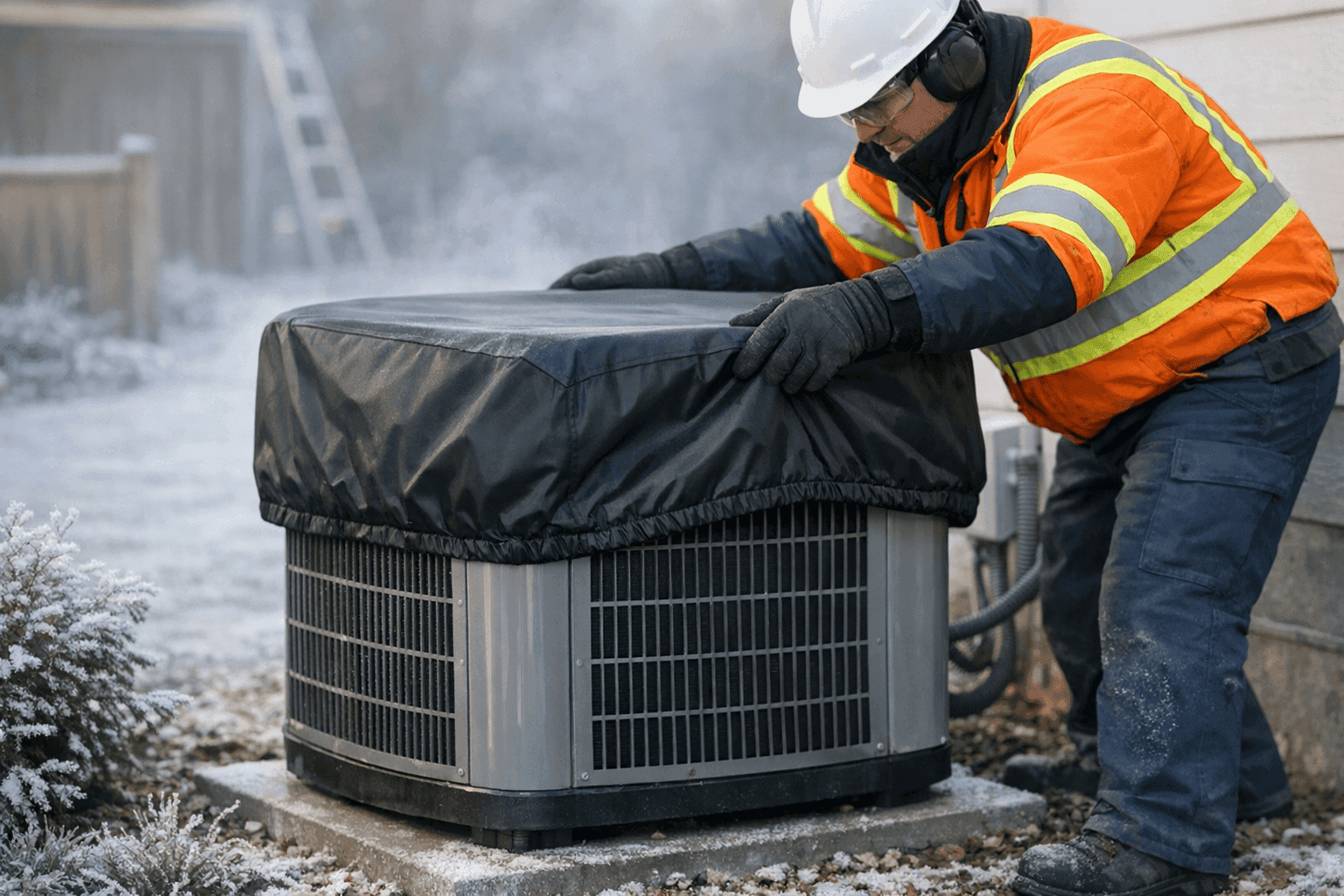
Outdoor condenser units can take a beating when winter hits. Clear away leaves, branches, and debris. If you’re in a region with heavy snow, consider covering the unit with a breathable cover (never airtight—trapped moisture can cause rust). Make sure the area stays clear through the season.
Seal Ducts and Check Vents
Leaky ducts are like holes in your wallet—wasted air means wasted money. Use mastic sealant or metal tape to seal visible leaks. Make sure furniture or rugs aren’t blocking vents, so warm air can circulate freely.
Clear the Condensate Drain
That little plastic tube or pan under your indoor unit? It’s the condensate drain, and if it clogs, you could end up with water damage or dangerous mold. Pour a cup of vinegar through it every few months to keep things flowing.
Quick Safety Checklist
- Test carbon monoxide and smoke detectors.
- Make sure emergency shut-off switches are easy to reach.
- Double-check insulation around pipes and ductwork.
- Keep combustibles away from the furnace or air handler.
DIY vs. Call a Pro
Some winter prep is simple enough for a Saturday afternoon. But certain jobs—like checking refrigerant levels, inspecting electrical components, or handling whole-house fans—are best left to professionals. If you’re not sure, don’t risk it. Safety comes first.
What Pros Do on Arrival
When you schedule HVAC Maintenance or AC Maintenance with Right On AC, here’s what our trained techs tackle:
- Full system inspection (heat exchangers, burners, wiring, and more)
- Tightening electrical connections
- Lubricating moving parts
- Testing thermostat accuracy
- Checking for gas leaks or carbon monoxide risks
- Inspecting and cleaning blower components
Our team follows National Fire Protection Association (NFPA) and International Residential Code (IRC) standards to ensure safety and efficiency.
Prevention and Maintenance
Seasonal maintenance isn’t just about surviving winter. It’s about extending the life of your equipment, reducing emergency repairs, and keeping energy bills manageable. Imagine your HVAC like a car—regular oil changes keep it running, but skip them and you’re asking for trouble.
Costs & Time Factors
Winterizing your HVAC doesn’t have to break the bank. Filter replacements, thermostat checks, and visual inspections are affordable and can be done in under an hour. A professional tune-up might cost a bit more, but it’s far less than the price of emergency repairs or a new unit.
When It’s an Emergency
If your system won’t turn on, makes strange noises, or you smell gas—don’t wait. Shut things down and call for 24-hour emergency service. Quick action keeps your family, tenants, or employees safe.
Common Mistakes to Avoid
- Skipping filter changes
- Blocking vents with furniture or boxes
- Ignoring strange noises or smells
- Forgetting to clear outdoor units after storms
- Attempting complex repairs without training
Signs of Trouble
- Uneven heating or cold spots
- Higher energy bills without increased use
- Noisy operation (clanks, bangs, or rattles)
- Weak airflow from vents
- Persistent odors or poor indoor air quality
If you notice any of these, don’t wait for a breakdown. Early intervention can save time and money.
Timeline & Disruption
Most winter prep can be done in a single afternoon or a quick service visit. Our team works around your schedule, minimizing downtime so you’re not left in the cold.
Materials & Equipment You’ll Need
- Fresh air filters (right size for your system)
- Programmable or smart thermostat (if upgrading)
- Duct sealant or metal tape
- Basic tools: screwdriver, flashlight, gloves
- Furnace-safe cleaner for the blower compartment
Ventilation and Indoor Air Quality
Winter means closed windows and less fresh air. Consider whole-house fans, air scrubbers, or dehumidifiers to keep the air healthy. Regular IAQ (Indoor Air Quality) testing can spot invisible issues like excess humidity or contaminants.
Energy Audits: The Hidden Advantage
Want to know exactly where your system is losing efficiency? A home energy audit pinpoints leaks, insulation gaps, and ventilation issues, giving you a roadmap to savings. The U.S. Department of Energy offers guidelines for what to expect during a professional audit.
Don’t Forget Generator Installation & Maintenance
Power outages happen—especially during winter storms. If you rely on a generator for backup heat or cooling, schedule [Generator Installation near you] or routine maintenance before the season is in full swing.
Your Winter-Ready Checklist
- Replace or clean all HVAC filters
- Test and program thermostats
- Remove debris from outdoor units
- Seal visible duct leaks
- Pour vinegar in the condensate drain
- Schedule professional maintenance
FAQ: Winter HVAC Prep
Q: How often should I change my filters in winter?
A: Every 30-90 days, or more often if you have pets or allergies.
Q: Can I cover my outdoor AC unit?
A: Yes, with a breathable cover. Never use plastic or anything that traps moisture.
Q: What temperature should I set my thermostat?
A: For heating, 68°F when home, lower when away (U.S. Department of Energy).
Q: Is professional maintenance really necessary every year?
A: Yes, annual maintenance prevents breakdowns and ensures safe operation.
For Edmond and Beyond
If you’re looking for reliable cooling or HVAC Maintenance in Edmond, check out our cooling services in the area. Right On AC proudly serves both residential and commercial customers with 24-hour emergency care.
Call Right On AC now — or reach us anytime at 888-836-1269 .