How to Prevent Carbon Monoxide Leaks from HVAC Equipment
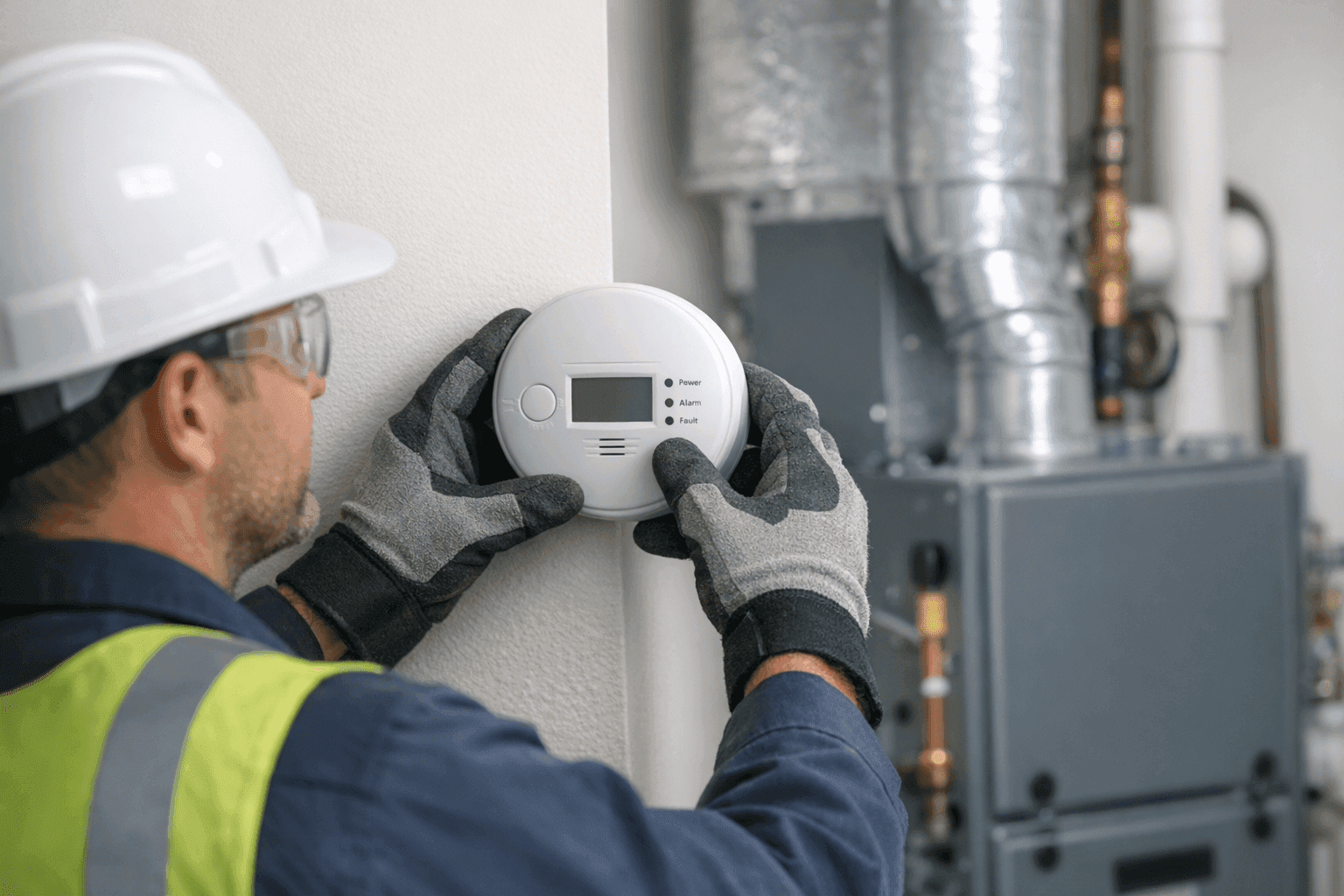
Your home or business is supposed to be a safe haven—a place where breaths come easy and worries melt away. But carbon monoxide (CO)—a silent, invisible threat—can slip in through your HVAC system, turning comfort into danger in a heartbeat.
At Right On AC, we’ve seen how quickly things can go wrong when HVAC maintenance gets overlooked. CO leaks aren’t just technical troubles—they’re life-threatening emergencies. Here’s how to spot, prevent, and respond to carbon monoxide leaks from your HVAC equipment, whether you’re a homeowner or a business manager.
Why CO Leaks Happen in HVAC 🛑
Carbon monoxide is called the “silent killer” for a reason. It’s colorless, odorless, and tasteless. If it’s leaking, you won’t see or smell it. But where does it come from?
- Combustion Appliances: Furnaces, boilers, and water heaters burn fuel (like gas, oil, or propane). If they don’t burn cleanly, CO gets produced as a byproduct.
- Poor Ventilation: Blocked, cracked, or disconnected vents and flues let CO escape into your living or work spaces.
- Equipment Malfunction: Older HVAC systems, or those with broken heat exchangers or rusted components, are prime suspects.
- DIY Modifications: Unpermitted changes to HVAC layout or ductwork can unintentionally block airflow and cause CO buildup.
The U.S. Consumer Product Safety Commission and the CDC both highlight HVAC systems as a leading source of accidental carbon monoxide poisoning in both homes and businesses.
Warning Signs to Watch For ⚠️
CO is sneaky, but it leaves clues—both in your building and in your body.
Physical symptoms (for occupants, customers, or staff) might include:
- Dull headache
- Dizziness
- Nausea or vomiting
- Shortness of breath
- Confusion
- Fainting
Building warning signs:
- Stale, stuffy air
- Soot or yellow/brown stains around appliances
- Pilot light that keeps going out
- Excessive condensation on windows near your HVAC equipment
- Unusual moisture or rust on vent pipes
If you notice these, don’t wait. Quick action saves lives.
Prevention—Maintenance, Detectors, and Smart Choices 🛡️
Prevention is like weaving a safety net. Every strand matters.
1. Schedule Professional HVAC Maintenance
- Have your furnace, boiler, and water heater inspected every year by a certified technician ([/services/hvac-maintenance]).
- Right On AC checks for cracks, corrosion, leaks, and blockages—common culprits behind CO leaks.
2. Install Carbon Monoxide Detectors
- Place detectors on every floor, especially outside sleeping areas and near fuel-burning equipment.
- Test detectors monthly. Replace batteries twice a year.
- Remember: Detectors don’t last forever. Replace units every 5–7 years (check manufacturer’s instructions).
3. Keep Vents and Flues Clear
- Don’t block vents with furniture or boxes.
- After storms or renovations, check that nothing is clogging outdoor vent pipes.
4. Avoid DIY Repairs
- HVAC systems are like a puzzle—move one piece, and the whole picture changes. Untrained fixes can make things worse.
5. Choose High-Quality Equipment
- When installing new systems, opt for models with safety shutoffs, oxygen depletion sensors, and manufacturer certifications.
Quick Safety Checklist
- Annual inspection by a licensed cooling professional
- Working CO detectors (tested monthly)
- No visible corrosion or soot around HVAC units
- All vents and flues unobstructed
- No lingering combustion odors
Stick this list on your fridge or breakroom. Safety shouldn’t slip through the cracks.
DIY vs. Call a Pro
Some things you can do yourself: change filters, check detectors, keep vents clear. But diagnosing hidden CO leaks? That’s a job for the pros.
Professional techs use:
- Combustion analyzers
- Infrared cameras
- Pressure testing
- Visual inspections following codes from the National Fire Protection Association (NFPA) and local standards
Don’t gamble with guesswork. If you’re unsure, call Right On AC.
What Pros Do On Arrival
Here’s what happens when you call us about a suspected CO issue:
- We listen to your concerns and ask about symptoms or warning signs.
- Our technicians inspect all fuel-burning appliances, ductwork, and vents.
- We use specialized instruments to detect CO levels—far more sensitive than store-bought detectors.
- Any unsafe conditions? We’ll shut down equipment and ventilate immediately, then discuss next steps for repair or replacement.
What to Do If You Suspect a Leak
Speed matters. If you think there’s a CO leak:
- Evacuate everyone (including pets) to fresh air immediately.
- Call 911 if anyone feels ill.
- Don’t re-enter until emergency responders say it’s safe.
- Once safe, contact Right On AC for a thorough inspection and repair.
Never try to “air out” a building and keep using equipment. CO can linger, and small leaks can become big emergencies quickly.
Costs & Time Factors
Worried about costs? The price of prevention is always less than the price of a crisis. Annual HVAC maintenance is affordable and can often be completed in a single visit—usually within 60–90 minutes. Most CO detector installations are quick and inexpensive.
Compare that to the cost of health emergencies, property damage, or business interruption. Prevention pays for itself.
When It’s an Emergency
- Any CO detector alarm—take it seriously. Don’t ignore it or assume it’s a fluke.
- Symptoms like dizziness, headache, or nausea appearing suddenly in multiple people? Leave the building and call for help.
- After an incident, don’t use any HVAC or generator equipment until it’s inspected by a professional.
FAQ: Your Carbon Monoxide Questions Answered
Can CO leaks happen with new HVAC systems? Yes. Even new equipment can malfunction if installed incorrectly or if vents are blocked.
Do I need a CO detector if I don’t have gas appliances? If you have any fuel-burning equipment—including generators or fireplaces—yes. And if you’re not sure, ask us during your next HVAC Maintenance visit.
How often should I replace my detector? Every 5–7 years, or as recommended by the manufacturer.
Seasonal Considerations
CO risks spike in winter, when heating systems run more often and windows are closed. But summer brings its own risks—especially if you use standby generators during storms or power outages (“Generator Installation near you” can help you plan ahead safely).
Schedule maintenance before each major season. It’s like changing the batteries on your smoke alarm—simple, but vital.
Common Mistakes That Lead to Trouble
- Ignoring strange furnace noises or smells
- Blocking air returns or vents
- Skipping annual maintenance
- Using portable generators indoors or too close to windows
- Attempting DIY repairs on fuel-burning appliances
Catch these before they become disasters.
Timeline & Disruption: What to Expect During Inspection
A professional CO safety inspection is usually fast and non-invasive. We’ll check your system, your detectors, and your venting in about an hour. Most repairs (if needed) can be completed the same day, especially if you already have HVAC Repair scheduled.
Materials and Equipment You Need
- Certified CO detectors (battery or hardwired)
- Fresh HVAC filters (changed every 1–3 months)
- Access to documentation about your current HVAC system (model numbers, installation dates)
Keep these on hand to make inspections and maintenance go smoothly.
Air Quality Matters—For Every Building
Whether you’re a homeowner or run a busy office, your air quality is as important as any lock on your door. Carbon monoxide doesn’t care about property lines. Routine care, professional advice, and smart upgrades keep your space safe.
Don’t Wait—Protect Your Space Today
CO leaks are preventable. With regular hvac-maintenance, reliable detectors, and a little vigilance, you can sleep easy. Let Right On AC keep your air clean, your equipment healthy, and your family or business safe.
Call Right On AC now — or reach us anytime at 888-836-1269 .