How to Prevent Dust Buildup in Your HVAC System
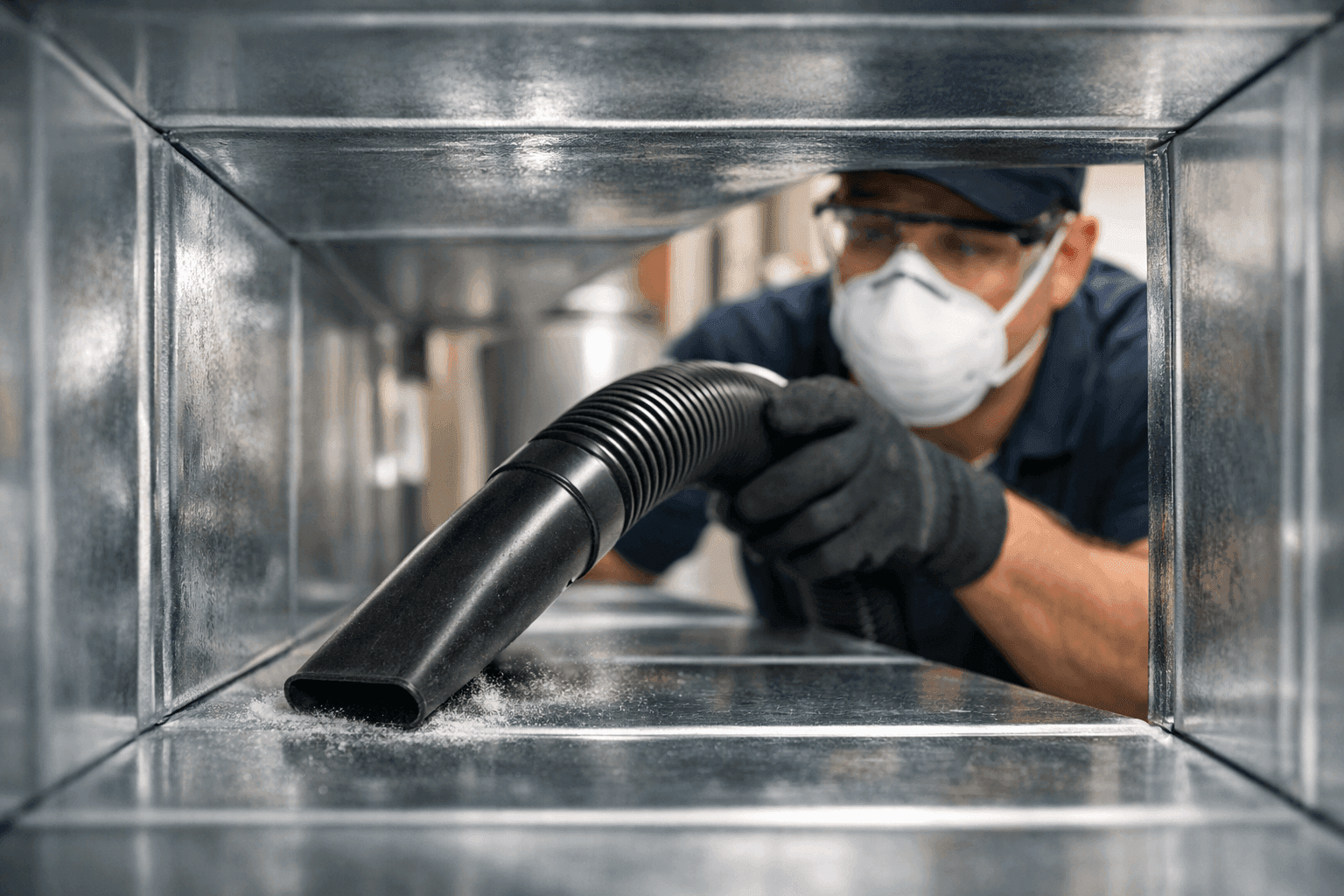
Dust. It’s everywhere. It sneaks in through windows, settles on fans, and finds a home inside your HVAC system. It doesn’t just make you sneeze—it can hurt your cooling and indoor air quality too.
At Right On AC, we know how dust creeps into HVAC systems—residential and commercial alike. The good news? A cleaner, healthier system is within reach. Let’s break down why dust builds up and what you can do about it.
Why Dust Builds Up in HVAC
Imagine your HVAC system as the lungs of your property. Every hour, it pulls in air—and whatever’s floating in that air comes along for the ride. Dust comes from outdoors, shoes, pets, even skin cells. Over time, it settles in ductwork, filters, and on sensitive parts.
Here’s why dust is so persistent:
- Poor filtration: Low-quality or overdue filters let particles slip through.
- Leaky ducts: Holes and gaps act like secret doors for attic or crawlspace dust.
- High humidity: Moist air makes dust stickier, clinging to metal and plastic inside.
- Neglected cleaning: Out of sight, out of mind—until dust clogs things up.
The more dust, the harder your cooling works. That means bigger energy bills and more wear on your system.
Prevention—Filters, Cleaning, Sealing 🧰
Stopping dust is a bit like keeping rain out of your living room: you need solid barriers and routine repairs.
Upgrade your filters. Not all filters are equal. Check your system’s manual for the right Minimum Efficiency Reporting Value (MERV) rating. Higher MERV usually means better trapping of dust and allergens. Change filters every 1–3 months, or sooner if you notice dirt.
Seal your ducts tight. Even small leaks suck in attic insulation fibers, construction dust, and more. A pro can test for leaks and seal them with mastic or specialized tape.
Regular vent and duct cleaning. Dust builds up fastest where air slows down—like in duct elbows and registers. Schedule duct cleaning every few years or more often if you have pets, recent renovations, or allergies.
Don’t ignore surfaces. Wipe down supply and return vents monthly with a damp cloth. Clean nearby floors often—less dust on the ground means less in the air.
When to Schedule Duct Service
How do you know it’s time for a professional visit? Watch for these signs:
- Persistent dust on surfaces, even after cleaning
- Odd smells when your heat or AC kicks on
- Allergy symptoms flaring up indoors
- Visible dust puffs from vents when the system starts
- Recent construction, smoke, or water damage
The U.S. Environmental Protection Agency (EPA) recommends duct cleaning if you suspect mold, pests, or excessive dust. For most homes and businesses, every 3–5 years is a good starting point, but high-traffic properties may need more frequent service.
DIY Cleaning Tips (And When to Call for Help) 🧹
You can take steps to keep dust at bay between professional cleanings:
- Vacuum around vents: Use a brush attachment to gently clean vent covers and the area around them.
- Swap filters regularly: Mark your calendar or set reminders on your phone.
- Check and clean drip pans: Especially in humid climates, mold can grow if pans stay wet.
- Gently wipe registers: A microfiber cloth picks up more dust than paper towels.
But: Never reach deep into ducts or handle internal HVAC parts unless you’re trained. Complex cleaning needs the right tools—high-powered vacuums, rotary brushes, and safety equipment.
Quick Safety Checklist
Before you start any cleaning:
- Turn off the system at the thermostat and breaker.
- Use a sturdy ladder for high vents—never stand on furniture.
- Wear a dust mask and gloves if you’re sensitive to allergens.
- If you spot mold, pests, or insulation debris, call a professional. These need special handling.
DIY vs. Call a Pro
Changing filters and wiping vents are easy wins. But if dust keeps coming back, or if there’s a musty smell or visible buildup, pros have the equipment to go deeper. Professional duct cleaning uses HEPA vacuums, negative air pressure, and specific brushes to clear stubborn dust without making a mess.
What Pros Do On Arrival
When you schedule duct cleaning with Right On AC, our team:
- Inspects your entire system for leaks, blockages, and damage
- Uses specialized vacuums and agitation tools
- Seals off sections to prevent dust from spreading
- Checks filters, humidifiers, and dehumidifiers for optimal performance
We follow National Air Duct Cleaners Association (NADCA) standards for safety and thoroughness.
Prevention & Maintenance
Beyond cleaning, prevention is your best tool. Consider these steps:
- Install a high-performance air scrubber: These devices use UV light or filters to capture even smaller particles.
- Upgrade to smart thermostats: Smart systems can remind you when it’s time for maintenance or filter changes.
- Schedule regular HVAC maintenance: Professional tune-ups catch small problems before they become big, dusty headaches.
- Check your humidity levels: Use dehumidifiers or humidifiers as needed to keep air at 30–50% relative humidity.
Costs & Time Factors
Duct cleaning and filter upgrades are investments in your health and comfort. Most professional duct cleaning jobs take 2–5 hours for a standard house, longer for large or commercial spaces. Filter costs range from a few dollars for basic types to $30+ for high-efficiency models.
When It’s an Emergency
If you notice a sudden spike in dust, strange noises, or a burning smell, shut down your system. Call for 24-hour emergency service—this could signal a serious blockage or electrical issue.
FAQ: Common Dust Questions
Can I use “washable” filters?
Washable filters seem convenient, but they’re usually less effective at trapping small dust. Disposable pleated filters catch more particles.
Does duct cleaning help allergies?
Yes—by removing dust, pollen, and mold, you’ll likely breathe easier.
How often should I replace filters?
Every 1–3 months is best. If you have pets or allergies, check monthly.
Seasonal Considerations 🌦️
Dust levels change with the seasons. Spring brings pollen, summer and fall mean open windows, and winter can dry out dust, making it airborne. Adjust your cleaning and filter schedule as needed.
Common Mistakes to Avoid
- Waiting too long: Dust doesn’t disappear on its own.
- Choosing the wrong filter size: Air sneaks around poorly fitting filters.
- Skipping professional maintenance: DIY only goes so far.
- Ignoring humidity: Too much or too little affects dust and comfort.
Signs Your System Needs Attention
If you notice:
- Weak airflow
- Hot or cold spots in rooms
- A spike in energy bills
- Sneezing or coughing indoors
…your system might need more than a filter change. Schedule an inspection to keep things running right.
Timeline & Disruption
Most filter swaps and vent cleanings take under 15 minutes. Duct cleaning may require access to attic or crawl spaces and will run longer. We work with your schedule to keep disruption minimal.
Materials & Equipment
For basic care, you’ll need:
- Replacement filters (Filters)
- Vacuum cleaner with a brush attachment
- Microfiber cloths
- Screwdriver (for vent covers)
Pros use commercial-grade vacuums, rotary brushes, and inspection cameras.
Looking for Reliable Cooling Services?
If you’re searching for a cooling company that puts your comfort and air quality first, Right On AC is ready to help. From duct cleaning to filter upgrades, we keep your system dust-free and running strong.
Call Right On AC now — or reach us anytime at 888-836-1269 .