How to Prevent HVAC Breakdowns During Peak Seasons
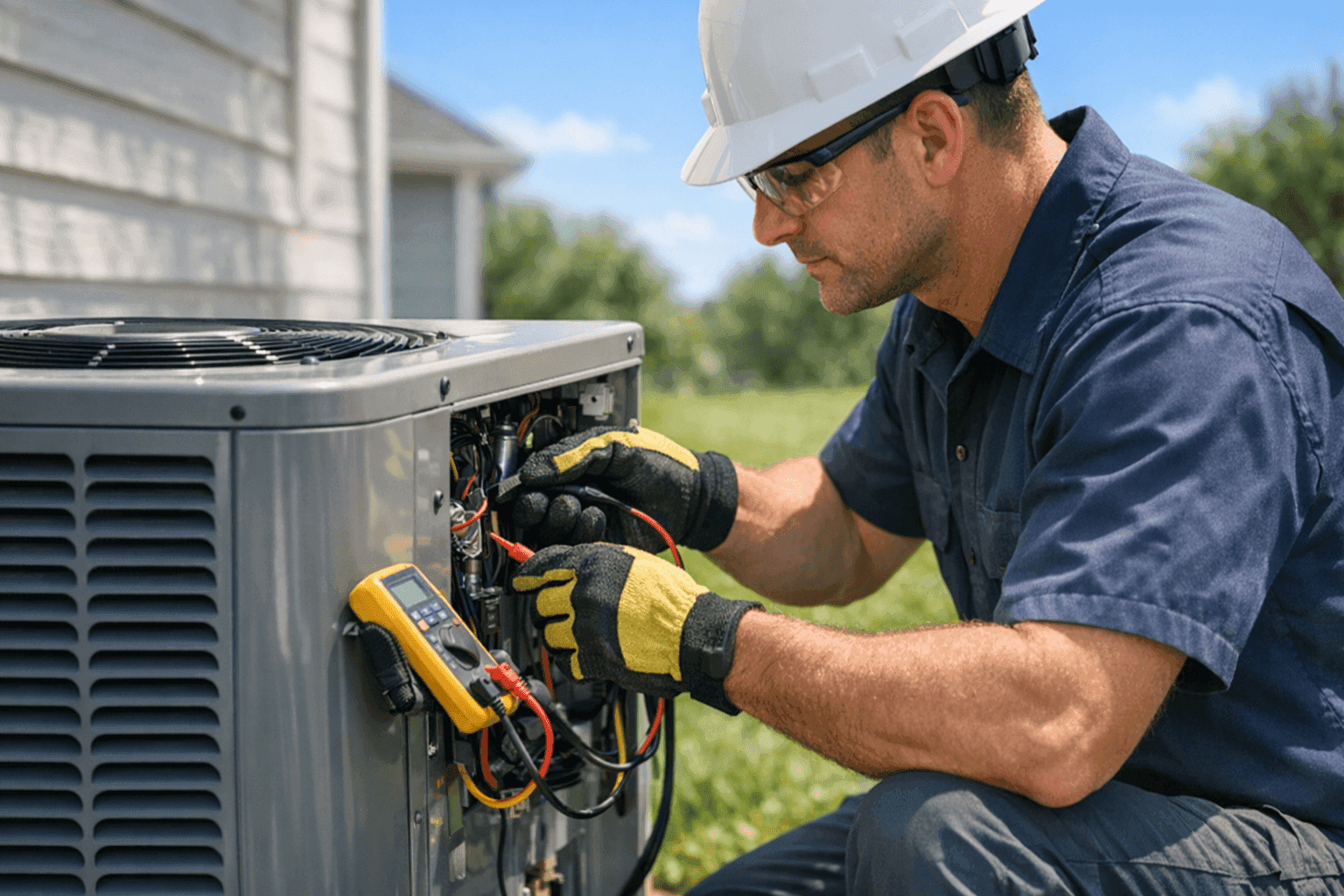
When the heat waves hit or a cold snap rolls in, your comfort shouldn’t depend on luck. At Right On AC, we know the frustration of an HVAC breakdown right when you need cooling or heating the most. Emergencies can happen, but most can be avoided with the right habits and timely care.
Here’s how homeowners and businesses can avoid the stress, expense, and discomfort of system failures, keeping your space cool and safe all year.
Why Breakdowns Happen in Peak Season 🌡️
Peak seasons push your HVAC system to its limits. Think of your system like a runner in a marathon—sudden sprints in extreme weather can cause wear and tear faster than you’d expect.
Overloads, Neglect, Age
- Overloads: During a heatwave, everyone cranks up the AC. That surge in demand can overload motors, trip breakers, and overheat compressors.
- Neglect: Skipping regular hvac-maintenance is like never changing the oil in your car. Dust, grime, and wear build up quietly until something snaps.
- Age: Older units lose efficiency and stamina. Components simply can’t keep up with modern demands and may falter under pressure.
Top Prevention Steps
The best way to stop a breakdown? Don’t give trouble a chance to start.
Maintenance, Cleanings, Upgrades
- Schedule Regular Maintenance: An annual tune-up keeps your system running efficiently. Our techs check refrigerant, tighten connections, inspect electrical components, and lubricate moving parts.
- Clean Filters & Ducts: Dirty filters make your system work harder, wasting energy and risking breakdown. Replace filters every 1-3 months. Professional duct cleaning removes allergens and dust that can suffocate airflow.
- Upgrade Old Equipment: If your system is over 10-15 years old, consider a replacement. Modern units are more reliable and energy-efficient.
- Install Surge Protectors: Protect sensitive electronics in your HVAC system from summer storms and outages. This is especially smart if you’ve had Generator Installation near you.
- Check Thermostats: Malfunctioning thermostats can overwork your system. Programmable or smart thermostats offer better control and efficiency.
When to Schedule Service
Don’t wait for the first scorchers or frosts—book maintenance before the rush. Spring and early fall are ideal. That way, you’ll secure a spot before schedules fill up.
If you notice strange noises, weak airflow, or uneven temperatures, don’t put off a checkup. Small problems can snowball fast, leading to major repairs.
Quick Safety Checklist
- Test carbon monoxide detectors if you have gas heat.
- Keep vents and returns clear of furniture, rugs, or drapes.
- Ensure outdoor units are free of debris, weeds, or leaves.
- Double-check that backup generators are maintained.
DIY or Call a Pro?
Some care is simple: swapping filters, keeping vents clear, checking batteries in the thermostat. But for refrigerant issues, electrical repairs, or deep cleanings, always call a licensed professional. HVAC systems can be dangerous if mishandled.
What Pros Do on Arrival
When you call Right On AC, our crew arrives ready. We:
- Inspect coils, compressors, blowers, and condensate lines.
- Test safety controls and calibrate the thermostat.
- Review airflow and check for duct leaks.
- Run system diagnostics to catch hidden issues.
This thorough approach keeps your system ready for anything.
Seasonal Considerations
Summer heat and winter chill each bring unique risks. Before summer, focus on cooling—clean coils, calibrate thermostats, and check refrigerant. Before winter, ensure heat exchangers are safe and that humidifiers or dehumidifiers are working.
Costs & Time Factors
Preventive care is an investment that pays off. A maintenance visit is a fraction of the cost of emergency repairs or replacement. Plus, regular ac-maintenance extends the life of your equipment, reduces energy bills, and helps prevent sudden failures.
When It’s an Emergency
If your system stops working during extreme heat or cold—especially for families with young children, seniors, or medical needs—call for 24 Hour Emergency Service. Unusual smells, smoke, or sparks? Shut off the power and get help immediately.
Common Mistakes
- Ignoring small warning signs like rattles or drips.
- Blocking vents with boxes or curtains.
- Skipping seasonal checkups.
- Forgetting to replace filters.
- DIY repairs on complex components.
Signs of Trouble
Watch for:
- Unusual noises—buzzing, rattling, or grinding.
- Weak or uneven airflow.
- Sudden spikes in energy bills.
- Short cycling (system turns on/off rapidly).
- Musty or burning odors.
Catch these early to avoid bigger problems.
Timeline & Disruption
Routine maintenance usually takes about an hour for most homes. Commercial systems might take longer, but skilled teams minimize disruption. You’ll know exactly what to expect before any work begins.
Materials & Equipment
Quality matters—insist on certified filters, manufacturer-approved parts, and up-to-code installation practices. The National Air Duct Cleaners Association and Air Conditioning Contractors of America set important standards for health and safety.
Air Quality Counts
Peak season or not, indoor air quality matters. Services like IAQ Testing, Air Scrubbers, and proper Ventallation help keep your space healthy, reducing allergens, mold, and viruses.
Proactive Care Saves Money—and Stress
A little prevention goes a long way. Regular maintenance, timely upgrades, and smart monitoring keep breakdowns at bay. Whether you need filters, generator maintenance, or full system checks, Right On AC is here to help.
For those searching for reliable cooling company service, see our cooling services page for more info.
Ready to keep your home or business comfortable, safe, and efficient all year? Call Right On AC now — or reach us anytime at 888-836-1269 .