How to Prevent HVAC Breakdowns During Power Surges
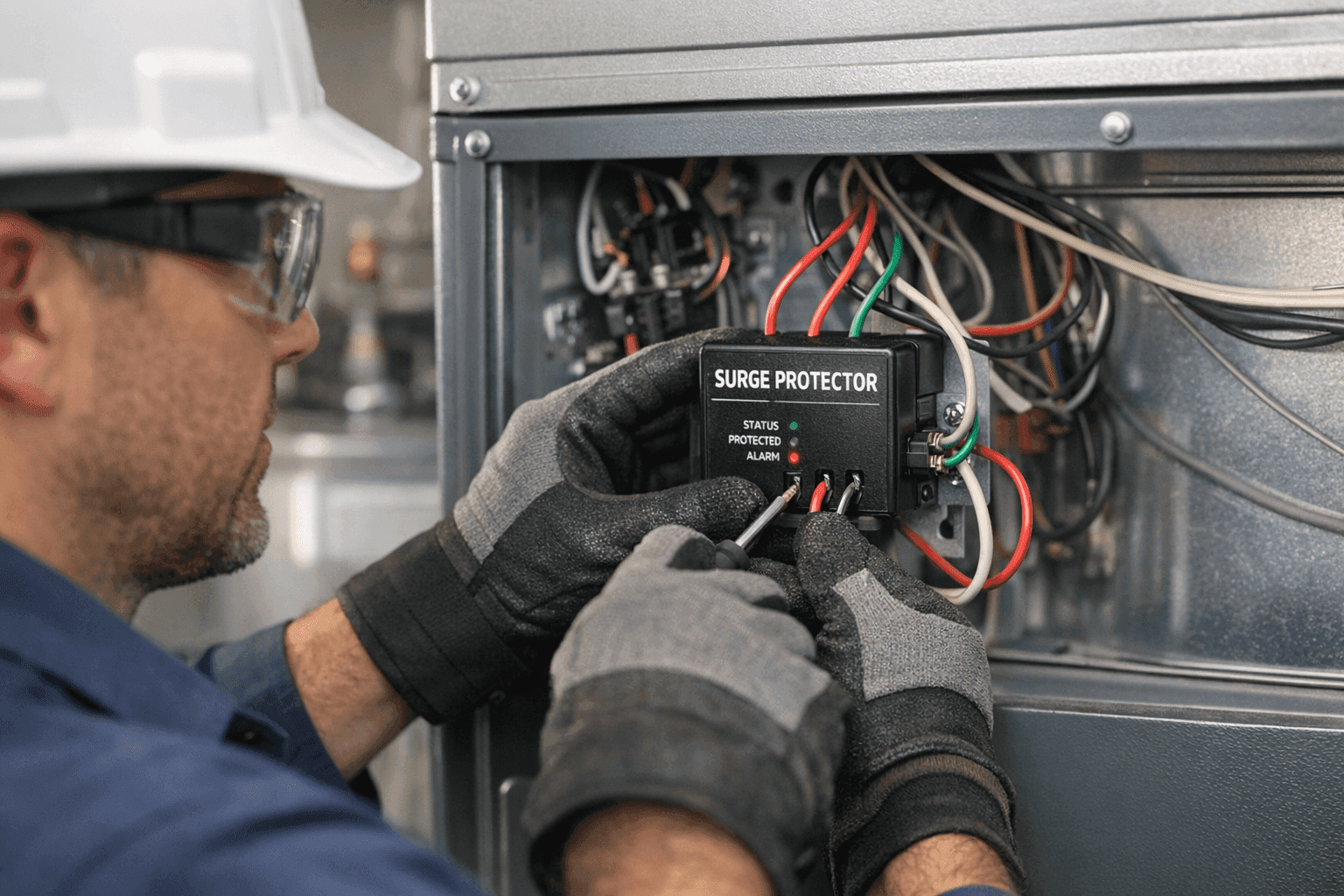
Staring down the barrel of a thunderstorm or blackout, your first worry is probably the lights. But what about your cooling system? When power surges hit, HVAC units are often the first and most expensive casualties. At Right On AC, we’ve seen the aftermath—fried circuit boards, scorched wires, comfort systems knocked out for days.
Let’s make sure your home or business never faces that headache. Here’s the straight talk on protecting your HVAC (and wallet) when the grid gets unpredictable.
Why Power Surges Damage HVAC
A power surge is like a lightning bolt sneaking in through your wires. It can last less than a blink, but the havoc it wreaks lingers much longer. Your HVAC’s circuit boards, motors, and compressors aren’t built to handle those sudden jolts of electricity.
When a surge hits:
- Sensitive electronics get zapped, burning out tiny components.
- Motors can overheat, windings melting from the sudden energy spike.
- Thermostats and smart controls become unresponsive or die entirely.
Even if your system seems to survive, weakened parts can fail months later. The cost? Sometimes it’s a quick repair, sometimes it’s a whole new system—just because of one bad second.
Surge Protection Basics ⚡
Surge protection for HVAC is like a helmet for a quarterback. It doesn’t stop the hit, but it makes sure your system can walk away afterward.
There are two main types:
- Whole-house surge protectors: Installed on your main electrical panel, these shield every circuit—including your cooling system.
- Dedicated HVAC surge protectors: Installed right at the unit, these offer a second layer of defense.
Good surge protection is UL 1449 listed—this code means it’s been tested for real-world spikes. Always check for this stamp of approval.
Preparing for Storms and Outages
Clouds rolling in? Don’t wait until the thunder cracks. Here’s how to make sure your HVAC is ready:
- Install a surge protector on your main panel and at your HVAC unit.
- Unplug non-essential electronics during storms, but leave the HVAC protected and powered if you have a generator.
- Schedule regular HVAC maintenance to spot weak wiring or aging circuit boards before a surge finds them.
If you rely on backup power, search for "Generator Installation near you" to ensure your generator is professionally sized and safely connected.
Quick Disaster-Prep Checklist
Storms don’t send invitations. Here’s a fast checklist before the next big one:
- Test your generator—run it for at least 15 minutes.
- Change or check your HVAC air filter.
- Make sure outdoor units are clear of debris and secure.
- Inspect surge protectors for indicator lights—replace if off.
- Know where your breaker panel is and how to safely shut down power if needed.
When to Call a Pro
Some fixes are DIY-friendly—changing a filter, flipping a breaker. Surge protection isn’t one of them. Electricity is unforgiving. If your HVAC:
- Won’t start after a surge
- Trips the breaker repeatedly
- Smells burnt or clicks but doesn’t run
…it’s time to bring in a professional. A licensed technician will check for hidden damage and code compliance. According to the National Electrical Code (NEC 2023), surge protection for new installations is now required in many states.
Signs Your HVAC Was Hit by a Power Surge
Not every surge leaves obvious scars. Watch for:
- The thermostat resets or flashes error codes.
- The HVAC hums but doesn’t blow cold air.
- Fuses or circuit breakers trip without warning.
- A faint burnt smell from vents or the unit.
If you notice any of these, shut the system off and call for an inspection. Keeping things running could make the damage worse.
Seasonal Surge Strategies
Summer storms and winter blackouts are tough on cooling and heating alike. In peak seasons:
- Double-check your surge protection before storm season.
- Book an HVAC Maintenance appointment before extreme weather arrives.
- Keep a spare filter handy—clogged filters make your system work harder, increasing risk during power blips.
Generator Backup: Worth It for HVAC?
For many homes and nearly all businesses, a backup generator is the only way to keep cooling during outages. But not all generators are created equal. Choose one that:
- Has enough wattage for your entire HVAC load.
- Is installed with a transfer switch—never run a generator through a regular outlet.
- Gets regular Generator Installation inspections.
A properly installed generator and surge protection combo is your best insurance against downtime.
DIY vs. Professional Installation
Swapping out a surge protector or installing a generator is never a “just plug it in” job. Doing it wrong can void equipment warranties—or worse, cause a fire. Always use a licensed technician who follows National Fire Protection Association (NFPA) and local electrical codes.
Maintaining Your Surge Protection
Surge protectors don’t last forever. Lightning and everyday surges wear them down over time. Schedule annual checks, especially after big storms. Look for indicator lights on your protector—if it’s out, it’s time for a replacement.
What Pros Do On Arrival
When we arrive after a surge, our process usually looks like this:
- Inspect the electrical panel and all surge devices.
- Test voltage and check for damaged wiring.
- Open the HVAC unit to look for scorched or failed parts.
- Recommend repairs or replacement as needed.
We always follow guidelines from the Air Conditioning Contractors of America (ACCA) and the National Electrical Code for safe, thorough inspections.
Common Mistakes Homeowners Make
- Skipping surge protection because “it’s never happened before.”
- Using cheap power strips instead of real surge protectors.
- Letting debris pile up around the outdoor unit, making it more vulnerable.
- Failing to test or maintain backup generators.
A little prevention is worth a lot of peace of mind.
Timeline & Disruption: What to Expect
Most surge protection installations take just a couple of hours. Generator installations can run a day or more, depending on site conditions. During repairs, your system may need to be off for safety—but we’ll always explain what’s happening and get you comfortable again fast.
Power Surges and Commercial Cooling
Businesses lose more than comfort during an outage—they lose money. A surge can bring down servers, spoil inventory, or halt production. For commercial spaces, consider:
- Commercial-grade surge protection.
- Dedicated circuits for critical cooling systems.
- Scheduled maintenance with documentation for insurance.
Stay Ready, Stay Cool
It doesn’t take much to shield your HVAC from the next power surge. With a few smart upgrades and regular maintenance, you can keep your space comfortable year-round—no matter what the weather throws at you. If you’re looking for a trusted cooling contractor, we’re here to help. For those in Santa Clara, our cooling company page has more info on local services.
Call Right On AC now — or reach us anytime at 888-836-1269 .