How to Prevent Legionella and Bacteria in HVAC Systems
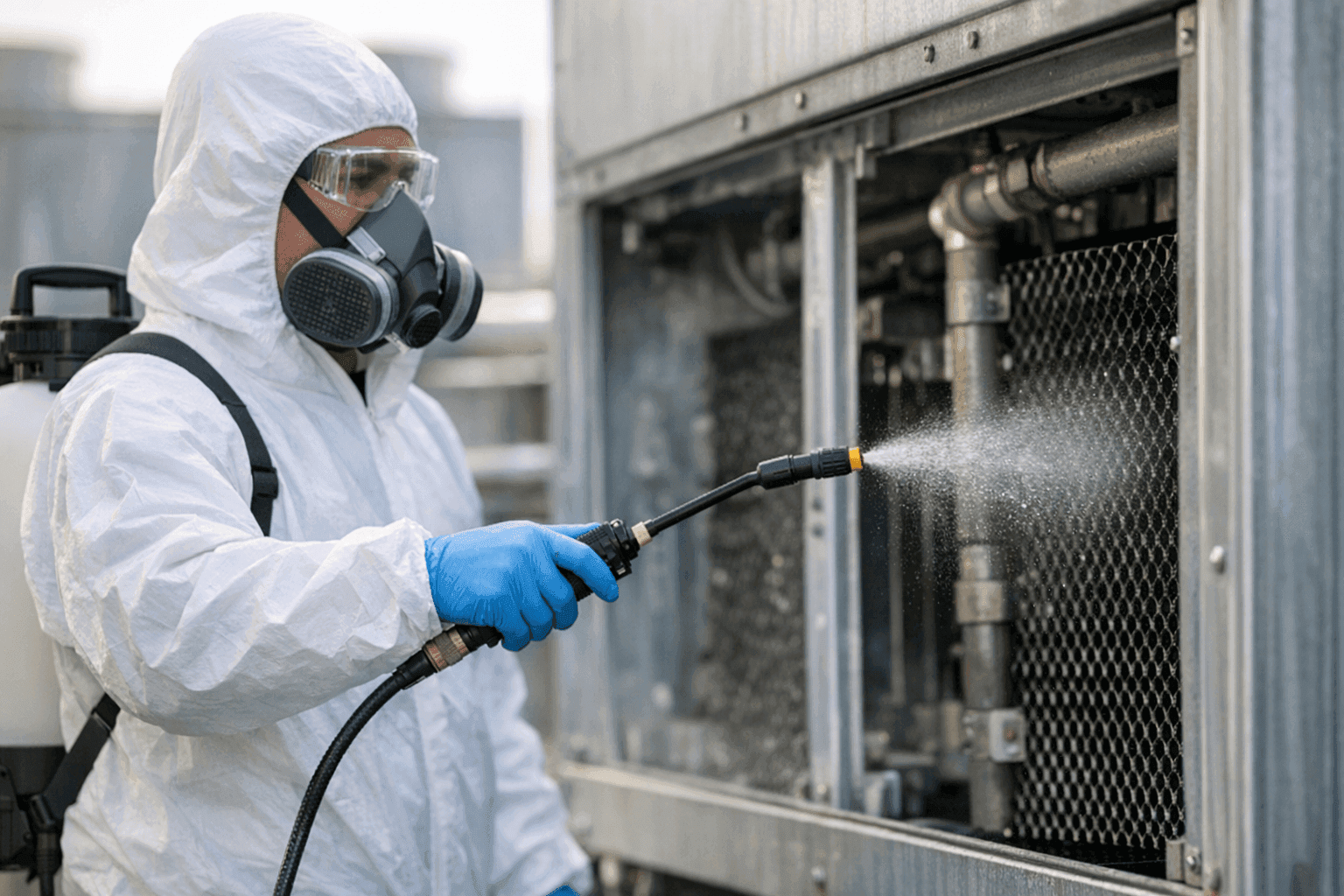
Stale air. Musty smells. A faint tickle in your throat. Sometimes these are just signs your HVAC needs a little attention. But sometimes, they’re warning bells for something more serious—like Legionella bacteria lurking in your cooling system.
At Right On AC, we know you’re not just looking for comfort. You want your home or business to be truly safe. Let’s dig into why Legionella matters, how it sneaks into your HVAC, and what you can do to keep your air fresh and healthy year-round.
What is Legionella? 🦠
Legionella is a type of bacteria found naturally in freshwater. But when it finds a cozy, damp spot—like the inside of an HVAC cooling tower—it can multiply quickly. Breathing in tiny droplets contaminated with Legionella can lead to Legionnaires’ disease, a serious form of pneumonia, especially dangerous for older adults, smokers, or those with weakened immune systems.
The Centers for Disease Control and Prevention (CDC) and OSHA warn that even a small amount of Legionella can pose a risk if conditions are right. In short: if your cooling system isn’t clean, it could become a breeding ground.
Risks in Cooling Systems
Your HVAC system is like the lungs of your building. When it’s healthy, everyone breathes easy. But stagnant water, dirty filters, and neglected ductwork provide the perfect habitat for bacteria.
- Cooling towers and evaporative condensers are most at risk.
- Warm, stagnant, or slow-moving water—think drip pans, humidifiers, or neglected pipes—encourage Legionella growth.
- Poor ventilation and buildup of dust or organic matter act like a buffet for bacteria.
Both commercial and residential systems can fall prey. It only takes a little neglect for trouble to brew.
Preventive Maintenance Steps
The good news: a smart maintenance plan keeps Legionella out of your system and out of your air. Here’s how:
- Regular HVAC Maintenance: Schedule professional HVAC maintenance at least twice a year. This includes inspecting cooling towers, drains, and humidifiers for signs of buildup or stagnant water.
- Duct Cleaning: Dust, debris, and moisture in your ductwork can fuel bacteria growth. Duct Cleaning removes this hidden risk.
- Disinfect and Treat Water: EPA-approved biocides or disinfectants can be used in cooling towers, following manufacturer and safety instructions.
- Filter Changes: Replace air filters as recommended (often every 1–3 months). Dirty filters trap moisture and organic matter.
- Monitor Water Temperature: Keep cold water below 68°F (20°C) and hot water above 140°F (60°C) where possible—Legionella thrives between these temps.
- Check for Leaks: Moisture means opportunity for bacteria. Fix leaks in pipes, drip pans, or around HVAC equipment immediately.
Consult resources like the CDC’s “Developing a Water Management Program to Reduce Legionella Growth & Spread in Buildings” for detailed protocols.
Signs of Contamination
Don’t wait for a health scare. Watch for these warning signs your cooling system might be contaminated:
- Musty, earthy, or moldy odors from vents
- Visible slime, rust, or buildup in cooling towers or drip pans
- Unexplained respiratory symptoms among occupants
- Water pooling or damp spots near HVAC equipment
- Unusual humidity or condensation indoors
If you spot any of these, act fast. It’s not just comfort on the line—it’s your health.
Quick Safety Checklist ✅
A healthy HVAC system isn’t complicated. Stay ahead with this simple checklist:
- Inspect and clean cooling towers and evaporative condensers monthly during cooling season.
- Drain and clean humidifiers regularly.
- Change or clean filters per manufacturer’s instructions.
- Keep records of all maintenance and inspections.
- Schedule annual Duct Cleaning for optimal system health.
DIY vs. Call a Pro
Some maintenance tasks are safe to do yourself—like changing filters or checking for visible leaks. But tackling bacteria or chemical treatment? That’s risky. Trained HVAC professionals have the tools and training to inspect, clean, and disinfect safely, following industry standards like ASHRAE 188 and OSHA guidelines.
What Pros Do On Arrival
When our team arrives for service, here’s what you can expect:
- Thorough inspection of cooling towers, coils, and pans
- Testing water quality and temperature
- Applying safe, approved disinfectants if needed
- Cleaning and vacuuming ductwork
- Checking all vents and returns for mold or debris
We document every step, so you know your system is getting the care it needs.
Prevention & Maintenance: Make It a Habit
Prevention is like brushing your teeth—do it regularly, and you avoid big problems down the road. Set reminders for filter changes. Keep a log of service visits. Ask your HVAC technician about water treatment options for cooling towers or large equipment.
Costs & Time Factors
Worried about the cost? Preventive maintenance is almost always less expensive than emergency decontamination—or worse, a health incident. Most routine checks and cleaning take just a few hours, and you can usually stay open for business.
When It’s an Emergency
If anyone in your building has respiratory symptoms and you suspect HVAC contamination—don’t wait. Shut down the suspect system and call a professional immediately. Fast action can protect everyone.
FAQ: Your Legionella Questions Answered
Is Legionella only in big commercial systems?
No—residential cooling systems can also harbor bacteria if neglected.
Do filters stop bacteria?
Filters catch many particles, but bacteria can slip through if filters are old or the system is dirty.
How often should I clean my ducts?
At least once a year, or sooner if you notice dust, odors, or visible buildup.
Seasonal Considerations
Legionella risk climbs with the mercury. Summer heat, humidity, and heavy cooling use combine for a perfect storm. Schedule major inspections before peak season, and keep up with filter changes during heavy use.
Common Mistakes to Avoid
- Ignoring minor leaks or condensation
- Skipping filter changes
- Failing to document maintenance
- Relying on “set it and forget it” thermostats—automation doesn’t replace a watchful eye
Signs of Trouble: Don’t Ignore Your Nose
If your cooling system starts to smell “off,” don’t chalk it up to the weather. Musty odors are often the first sign that moisture and bacteria are teaming up behind the scenes.
Timeline & Disruption: What to Expect
Most routine maintenance can be done in a single afternoon. Deep cleaning or decontamination may take longer, but your technician will explain the schedule and any disruptions.
Materials & Equipment
HVAC pros use commercial-grade disinfectants, HEPA vacuums, and water-testing kits—tools that get deep into your system for a true clean. Trying to DIY without the right gear risks spreading contamination.
Stay Ahead of Bacteria—With Right On AC
Your safety is worth more than guesswork. With regular HVAC maintenance and professional inspection, you can keep Legionella and other bacteria out of your cooling system—and out of your air.
Call Right On AC now — or reach us anytime at 888-836-1269 .