How to Prevent Mold Growth in HVAC Systems
Is there a musty smell when your AC kicks on? Maybe you’ve seen odd black spots on supply vents or felt your allergies spike indoors. Mold in HVAC systems isn’t just a nuisance—it’s a real health risk and a sign your cooling system needs attention.
At Right On AC, we know what it’s like to worry about the air you breathe. Mold can creep in quietly, but with the right steps, you can keep it out for good.
Why Mold Grows in HVAC
Think of your HVAC as the lungs of your building. It pulls in air, filters it, cools or heats it, and sends it back out. But just like lungs, HVAC systems love moisture and warmth—exactly what mold thrives on. When condensation forms on coils, inside ducts, or around vents, it’s open season for mold spores.
Even a tiny leak or high indoor humidity can turn your ductwork into the perfect greenhouse. According to the U.S. Environmental Protection Agency (EPA), indoor relative humidity above 60% ramps up the odds for mold growth. AC systems, mini-splits, and even whole-house fans can all be at risk if moisture isn’t controlled. 🌡️
Signs of Mold Problems
Mold rarely shouts. It whispers. Be alert for these warning signs:
- Persistent musty, earthy, or sour odors—especially when the AC runs
- Black, green, or white spots on vents, drip pans, or inside ducts
- Increased coughing, sneezing, or allergy symptoms indoors
- Condensation or visible water stains near HVAC units
- Unexplained headaches or fatigue after time spent indoors
If you spot any of these, don’t ignore them. Mold can spread quickly, making clean-up tougher and costlier.
Prevention Steps—Humidity, Cleaning, Inspections
Stopping mold is like tending a garden: regular care, the right tools, and a watchful eye. Here’s how to keep your system mold-free:
Control Humidity
- Keep indoor humidity between 30–50%. Use a hygrometer to monitor levels.
- Install dehumidifiers in damp areas like basements or crawlspaces. This is especially important if you notice condensation on windows or pipes.
- Ventilate bathrooms and kitchens with exhaust fans to reduce moisture buildup.
Routine Cleaning
- Change HVAC filters regularly—every 1–3 months, or more often if you have pets or high dust.
- Schedule professional duct cleaning at least every 3–5 years, or whenever you notice musty smells or visible debris. See our duct cleaning service for details.
- Wipe down supply and return vents with a mild cleaner to remove dust and spores.
Scheduled Inspections
- Get annual HVAC maintenance to catch leaks, clogs, or standing water before they become problems. Check out our HVAC Maintenance for what’s included.
- Inspect drain pans and condensate lines for standing water or clogs.
- Look for insulation gaps in ductwork that can lead to condensation and water pooling.
The Role of Air Filters and Purifiers
Air filters aren’t just for dust. High-quality filters trap mold spores before they enter your living spaces. Upgrade to HEPA or MERV-13 filters for extra protection. Air scrubbers and UV lights can also help reduce airborne mold, especially in high-humidity climates.
Duct Cleaning: A Hidden Hero
Your ducts are like highways for air—and, if you’re not careful, for mold. Dust buildup is the perfect food for mold spores. By keeping ducts clean, you cut off mold's meal supply. Regular duct cleaning is especially important for older buildings or if you’ve had water leaks in the past.
Dehumidifiers: Your Secret Weapon
Dehumidifiers are like umbrellas for your home’s air. They quietly pull moisture from the air, making it hard for mold to find a foothold. Portable units work for single rooms. Whole-house dehumidifiers, installed alongside your HVAC, protect your entire space. If you’re unsure which is right for you, our dehumidifiers guide can help.
When To Call a Pro
Sometimes, DIY just isn’t enough. Call a professional if:
- You see or smell mold inside ductwork or on HVAC components
- There’s standing water near your air handler or furnace
- Allergy symptoms persist despite cleaning and filter changes
- Your system is over 10 years old and hasn’t had a recent inspection
A pro can safely remove mold, clean ductwork, and recommend upgrades to prevent future problems. At Right On AC, we’re experienced in all system types—residential and commercial.
What Pros Do On Arrival
When our techs arrive, they don’t just look—they investigate. Here’s what to expect:
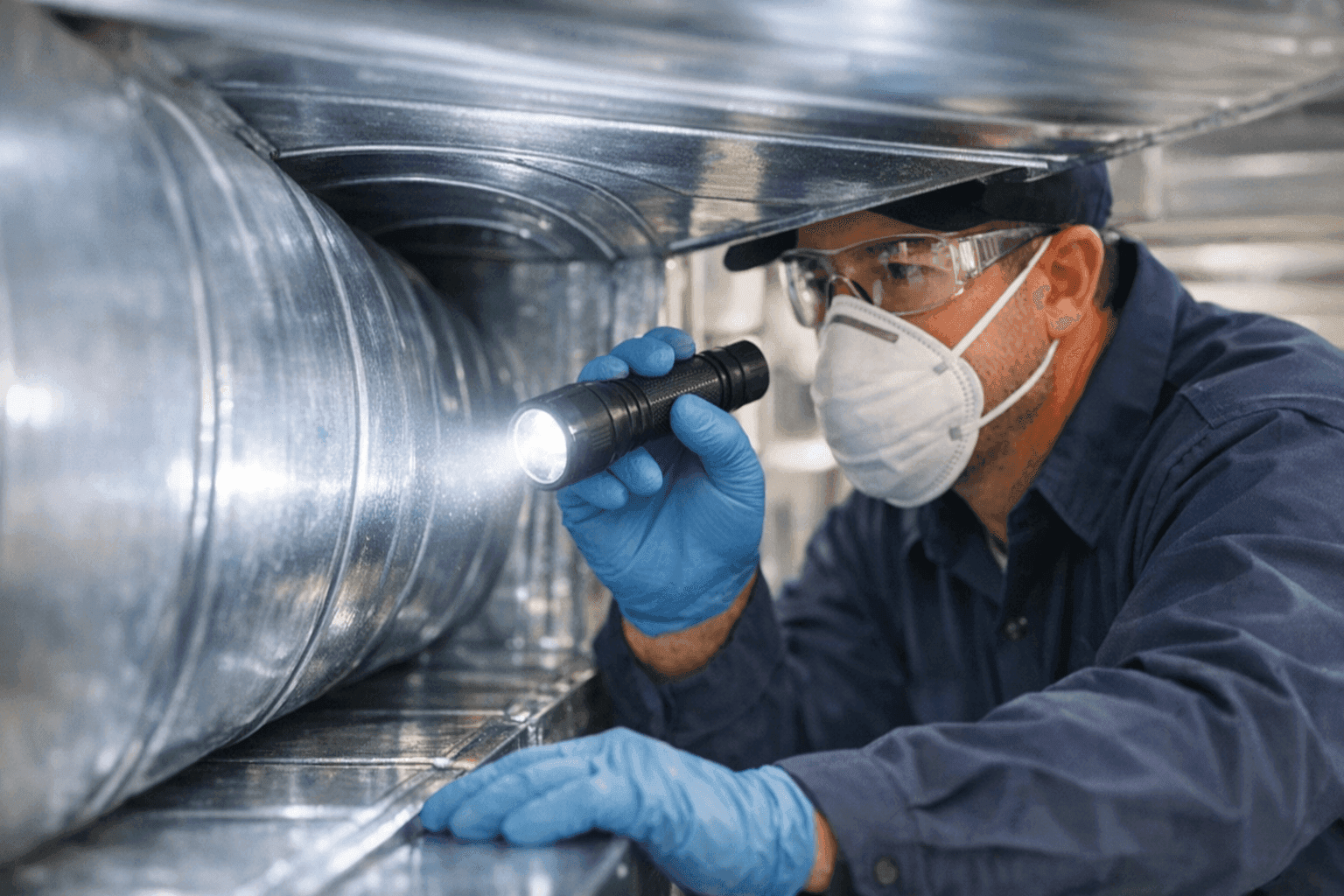
- Inspect coils, drip pans, ductwork, and insulation for mold or moisture
- Test humidity levels and air quality
- Clean ducts and replace or upgrade air filters
- Recommend repairs or improvements if leaks or drainage issues are found
We follow guidelines from the National Air Duct Cleaners Association (NADCA) and the EPA so you can breathe easy.
Quick Safety Checklist
- Never spray bleach or harsh chemicals directly into your HVAC system
- Turn off your system before inspecting or cleaning
- Wear gloves and a mask if cleaning vents with visible mold
- If in doubt, call a professional—mold spores can be harmful
DIY vs. Pro: What’s Worth Doing Yourself?
You can change filters, clean visible vents, and monitor humidity. But if you suspect mold inside ducts or see water collecting near equipment, that’s a job for trained technicians. Mold cleanup inside HVAC systems requires specialized tools and protective equipment.
Mold and Your Health: Why It Matters
Mold isn’t just ugly—it’s a health hazard. According to the Centers for Disease Control and Prevention (CDC), mold exposure can trigger asthma, allergies, and other respiratory issues. Children, seniors, and those with weakened immune systems are especially vulnerable.
Seasonal Mold Risks
Mold doesn’t take vacations. Spring and summer are prime times, thanks to warmer temps and higher humidity. After heavy rain or snowmelt, check your system for leaks or standing water. Schedule HVAC maintenance before the season changes to catch problems early.
Costs & Disruption: What to Expect
Preventive maintenance is almost always less expensive than major mold remediation. Annual service typically takes a few hours and keeps your system running smoothly. If mold removal is needed, plan for temporary disruption—especially in commercial settings.
Common Mistakes to Avoid
- Ignoring early warning signs (musty smells, allergy spikes)
- Skipping annual HVAC inspections
- Using cheap filters that don’t trap mold spores
- Letting water leaks linger
Real-World Timeline for Prevention
- Monthly: Change or check filters, wipe vents
- Seasonally: Inspect for leaks, test humidity, check for condensation
- Annually: Schedule full HVAC maintenance and duct cleaning
For Homes and Businesses Alike
Whether you manage an office, a storefront, or your family’s home, mold prevention is everyone’s business. Clean, dry air keeps employees healthy and families safe. If you’re searching for a reliable cooling company or need Generator Installation near you, Right On AC has the know-how to help.
For those in the area, our Duct Cleaning services are available and ready to keep your air fresh.
Final Thoughts
Mold in your HVAC system doesn’t have to be a nightmare. With a few smart steps, regular maintenance, and help from the pros at Right On AC, you can keep your air clean, safe, and comfortable all year round.
Call Right On AC now — or reach us anytime at 888-836-1269 .