How to Prevent Overloading Your Generator
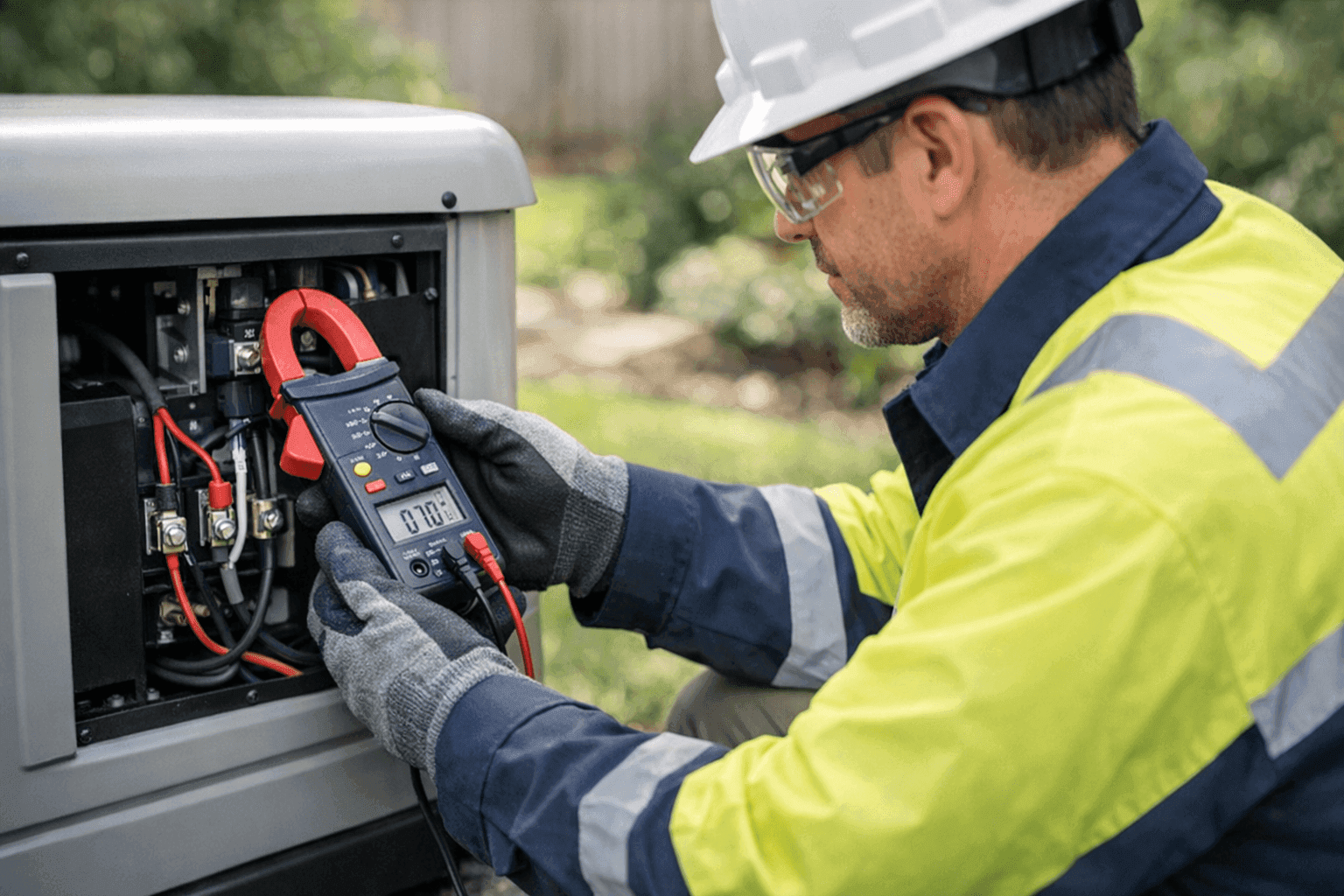
When the lights flicker and the world goes quiet, there’s nothing quite like the low hum of a generator kicking in. But with that relief comes a responsibility—a delicate balance between keeping the essentials running and risking overload. At Right On AC, we see what happens when that balance tips the wrong way.
A generator is a lifeline in a storm, but overloading it is like piling too many passengers into a small boat. Eventually, something gives. Here’s how to keep your generator running safely, so your home or business stays powered up when it matters most.
Dangers of Overloading Generators ⚠️
Overloading isn’t just a technical term—it’s a real risk. When your generator is pushed past its limits, things can get hot fast. Here’s what’s at stake:
- Fire hazards: Overheating parts can ignite nearby materials.
- Permanent generator damage: Burnt windings and fried components are expensive to fix.
- Device damage: Sensitive electronics can be destroyed in a power surge.
- Power loss: The generator may shut down, leaving you in the dark at the worst moment.
The National Fire Protection Association (NFPA) and Occupational Safety and Health Administration (OSHA) both warn about improper generator use. Overload is one of the biggest mistakes. That’s why understanding your generator’s limits isn’t optional—it’s essential.
How to Calculate Safe Load
Think of your generator’s wattage rating as the weight limit on an elevator. Go over, and it just won’t budge—or worse, it breaks. Here’s how to stay within safe limits:
- Find Your Generator’s Rating: Look for the maximum (surge) and running (continuous) wattage. The lower number is your day-to-day ceiling.
- List Your Devices: Write down everything you want to run. Include essentials like the fridge, sump pump, lights, and HVAC systems.
- Check Wattage: Each device has a label with its wattage. Add them up.
- Don’t Forget Startup Loads: Many appliances—especially cooling equipment—need extra power to start. This “surge” can be double the running wattage.
- Never Exceed 80%: For safety and longevity, keep your total under 80% of the generator’s rated load.
If you’re not sure about the math, a licensed electrician or cooling specialist can help. The U.S. Department of Energy offers calculators and guidance for households, too.
Prioritizing Essential Circuits 🔌
When power is limited, it’s time to make choices. Not everything needs to run at once. Here’s how to avoid overload by focusing on what’s truly essential:
- Critical Appliances: Refrigerator, medical equipment, sump pump, security systems.
- Lighting: Stick to energy-efficient LEDs and only light the rooms you need.
- Cooling and Heating: Only operate one HVAC system at a time, or use fans/mini-splits for targeted comfort.
- Work Equipment: In commercial settings, prioritize vital machinery and IT systems.
Consider installing a transfer switch with circuit selection. It’s like giving your generator a precise job description—no confusion, no overload.
Quick Safety Checklist
Before you start your generator, run through this quick list:
- Is the generator on a stable, dry surface outdoors?
- Are extension cords rated for generator use?
- Have you unplugged non-essential items?
- Is your transfer switch set for essential loads only?
- Are all vents and exhausts clear?
A few minutes of checking can save hours—or even lives.
Common Mistakes That Lead to Overload
Everyone’s in a hurry when the lights go out. But it’s easy to fall into these traps:
- Plugging in too many devices at once
- Forgetting about high-startup appliances (like AC units)
- Ignoring manufacturer ratings
- Using long, undersized extension cords (they heat up and waste power)
- Overlooking hidden loads (sump pumps, water heaters)
Be methodical. Slow down, double-check, and your generator will thank you.
Signs of Trouble: How to Spot Overload Early
Generators rarely just stop—they complain first. Watch for these red flags:
- Dimming or flickering lights
- Unusual noises or vibration
- The generator stalls or shuts down unexpectedly
- Burning smells or visible overheating
If you notice any of these, turn off non-essential loads immediately. If symptoms persist, shut down the generator and call a pro.
Prevention and Maintenance: Your Best Defense
Routine maintenance is like a seatbelt—it feels simple, but it protects you when things go wrong. Here’s what we recommend at Right On AC:
- Regular generator maintenance every season
- Cleaning air filters and intake vents
- Checking oil, coolant, and fuel levels
- Inspecting load connections and outlets
- Testing with a load bank (simulated full load) at least once per year
Maintenance isn’t a luxury. It’s the difference between a smooth recovery and a costly outage.
Seasonal Considerations: Adjusting for Weather
Winter storms and summer heatwaves strain your backup power. Cooling appliances and heaters draw more power. Plan ahead:
- In summer, stagger AC or fan usage—never run central cooling with other large loads.
- In winter, prioritize heating, but avoid running space heaters and electric ranges together.
Review your load list with each season. Adjust as your needs change.
DIY vs. When to Call a Pro 🛠️
It’s tempting to “just plug it in.” But safe generator operation is more like flying a small plane than driving a car. If you’re unsure about:
- Wiring a transfer switch
- Calculating your load
- Hearing odd noises or seeing warning lights
Don’t risk it. Electrical codes (like NEC 700 and NFPA 110) are there for a reason. A professional can spot issues you might miss.
Need help? Our generator installation team is always ready.
What Pros Do On Arrival
Wondering what happens when you call in a cooling contractor? Here’s what we do:
- Inspect the generator and all wiring
- Measure actual load using specialized meters
- Check transfer switches and safety interlocks
- Test under simulated load
- Advise on safe operation and future upgrades
You get peace of mind—and a generator that’s ready for anything.
Timeline & Disruption: What to Expect
Worried about downtime? Most inspections and load calculations take under two hours. Repairs or upgrades may require parts, but we aim to keep your business or home running smoothly.
Materials & Equipment: What You’ll Need
- Generator (properly sized)
- Heavy-duty, outdoor-rated extension cords
- Transfer switch
- Surge protectors
- Fire extinguisher nearby—just in case
Ask your installer about recommended brands and ratings for your specific needs.
Costs & Time Factors
Staying under your generator’s limit can actually save you money. Overload leads to breakdowns, which cost far more than a little planning. A safe setup may mean a modest investment in switches or wiring, but it pays off in reliability.
When It’s an Emergency
If your generator shuts down suddenly, overheats, or you smell burning—turn it off. Don’t try to restart. Call a professional immediately. Your safety always comes first.
For urgent cooling or generator help, our 24-hour emergency service is here for you.
FAQ: Generator Overload
Q: Can I just “unplug things” if my generator is overloaded?
A: Yes, but the safest approach is to shut down the generator first, unplug non-essentials, then restart.
Q: Do I need a bigger generator?
A: Only if your needs exceed the current unit’s safe load. An energy audit can help you decide.
Q: How do I know if my generator is big enough for cooling and heating?
A: Add up the wattage of your HVAC, plus other essentials. Factor in startup loads. When in doubt, consult a pro.
Why Right On AC? Your Generator—and Your Safety—Matter
You don’t have to juggle all this alone. At Right On AC, we bring years of cooling and generator experience to every job. Whether you’re a homeowner, a business, or just planning ahead, we keep your power—and your comfort—running without worry.
Ready to get your generator checked, upgraded, or installed? We’re just around the corner, so if you need Generator Maintenance in the area, check out our Generator Maintenance page for more info.
Call Right On AC now — or reach us anytime at 888-836-1269 .