How to Protect Your HVAC System During Power Outages
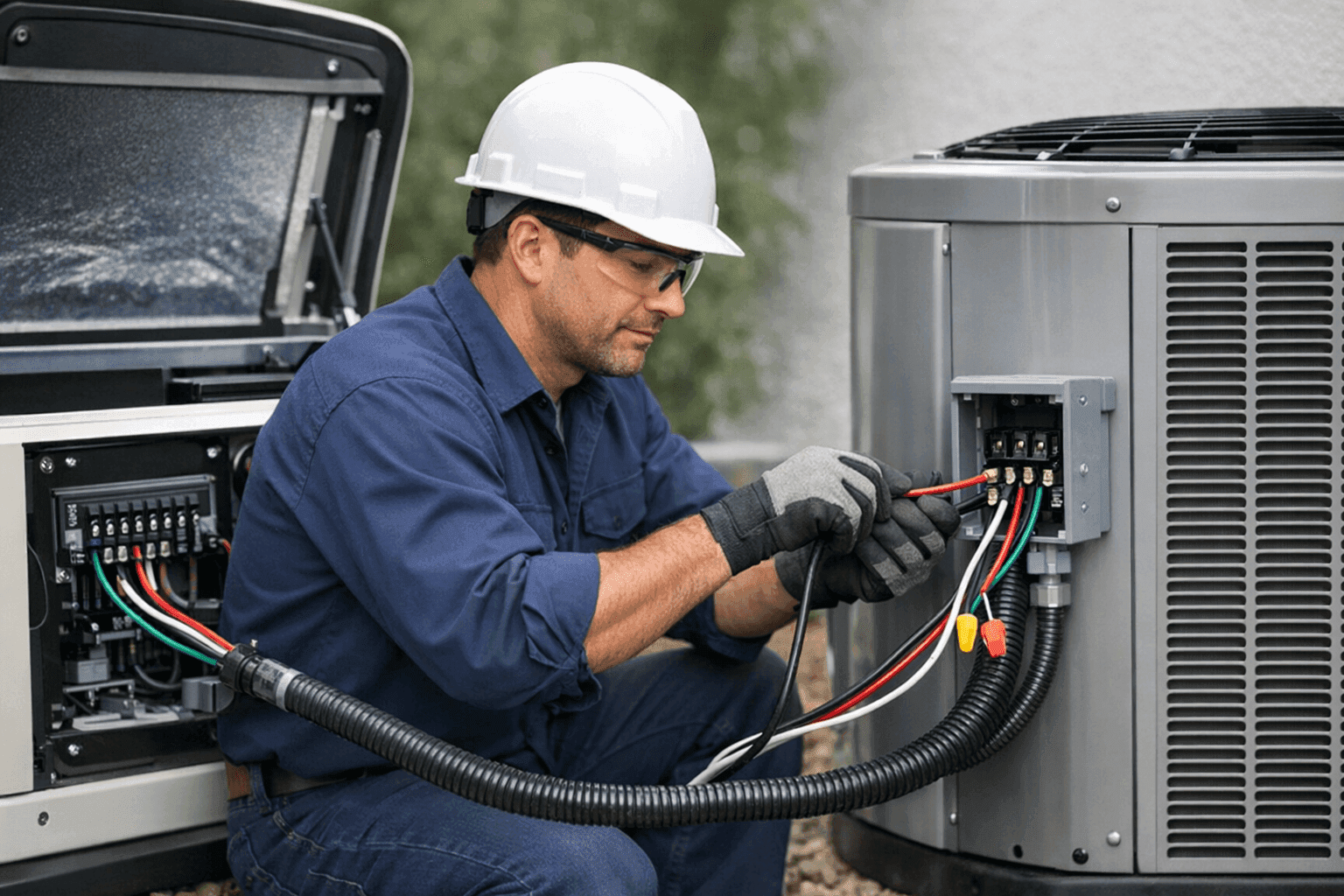
When the lights flicker and everything goes quiet, your heart might skip a beat. Power outages test more than your patience—they put your home or business’s comfort and safety on the line. At Right On AC, we know how a sudden blackout can threaten your HVAC system. It’s more than a hassle. It can turn into a costly repair if you’re not prepared.
Let’s talk about how you can keep your cooling and heating system safe, even when the grid goes down. Simple steps now can save you hours of discomfort—and a wallet full of repair bills—later.
Risks Power Outages Pose to HVAC ⚡
A power outage is more than a temporary inconvenience. Your HVAC system is like the heart of your indoor climate. When power cuts off suddenly, it’s like slamming the brakes on a moving car—there’s stress and potential damage:
- Electrical Surges: When the power returns, a surge can fry sensitive HVAC electronics.
- System Short Cycling: Power flickers confuse your system, leading to hard starts and wear.
- Frozen Coils or Flooding: Sudden shutdowns can leave moisture where it shouldn’t be.
- Loss of Air Quality: Without airflow, IAQ (indoor air quality) drops fast—especially in humid climates.
According to the National Fire Protection Association (NFPA), electrical malfunctions are a leading cause of home fires. Safeguarding your equipment is about safety as much as comfort.
Quick Safety Checklist Before a Storm
Preparation is your best defense. Here’s a quick go-to list:
- Test your backup generator (if you have one).
- Install surge protectors on your main panel and HVAC equipment.
- Set thermostats to a comfortable level before storms hit.
- Secure outdoor units—clear branches and debris.
- Stock up on air filters.
- Know how to safely shut off your system.
A few minutes now can protect your system when the storm rolls in.
Steps to Protect Your System
1. Shut Off Your HVAC System
If you know a severe storm is coming or the power is flickering, turn off your HVAC at the thermostat and breaker. Imagine it like putting your car in park before a tornado—better safe than sorry.
- Why? Prevents damage when electricity surges back on.
- How? Flip the breaker labeled "AC" or "Furnace." Turn the thermostat off.
2. Use Surge Protection
Think of a surge protector as your HVAC’s umbrella in a downpour of electricity. Install a whole-home surge protector, plus dedicated surge devices for units. This is especially vital for sensitive components in modern systems.
- Right On AC Tip: Schedule a surge inspection as part of your HVAC Maintenance plan.
3. Wait to Restart
Once power returns, don’t rush. Give the system 10–15 minutes before flipping breakers and turning the thermostat back on.
- Why? This pause lets the system stabilize and drains any leftover charge.
- Restart steps:
- Check for unusual odors or noises.
- Inspect outdoor units for debris or flooding.
- Restart at the thermostat.
Generator Backup Benefits
A generator is like a lifeboat for your comfort. When the grid fails, a properly installed generator keeps your cooling and heating running. This matters for:
- Preventing Mold & Humidity: Keeps air moving, especially if you use dehumidifiers or air scrubbers.
- Protecting Food & Electronics: Beyond HVAC, your fridge and tech stay safe too.
- Business Continuity: Critical for commercial properties—no downtime means fewer headaches.
Thinking about "Generator Installation near you"? Right On AC provides seamless setup and ongoing generator maintenance, so you’re never left in the dark. For more, see our Generator Installation service.
DIY vs. Call a Pro
Some things you can do yourself—like flipping breakers or changing filters. But wiring, surge protection, and generator hookups are best left to pros.
-
DIY:
- Change filters
- Clear debris around outdoor units
- Flip breakers if you’re comfortable
-
Call Right On AC:
- Generator installation/repair
- Surge protection setup
- System inspections after outages
If you’re ever unsure, call. Safety comes first.
What Pros Do On Arrival
When our technicians arrive after an outage, here’s what happens:
- Inspect wiring and connections for damage
- Test system voltage and control boards
- Check refrigerant lines and coils for leaks
- Verify airflow and air quality
- Reset and test thermostat programs
We don’t guess. We follow manufacturer and National Electrical Code guidelines.
Prevention & Maintenance: Your First Line of Defense
Routine maintenance is like regular oil changes for your car. You wouldn’t skip those, right? The same goes for your HVAC.
- Schedule bi-annual checkups (before summer and winter).
- Replace filters monthly or as needed.
- Check and clean drain lines.
- Make sure backup power sources work.
Our team offers customizable HVAC Maintenance plans to keep you prepared year-round.
Costs & Time Factors
Downtime is money—especially for businesses. Repairs after an outage can run from a quick fuse replacement to full control board swaps.
- Simple fixes: $100–$300
- Major repairs: $1,000+ for fried components
Prevention is always more affordable than repair.
When It’s an Emergency
If you smell burning, see smoke, or hear loud pops after an outage—shut off your system and leave the area. Call emergency services first, then a licensed HVAC contractor.
National Fire Protection Association (NFPA) codes are clear: never try to repair electrical damage yourself.
Seasonal Considerations
Storms aren’t just a summer thing. Winter outages can freeze pipes, while spring storms bring floods and surges.
- Spring/Fall: Schedule maintenance, check generators.
- Summer: Monitor humidity, test dehumidifiers.
- Winter: Protect pipes and keep filters clean.
Common Mistakes to Avoid
- Restarting your system immediately after an outage
- Ignoring a generator’s maintenance schedule
- Leaving outdoor units surrounded by debris
- Skipping surge protection
A little attention goes a long way.
Signs of Trouble After Power Returns
Be alert for:
- Strange odors (burning or musty)
- Odd noises (buzzing, popping)
- Poor airflow or no cold/hot air
- Thermostat errors or blinking lights
If you spot any of these, call a professional.
Timeline & Disruption: What to Expect
A short outage? Your system might reboot fine. Extended downtime or repeated surges can mean hours—or days—without cooling or heating.
Businesses: Factor in lost productivity and potential inventory spoilage.
Materials & Equipment Checklist
To stay prepared, keep on hand:
- Extra air filters
- Flashlights and batteries
- Surge protectors
- Generator fuel (if applicable)
- Contact info for your HVAC company
FAQ: HVAC and Power Outages
Q: Can I run my HVAC on a portable generator?
A: Generally, no—most portable generators can’t handle the load safely. Always consult with a licensed installer.
Q: How often should I test my generator?
A: Test monthly, and service annually or as the manufacturer recommends.
Q: Does insurance cover HVAC damage from outages?
A: Sometimes, if caused by a covered peril. Check your policy.
Why Choose Professional Help?
HVAC systems are complex. One wrong move can mean more than lost cooling—it can mean safety risks or voided warranties. Our team brings years of hands-on experience, follows all manufacturer and code requirements, and is available 24/7 for emergencies.
If you’re in need of reliable cooling services, Right On AC is here to help you stay comfortable and protected.
Call Right On AC now — or reach us anytime at 888-836-1269 .