How to Reduce Allergens in Your Home’s Air
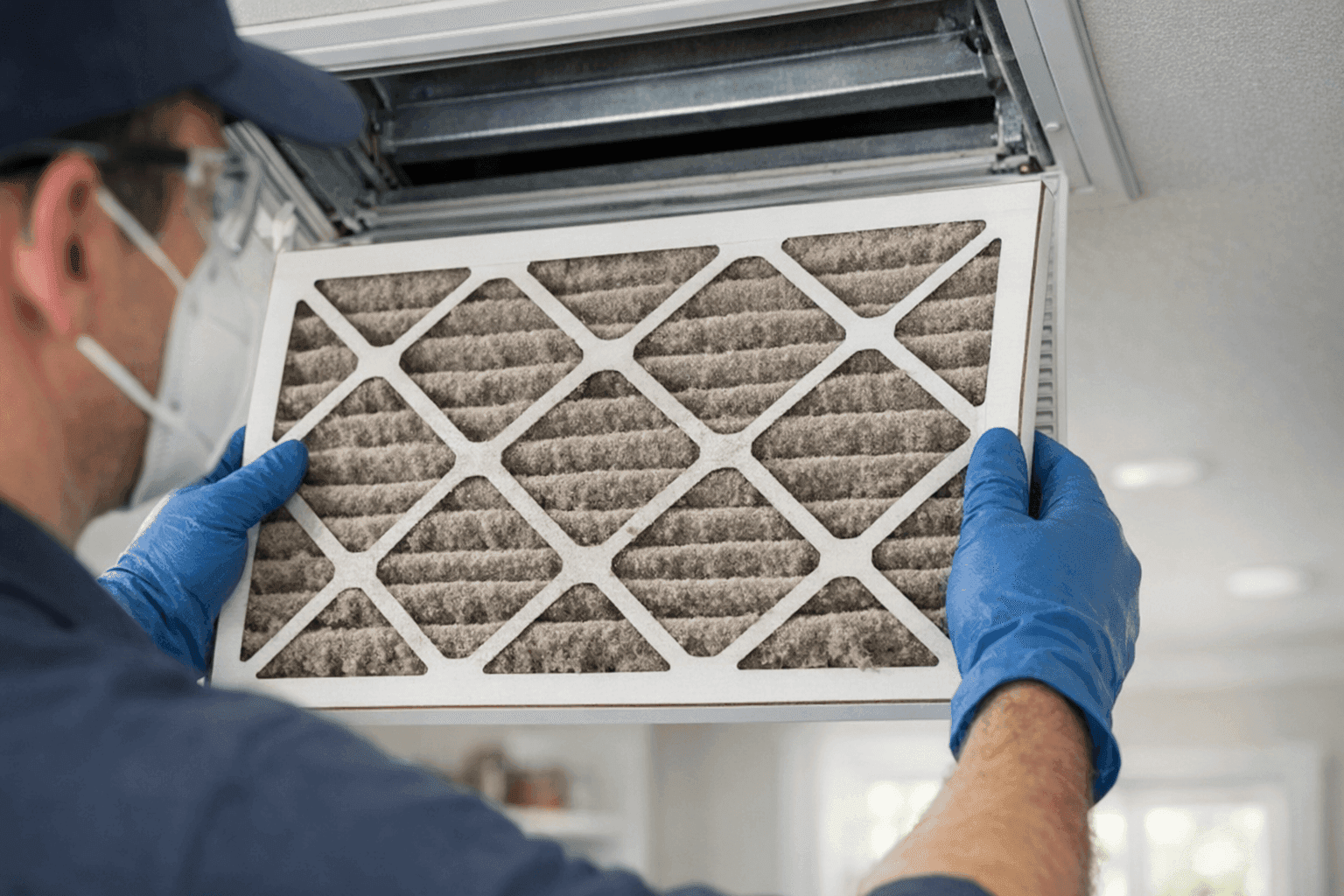
Is allergy season making your home feel like a hayfield? For many families and business owners, sneezing, itchy eyes, and stuffy noses are a daily struggle—not just an outdoor problem. Indoor air can sometimes be even more polluted than the air outside, trapping allergens that trigger uncomfortable symptoms year-round.
At Right On AC, we help people take control of their indoor air. Whether you’re in a bustling office or a cozy living room, knowing how to minimize allergens is a game-changer for your comfort and health.
Main Sources of Allergens Indoors 🌱
Allergens are like invisible guests—always lurking, rarely invited. They sneak in through open doors, ride on your clothes, and settle deep in your home’s air.
Dust, Dander, Mold
- Dust: Think of dust as the attic’s secret handshake. It’s made of skin flakes, fabric fibers, pollen, and more. It collects fast—under beds, behind vents, inside ducts.
- Dander: Pets are family, but their dander (tiny flakes of skin) can float around and trigger sneezing fits.
- Mold: Mold loves damp spots—bathrooms, basements, anywhere moisture lingers. It spreads by releasing microscopic spores into the air.
The EPA and CDC both point out that controlling these sources is key for better indoor air quality.
Solutions—Filtration, Cleaning, Humidity
Reducing allergens is like playing defense in sports. You need a good strategy and the right gear.
- High-Efficiency Filters: Not all filters are created equal. Upgrading to HEPA or MERV 13+ filters can trap finer particles like pollen and pet dander. See our Filters service.
- Air Purifiers and Scrubbers: Standalone air scrubbers or integrated systems zap airborne particles as they pass through your ductwork.
- Proper Ventilation: Fresh air helps dilute indoor contaminants. Use exhaust fans in kitchens and bathrooms.
- Humidity Control: Keep indoor humidity between 30%–50% to slow mold growth and dust mite populations. Dehumidifiers and properly sized HVAC systems can help.
Routine Maintenance Tips 🧰
Stay ahead of allergens with these simple habits:
- Change Filters Regularly: Replace HVAC filters every 1–3 months. Mark it on your calendar.
- Vacuum with HEPA Filtration: Ordinary vacuums can stir up dust. HEPA vacuums trap tiny particles instead of recirculating them.
- Wipe Surfaces Weekly: Use a damp cloth for best results. Dry dusting just moves particles around.
- Control Moisture: Fix leaks promptly. Use vent fans in bathrooms and kitchens to cut down on humidity.
- Schedule Duct Cleaning: Over time, ducts become a hiding place for dust and dander. Professional Duct Cleaning can make a huge difference.
Quick Safety Checklist
A few minutes can protect your air:
- Inspect for visible mold in bathrooms, basements, and around windows.
- Check that filters are seated correctly—no gaps.
- Make sure vents are not blocked by furniture or drapes.
- Test smoke and carbon monoxide detectors regularly.
DIY or Call a Pro?
Changing a filter? That’s a quick win. Tackling persistent mold or musty smells? Time to call in pros with proper training and equipment. Remember, professional HVAC maintenance isn’t just about cooling—it’s about your health.
What Pros Do On Arrival
When Right On AC arrives, here’s what you can expect:
- Inspection of HVAC system for dust buildup and leaks.
- Testing and recommending the right filter type for your home or business.
- Cleaning ductwork and vents as needed.
- Using specialized tools for air balancing and IAQ (Indoor Air Quality) testing.
- Suggesting upgrades like dehumidifiers or air scrubbers if your space needs it.
Prevention & Maintenance
The best offense is a good defense. Prevent allergens from settling in by:
- Keeping windows closed during high pollen days.
- Using doormats and removing shoes inside.
- Regularly washing bedding and curtains.
- Scheduling annual home energy audits to spot inefficiencies that let moisture or allergens in.
Costs & Time Factors
Budget is always a concern. Good news: some changes are free (like cleaning and decluttering). Filter upgrades and duct cleaning are affordable investments that pay off in fewer allergy symptoms and potentially lower medical bills. Most filter swaps or duct cleanings can be done in a single afternoon.
When It’s an Emergency 🚨
Call for immediate help if:
- You spot a sudden mold outbreak.
- Strange smells or visible dust pour from your vents.
- Anyone in your home or business has trouble breathing.
Right On AC offers 24-hour emergency service for cooling and air quality issues.
Seasonal Considerations
Allergen levels rise and fall with the seasons:
- Spring: Pollen invades—keep windows shut.
- Summer: Humidity soars—watch for mold.
- Fall: Dust mites thrive as you turn on the heat.
- Winter: Dry air can irritate lungs—consider a humidifier.
Adjust your home’s routine with the calendar.
Common Mistakes to Avoid
- Skipping filter changes—set reminders!
- Using the wrong filter—size and rating matter.
- Ignoring water leaks—mold moves fast.
- Thinking “out of sight, out of mind” for ducts.
Signs of Trouble
If you notice:
- Persistent odors.
- Dust layer on surfaces soon after cleaning.
- Family, employees, or guests sneezing more indoors than out.
It’s time to act.
Timeline & Disruption
Most maintenance tasks—filter swaps, quick duct inspections—cause minimal disruption. A full duct cleaning may take a few hours, but you’ll be breathing easier for months after.
Materials & Equipment
- HEPA or high-MERV filters
- Dehumidifiers
- Vacuum with HEPA filter
- Microfiber cloths
- Bleach or vinegar solution for mold (never mix chemicals—always follow CDC guidelines)
Professional crews bring advanced tools—like negative air machines and IAQ meters—that go beyond what’s in the average toolbox.
FAQ—Your Questions Answered
How often should I change my filters?
Every 1–3 months, or as recommended by your HVAC manufacturer.
Are air purifiers really worth it?
They help, especially in rooms where you spend most of your time. Choose one certified by AHAM or with a True HEPA filter.
Is duct cleaning necessary?
If you see dust blowing from vents, smell mustiness, or have family members with allergies, yes. Otherwise, follow NADCA guidelines for inspection every few years.
Where can I get reliable indoor air help?
If you’re searching for Duct Cleaning or filter upgrades, Right On AC is always here for you.
Ready to breathe easier? Call Right On AC now — or reach us anytime at 888-836-1269 .