How to Reduce Humidity in Your Home Naturally
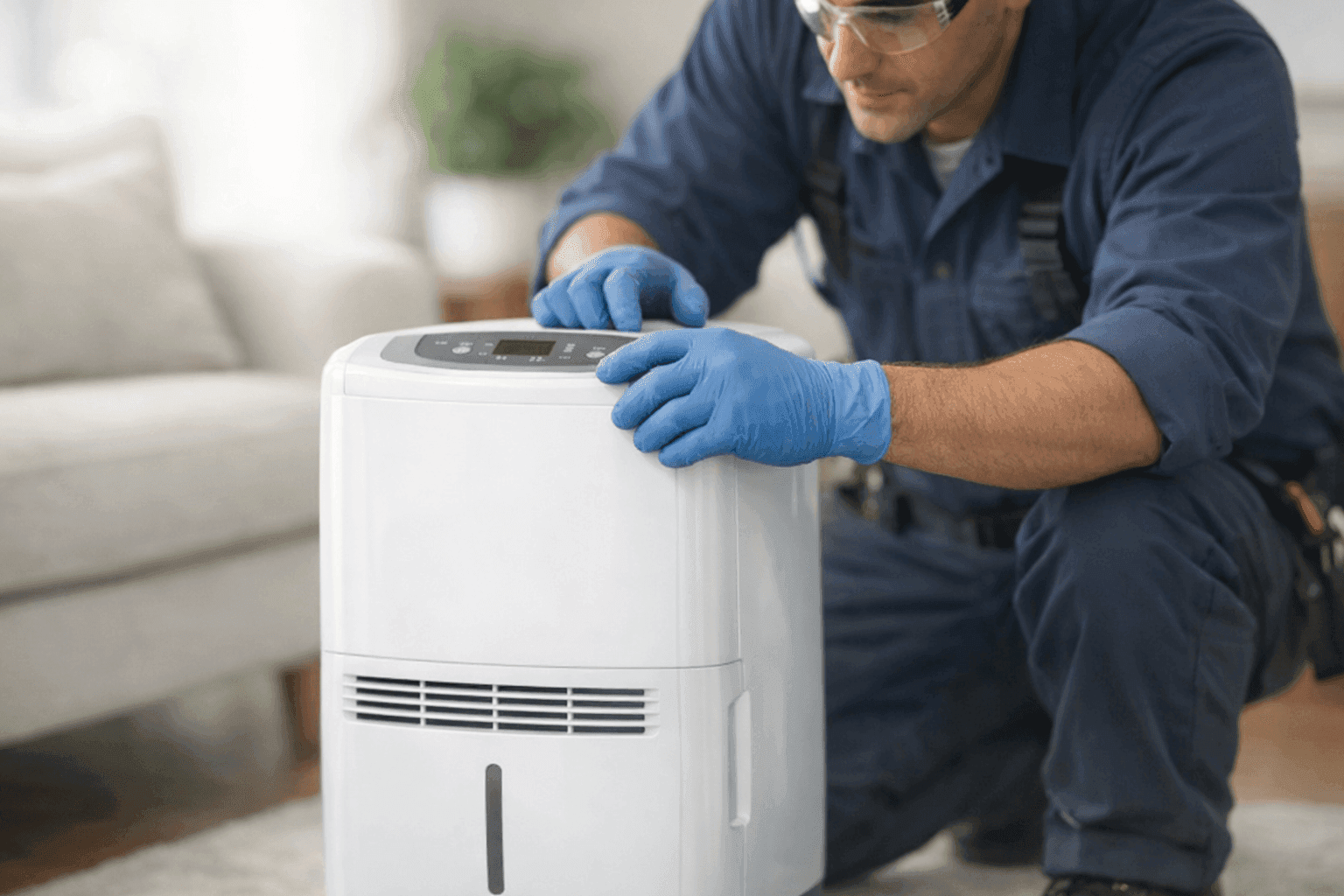
Humidity can sneak up on you. At first, it just feels a bit muggy. Then, before you know it, your home feels sticky, windows fog up, and a musty smell lingers. If you’re tired of battling persistent indoor dampness, you’re not alone—and you’re not powerless.
At Right On AC, we help families and businesses tackle humidity every day. Here’s what you need to know about why your indoor air feels heavy, and what you can do about it—naturally.
Causes of High Indoor Humidity
Humidity in your home isn’t just about the weather outside. It happens for many reasons:
- Everyday activities: Cooking, showering, even breathing adds moisture.
- Poor ventallation: Air that can’t escape gets trapped, building up dampness.
- Leaky windows, roofs, or pipes: Water sneaks in and stays.
- Overwatering plants: Yes, your green friends can add to the problem.
- Foundation issues: Water can seep up from the ground, especially after heavy rain.
Think of your home like a sponge. If it can’t “breathe,” moisture stays inside and soaks in.
The Trouble with Too Much Humidity
Sticky air isn’t just uncomfortable. High humidity can:
- Encourage mold and mildew (bad for your lungs and your walls)
- Warp wood floors and furniture
- Attract dust mites and pests
- Make your AC work overtime
The Environmental Protection Agency (EPA) recommends keeping indoor humidity between 30–50%. Anything higher? It’s time to take action.
Natural Ways to Dehumidify
You don’t need to jump to expensive solutions right away. Start simple:
- Open windows (when weather allows): Let fresh air push out the muggy stuff.
- Use exhaust fans in bathrooms and kitchens: These fans are your first line of defense.
- Hang laundry outside: Skip the indoor drying rack on humid days.
- Shorter, cooler showers: Less steam, less lingering moisture.
- Houseplants: Try Boston ferns or peace lilies. They absorb moisture, unlike some other plants that release it.
- Rock salt or charcoal: Place bowls in damp corners. They’ll quietly soak up excess water from the air.
Small changes, big difference. Try these first—sometimes, it’s all you need. 🌱
How Ventallation Helps
Proper ventallation turns your home from a stuffy box into a breezy space. Without good airflow, moisture just settles and waits. Here’s what proper ventallation looks like:
- Attic vents: Release trapped heat and humidity before it sneaks downstairs.
- Bathroom and kitchen fans: Run them during and after use.
- Whole-house fans: Pull in fresh air and push out the old, humid air.
- Window vents: Even cracked open, windows can make a big impact.
If your home always feels muggy, you might need a ventallation upgrade. Sometimes, a pro’s touch is the quickest fix.
When to Use a Dehumidifier
Sometimes, nature needs a little help. Dehumidifiers are like sponges on steroids—they pull water straight from the air. Consider one if:
- Humidity stays high despite your efforts (above 60%)
- You see mold, mildew, or condensation on windows
- You notice musty smells that won’t go away
- You have allergy or asthma symptoms indoors
Not sure what’s right for your space? Professional dehumidifiers are available in all shapes and sizes for both homes and commercial buildings.
Quick Safety Checklist
Before you make any changes, check these safety musts:
- Make sure all fans and appliances are up to code (per National Electrical Code)
- Clean vents and ducts regularly to avoid blockages
- Fix water leaks ASAP
- Never close off all vents in a room—trapped air can’t escape
Safety matters more than style, every time.
DIY vs. Call a Pro
DIY can go a long way, but not always. Call in a professional if:
- You spot mold patches bigger than your hand
- Humidity stays high no matter what you try
- You suspect hidden leaks or insulation problems
- Your HVAC system isn’t cooling or circulating air properly
Professionals have tools to find the source—and the right fix—without guesswork.
What Pros Do On Arrival
When Right On AC arrives, here’s what happens:
- Measure humidity levels with precision tools
- Inspect for leaks, blocked vents, and insulation gaps
- Test air quality for mold and allergens
- Recommend targeted solutions (from ventallation tweaks to custom dehumidifiers)
No two homes are the same. We look for the root cause, not just the symptoms.
Prevention & Maintenance
Keep humidity in check year-round:
- Change HVAC filters every 1–3 months
- Clean ducts annually (or as needed)
- Schedule regular AC maintenance
- Watch for signs of leaks or water stains
Prevention is easier—and cheaper—than fixing problems later.
Costs & Time Factors
Natural fixes? Usually free or low-cost. Professional solutions like dehumidifiers or ventallation upgrades vary based on:
- Size of your space
- Level of humidity
- Existing equipment
Most installations take just a few hours. Ask for an estimate before starting any big project.
When It’s an Emergency
Humidity isn’t always slow and sneaky. If you experience:
- Sudden flooding or water leaks
- Rapid mold growth
- Electrical concerns (like sparking near water sources)
Call for 24-hour emergency service right away. Waiting can cost you more than time.
Seasonal Considerations
Humidity spikes in summer, but winter has its own quirks. In some places, humidifiers are needed in winter when air gets too dry. Monitor indoor levels year-round.
Common Mistakes
- Ignoring small leaks (“I’ll fix it later”)
- Running AC with windows open (wastes energy and spreads humidity)
- Overwatering plants
- Forgetting to use exhaust fans
Don’t let these simple errors undo your progress.
Signs of Trouble
Watch for these clues:
- Peeling paint or wallpaper
- Buckling floors
- Persistent foggy windows
- Musty or “wet” smells
These mean action is needed—fast.
Timeline & Disruption
Most humidity fixes cause little disruption. Natural methods? No downtime. Professional services? Expect a few hours at most, depending on your setup.
Materials & Equipment
Basic tools:
- Bowls for salt or charcoal
- Working exhaust fans
- Fresh HVAC filters
Professional tools:
- Hygrometers (for measuring humidity)
- Dehumidifiers and air scrubbers
- Ventallation equipment
A little investment goes a long way.
Indoor Air Quality and Your Wellbeing
High humidity isn’t just about comfort. It affects your health, your home, and your peace of mind. For more on how humidity fits into the bigger picture, the EPA’s indoor air quality guidelines offer practical advice.
If you’re in Springfield and searching for cooling company solutions that tackle both humidity and comfort, check out our cooling page.
Reducing humidity can be simple. But if you need a hand—from natural tips to full-scale dehumidifier installation—Right On AC is here for you.
Call Right On AC now — or reach us anytime at 888-836-1269 .