How to Safely Reset Your Circuit Breaker After an HVAC Trip
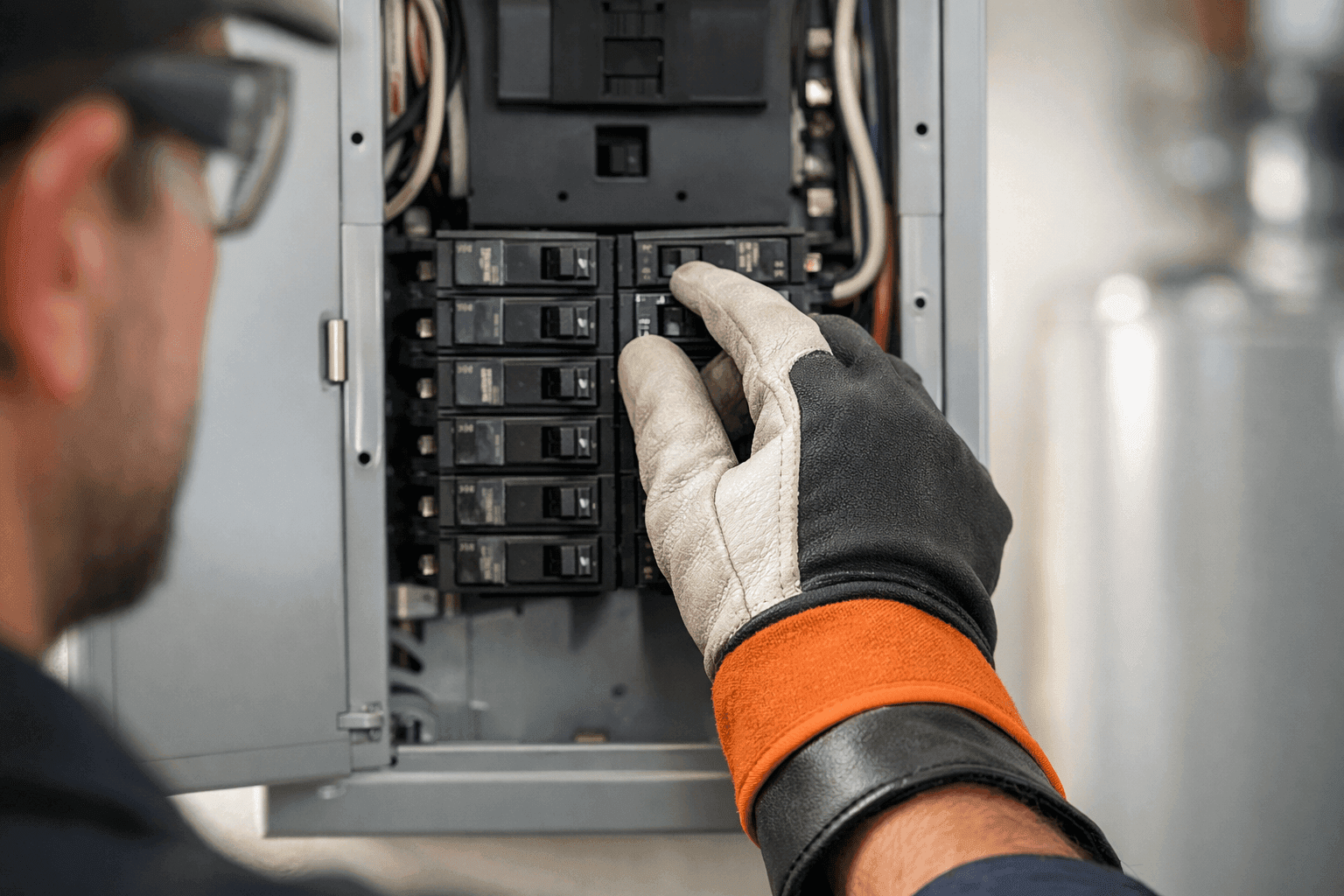
When your cooling suddenly stops on a sweltering afternoon, it’s enough to make anyone sweat. A tripped circuit breaker can leave your home or business stuffy, uncomfortable, and even unsafe. At Right On AC, we know how urgent it feels to get the air flowing again—but safety comes first.
Resetting your breaker can be straightforward. But electricity isn’t something to treat lightly. A misstep could mean more than just another hot day—it could lead to shocks or fire risks. Let’s walk through what you need to know to get your system back online, the safe way.
Why Breakers Trip
Picture your breaker as a lifeguard for your electrical system. When too much current surges through your HVAC or AC unit, the breaker “jumps in” to cut power. This action helps protect you, your equipment, and your wiring.
Breakers can trip for several reasons:
- Overloaded circuits (too many appliances at once)
- Short circuits (wires touching where they shouldn’t)
- Ground faults (electricity taking a shortcut to ground)
- Mechanical problems inside your HVAC system, like seized motors or blocked fans
According to the National Fire Protection Association (NFPA), circuit breakers are critical safety devices that can prevent electrical fires. But when one trips, it’s your cue to pause and investigate—not just flip the switch back up.
Quick Safety Checklist Before Touching Anything ⚡
Before you get hands-on with your breaker box, run through these steps:
- Turn off and unplug your HVAC equipment and any other major appliances on that circuit.
- Make sure your hands are dry—moisture and electricity don’t mix.
- Stand on a dry surface, never on a damp basement floor or near puddles.
- Use a flashlight if visibility is poor; don’t rely on your phone’s flashlight while working inside the panel.
If anything feels off—like a burning smell, a buzzing panel, or visible scorch marks—stop. Don’t reset. This could be a sign of a dangerous problem. Call a pro immediately.
Safe Reset Procedure
Resetting a breaker isn’t just flipping a switch. Here’s how to do it the right way:
- Locate the Tripped Breaker: It’ll be in the “middle” position—not quite on, not quite off.
- Firmly Push to ‘Off’: This resets the internal mechanism.
- Wait Ten Seconds: Give the system a moment.
- Switch Back to ‘On’: Push the breaker fully to the “on” position.
- Power Up Your HVAC: Plug in or turn on your cooling system. Listen and watch for any unusual noises or smells.
If the breaker trips instantly again, stop. That’s a red flag for a deeper issue.
Troubleshooting Persistent Trips
A breaker that keeps tripping is like a smoke alarm that won’t stay quiet—something’s wrong.
- Check for Overloads: Are too many devices on the same circuit? Shift heavy appliances (like space heaters or microwaves) to another outlet.
- Look for Patterns: Does your HVAC trip the breaker only during extremely hot days, or when it first starts up?
- Inspect Filters and Vents: A clogged filter can force your equipment to work harder, increasing electrical draw.
- Thermostat Settings: Sometimes, programming your thermostat too low can tax your system.
If you can’t find a simple cause, call in a licensed technician. Persistent tripping is a job for professionals.
When to Call a Pro
Not everything is a DIY fix. Call Right On AC if:
- The breaker trips immediately after resetting
- You notice burning smells, smoke, or melted plastic
- The panel feels hot to the touch
- HVAC won’t restart, or runs briefly before tripping again
Our technicians know how to safely diagnose and repair issues, following National Electrical Code (NEC) and Occupational Safety and Health Administration (OSHA) guidelines. 24 Hour Emergency Service is always available if you need cooling restored fast, day or night.
DIY vs. Calling a Pro: Where to Draw the Line
You can safely reset a breaker if you follow the steps above and nothing seems amiss. But if you’re unsure—or the problem keeps coming back—it’s time to leave it to the experts. Electricity hides its dangers. A breaker that won’t stay on may signal wiring problems, faulty components, or even a hidden fire hazard.
What Professionals Do on Arrival
When Right On AC arrives, we do more than just reset the breaker. Our process often includes:
- Inspecting your electrical panel for obvious damage
- Testing voltage and amperage draw on your HVAC system
- Checking connections, fuses, and capacitors
- Evaluating your air filter, vents, and ductwork for blockages
- Recommending repairs, upgrades, or HVAC Maintenance plans to keep your system running smoothly
Common Mistakes to Avoid
- Never reset a breaker multiple times in a row. This can worsen underlying issues or cause more damage.
- Don’t use makeshift fixes. No tape, sticks, or “jammed” breakers—those are fire starters.
- Avoid wet hands and floors. Even a little moisture can be deadly.
- Don’t ignore repeated trips. Your breaker is trying to tell you something important.
Signs of Trouble You Shouldn’t Ignore
- Flickering lights when your AC kicks on
- Breakers that feel loose or won’t stay in place
- A “hot” smell or visible scorch marks near your panel
- HVAC system humming or failing to start
These are all signs you need a licensed pro—fast.
Prevention & Maintenance Tips
Regular care can save you from inconvenient (and risky) electrical trips:
- Schedule annual HVAC Maintenance to catch issues early
- Replace or clean your system’s air filters monthly
- Don’t overload circuits—spread out heavy appliances if possible
- Consider a professional home energy audit to spot trouble before it starts
If your panel is older, or you’ve added new appliances recently, ask about Generator Installation near you or an electrical panel upgrade for more peace of mind.
Costs & Time Factors
Resetting a breaker takes less than a minute. But if repairs are needed, costs and time can vary. Minor fixes—like replacing a faulty capacitor—are quick. Major electrical repairs or component replacements may take longer and require special parts.
Most important: don’t rush. Safety always comes first.
When It’s an Emergency 🚨
Some situations can’t wait. If you lose cooling during extreme heat or your business relies on climate control, our 24 Hour Emergency Service is here for you. We treat every urgent call with the priority it deserves.
Timeline & Disruption
Expect minor disruption during troubleshooting—maybe 30 to 90 minutes for a standard assessment. If parts are needed, we’ll explain your options and get you back to cool comfort as soon as possible.
Seasonal Considerations
Summer heat can strain HVAC systems and increase the chance of breaker trips. In winter, heating equipment can cause similar issues. Plan for regular checkups before peak seasons to avoid unwanted surprises.
Frequently Asked Questions
Q: Is it safe to reset the breaker myself?
A: If you follow the safety checklist above and have no warning signs, yes. But if in doubt, call a professional.
Q: Why does my breaker trip only when the AC starts?
A: Starting up draws more power. If your equipment is aging or your wiring is undersized, this could cause trips.
Q: Can a bad thermostat cause a trip?
A: Rarely, but possible if it sends faulty signals or causes short cycling.
Materials & Equipment You’ll Need
- Flashlight (not your phone, for safety)
- Dry shoes and hands
- Knowledge of your breaker box location
- Emergency contact info—just in case
Protecting Your Property and Peace of Mind
Handling circuit breakers safely is as important as keeping your home or business cool. If you’re in need of a reliable cooling company, see how our team of cooling specialists can help on the cooling page for Manhattan.
Call Right On AC now — or reach us anytime at 888-836-1269 .