How to Safely Use a Portable Dehumidifier
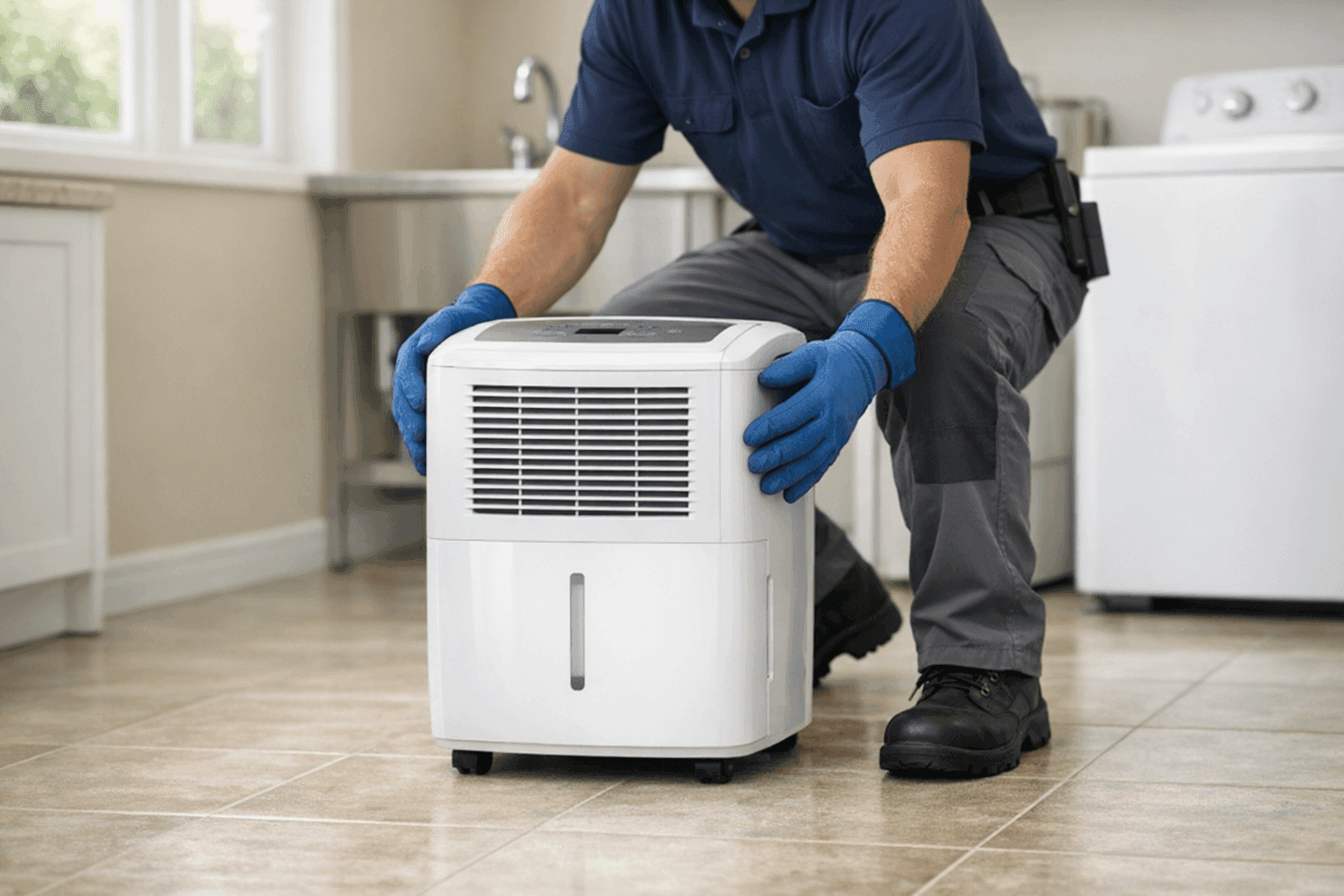
Humidity can sneak up on you. It creeps into basements, laundry rooms, and offices, making the air feel heavy and damp. For homes and businesses, moisture isn’t just uncomfortable—it can lead to mold, odors, and even property damage.
That’s why portable dehumidifiers are a trusted tool for controlling indoor air quality. At Right On AC, we’re here to share proven, safe ways to use your dehumidifier—so you breathe easier, and your space stays healthy.
Dehumidifier Safety Basics 🛑
Before plugging in, pause. Dehumidifiers look simple, but they’re powerful machines. The U.S. Consumer Product Safety Commission and ENERGY STAR both stress the importance of operating them safely to avoid electric shock, fire risk, and water damage.
Start with this quick checklist:
- Read your owner's manual. Every model is different.
- Check the power cord and plug for damage.
- Place on a flat, stable surface.
- Keep away from children and pets.
- Leave space around vents for air to flow.
Think of a dehumidifier like a reliable guard dog: helpful, but only when handled with respect.
Where and How to Place the Unit
Location is everything. Put your dehumidifier where humidity builds up—basements, bathrooms, laundry rooms, or any musty spot. But placement isn’t just about convenience. It’s about safety and performance.
- Away from walls: Keep at least 12 inches of clearance on all sides for airflow.
- Dry, level floor: Never set it on carpet or soft surfaces where it could tip.
- Outlets nearby: Avoid using extension cords, which can overheat.
- No direct sunlight: Heat can mess with the unit’s sensors.
For large spaces, you may need more than one dehumidifier—or a whole-home solution. If you’re unsure, our dehumidifiers service can help match the right setup to your space.
Maintenance and Emptying
Emptying the water tank isn’t just a chore—it’s a safety must. Letting the tank overflow can damage floors and even cause electrical hazards.
- Check the tank daily during humid months.
- Use gloves if you notice mold or buildup in the tank.
- Clean the tank with mild soap and water weekly.
- Rinse air filters every month, or as recommended in your manual.
Some units let you attach a hose for continuous drainage. If so, make sure the hose slopes downward and doesn’t leak. A little attention now saves bigger headaches later.
Electrical Safety Reminders ⚡
Electricity and water are a risky mix. Before you do anything, unplug the dehumidifier.
- Never run the unit with a frayed cord or broken plug.
- Don’t use power strips or extension cords.
- If you see sparks, smell burning, or notice the unit is hot, turn it off and unplug immediately.
All portable dehumidifiers should be plugged into grounded outlets. This isn’t just a suggestion—it’s a National Electrical Code standard. If you’re dealing with old wiring or frequent breaker trips, get a pro to check your system.
Quick Safety Checklist
Before every use:
- Inspect the cord and plug.
- Confirm the tank is empty and clean.
- Ensure the filter is in place.
- Test the controls and humidity setting.
- Make sure the unit is upright and stable.
A five-minute check can prevent hours of stress down the line.
DIY vs. Call a Pro
Portable dehumidifiers are meant for simple, DIY setup. But if:
- You notice water leaks around the unit,
- The circuit keeps tripping,
- There’s visible mold in your HVAC system,
- Or you’re dealing with persistent, high humidity…
It’s time to call in backup. Ongoing moisture may signal a hidden plumbing leak, foundation issue, or problems with your HVAC system. Our team offers indoor air quality testing and advanced solutions if you need more than just a quick fix.
When It’s an Emergency
If your dehumidifier starts making strange noises, overheating, or leaking water onto electrical outlets, shut it down right away. Unplug it. Move it away from anything flammable. Don’t try to repair electrical parts yourself—this is a clear signal to seek professional help.
For situations like severe flooding, sewage leaks, or major mold growth, portable units aren’t enough. Emergency restoration and remediation are needed to protect your health and property.
What the Pros Do On Arrival
When you call Right On AC, our technicians:
- Inspect dehumidifier placement, wiring, and drainage.
- Test indoor air quality and humidity levels.
- Check for hidden leaks or mold growth.
- Recommend repairs or upgrades to improve long-term comfort.
We use tools and techniques that comply with EPA and CDC guidelines for indoor air safety. So you know your home or business is truly protected.
Preventing Common Mistakes
Even well-intentioned users slip up. Here are mistakes we see most often:
- Letting the tank overflow or ignoring full-tank lights.
- Blocking vents with furniture or curtains.
- Forgetting regular filter cleaning.
- Using the wrong size unit for the space.
Avoid these, and you’re already ahead of the game.
Signs Your Dehumidifier Needs Help
Pay attention to warning signs:
- Strange noises (clanking, buzzing, rattles).
- Musty odors that linger.
- No water collecting despite humid conditions.
- Water leaks around the base.
Don’t ignore these red flags. Malfunctioning dehumidifiers can create more problems than they solve.
Seasonal Considerations
Humidity isn’t just a summer issue. Basements and crawl spaces can get damp in any season, especially after heavy rain or snowmelt. Run your dehumidifier whenever indoor humidity is above 50%, or if windows start to fog and surfaces feel sticky.
Winter tip: If your home is drafty, monitor humidity carefully to avoid over-drying the air, which can lead to static electricity and dry skin.
How Long Should it Run?
There’s no magic number, but most units do best with continuous operation during high humidity. Use the built-in humidistat to set your target (ideally between 30-50% relative humidity). Modern models will cycle on and off as needed.
Timeline & Disruption
Setup usually takes less than 10 minutes. Maintenance is quick—a minute or two to empty the tank, five to clean the filter. The biggest disruption? Forgetting to check the tank, which can lead to unexpected messes.
Materials & Equipment
You’ll need:
- The right size portable dehumidifier for your space.
- A grounded electrical outlet nearby.
- Optional: a hose for continuous drainage.
- Gloves for cleaning the tank and filter.
No special tools required for most home or office setups.
FAQ: Portable Dehumidifier Safety
Q: Can I leave my dehumidifier running while I’m out?
A: Yes, but only if you’ve checked the tank, cord, and placement. Never leave it running if you’ll be gone for days.
Q: Is it ok to use a dehumidifier in a baby’s room?
A: Yes, but keep it out of reach and check for mold or dust in the filter often.
Q: How do I know if my unit is too small or too large?
A: If humidity stays high despite hours of running or the tank fills up too quickly, your unit may be undersized. If the air feels dry and uncomfortable, it may be too large.
The Right On AC Commitment
At Right On AC, we’re committed to your comfort and safety. Our team stays updated on safety standards from organizations like UL, the National Fire Protection Association (NFPA), and local building codes. If you ever have questions, we’re here to help.
For residents and businesses seeking cooling solutions and reliable Indoor Air Quality help, our experts are a call away.
Call Right On AC now — or reach us anytime at 888-836-1269 .