How to Safely Use Window and Portable AC Units
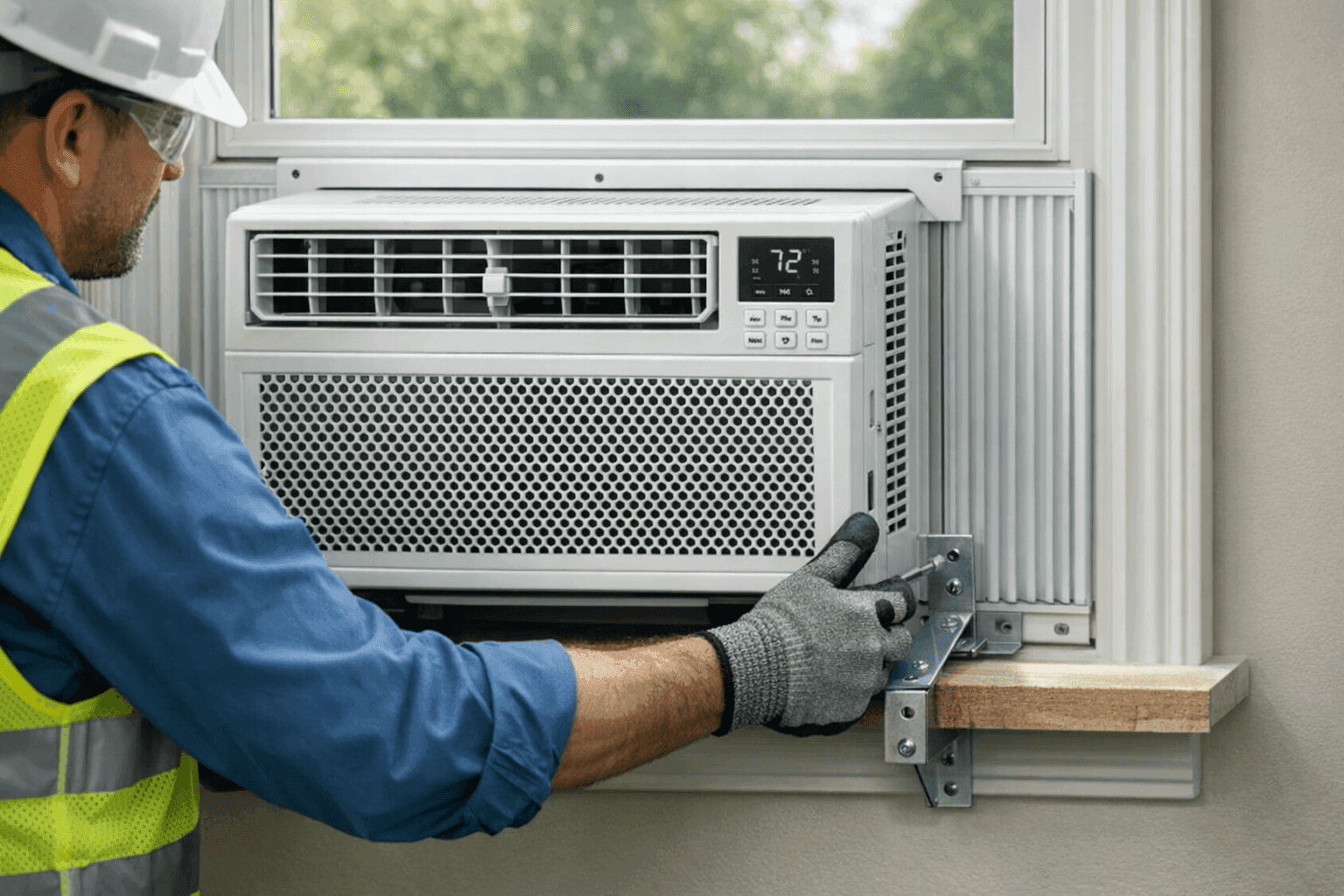
Feeling the heat one muggy afternoon? Nothing beats the relief of a well-placed AC unit. But did you know that improper use or installation of your window or portable AC can put your home, business, and safety at risk? At Right On AC, we see it all—from creative but risky DIY setups to those “it’s probably fine” installs that turn into expensive emergencies.
Let’s cut through the confusion. Here’s how to make sure your cooling stays safe, efficient, and cost-effective—no matter if you’re a first-time user or a seasoned pro.
Window and Portable AC Basics
Window and portable air conditioners are the backbone of flexible cooling. They slip into apartments, offices, and older homes where central air just isn’t an option. Window units perch on sills, drawing hot air out and pumping in crisp, cool relief. Portable units sit on the floor, using adjustable hoses to vent heat outside.
But here’s the catch: these machines are heavy, electrical, and need careful handling. Mistakes can lead to leaks, electrical shocks, or even fires. The U.S. Consumer Product Safety Commission reports hundreds of injuries yearly tied to improper AC installation. Care matters.
Safe Installation Steps 🧰
Most safety issues start with the install. Make sure you:
- Measure your window or space before buying. Too large? It won’t fit. Too small? Gaps let in bugs, heat, and even rain.
- Always follow the manufacturer’s instructions. Skimming leads to skipped brackets or missing steps.
- Use all provided brackets and screws. These aren’t optional—they keep the unit from tipping out or falling.
- Check that your window frame is sturdy. Rotten wood or loose frames can’t support a heavy AC.
- For portable units, ensure vents are tightly sealed. Gaps let warm air creep back in.
If your setup feels wobbly, or the instructions aren’t clear, it’s time to call a professional for AC Installation.
Electrical and Fire Safety ⚡
Air conditioners guzzle more electricity than most appliances. That means overloaded circuits and old wiring can turn your cool breeze into a fire risk.
- Plug your AC directly into a wall outlet. Extension cords or power strips are a big no—they can overheat and spark.
- Use outlets that are grounded and in good condition. If your plugs feel loose or the outlet is warm, get it checked by a licensed electrician.
- Never run the power cord under rugs or carpets. Trapped heat can cause the cord to melt.
- Know your circuit limits. If you’re running other heavy appliances (like a microwave or fridge) on the same circuit, you’re asking for blown fuses—or worse.
For businesses or homes with frequent outages, consider Generator Installation near you to keep your cooling system safe and operational during blackouts.
Quick Safety Checklist
Before you power up:
- Are all brackets and supports tight?
- Is the power cord undamaged, with no fraying?
- Is the unit level (not tilting out or back)?
- Are all vents clear and unblocked?
- Is there any water on the floor or window ledge?
If you answer “no” or “I don’t know” to any, pause. Fix the issue first, or reach out for help.
DIY vs. Call a Pro
Window and portable AC units can seem like a weekend project. But consider:
- Second-story installs are risky—one slip and you’re dealing with a heavy, falling object.
- Older homes may have outdated wiring not rated for modern AC loads.
- Commercial settings usually require code-compliant installs to meet safety regs.
If you’re unsure, a professional AC Maintenance appointment can save you time, money, and a lot of stress.
What Pros Do On Arrival
When a Right On AC technician shows up, here’s what they check:
- Secure, level installation with all safety brackets in place
- Correct electrical connections, using grounded outlets with enough amperage
- Sealed vents (for portable units) and no gaps around window frames
- Condition of insulation around the unit to prevent condensation and mold
- Drainage setup—making sure no water drips onto sills or floors
These steps aren’t just about rules—they’re about keeping you, your family, and your investment safe.
Prevention & Maintenance
Routine care makes a world of difference. Think of it as brushing your teeth—skip it, and you’ll pay later.
- Clean or replace filters every month during heavy use. Dust buildup chokes airflow and strains the motor.
- Wipe down exterior vents with a damp cloth to remove lint and grime.
- Empty water tanks on portable units regularly. Stagnant water breeds mold.
- Listen for rattling, buzzing, or strange noises. These can signal loose parts or failing motors.
- Schedule a professional HVAC Maintenance check yearly—especially before summer.
Staying ahead of small issues means your AC runs longer, uses less power, and costs you less down the road.
Common Mistakes to Avoid 🚫
Even the best intentions can land you in hot water. Here are the pitfalls we see most:
- Using makeshift supports (books, bricks, plywood) instead of proper brackets
- Blocking vents with curtains or furniture, reducing efficiency
- Ignoring musty smells or water leaks
- Leaving portable units running in closed rooms with no venting
- Skipping filter changes “just this once”—then forgetting altogether
A little extra time now saves you headaches (and big bills) later.
Signs of Trouble
Your AC will tell you when something’s wrong—but only if you’re paying attention. Watch for:
- Unusual humming, buzzing, or clicking noises
- Water pooling around the unit or window
- A burning smell or visible sparks when you plug in
- The unit trips breakers or blows fuses
- Weak airflow or rooms that never seem to cool
When in doubt, shut it down and call a cooling professional before restarting.
Seasonal Considerations
When the weather changes, so should your AC habits.
- At season’s end, remove window units if possible. Store them upright in a dry spot.
- For permanent installs, cover the exterior to prevent drafts and debris.
- Portable units should be drained, cleaned, and coiled up neatly—hoses included.
- Before storage, wipe everything down to prevent mildew or corrosion.
A little TLC keeps your unit ready for next year’s heat wave.
Costs & Time Factors
Most window and portable AC installs take about 1–2 hours for an experienced hand, or a Saturday afternoon for a DIYer. If you hit snags (like old windows or missing parts), expect longer.
Professional installation or maintenance will cost more upfront, but it can prevent expensive damage, voided warranties, or even injury. Think of it as insurance for your comfort.
When It’s an Emergency 🚨
If your AC falls out of a window, sparks, or emits smoke, unplug it immediately. Leave the area if you smell burning, and don’t try to fix electrical issues yourself. Call emergency services for fire or electrical hazards, then contact a licensed HVAC technician.
Remember: it’s always better to ask for help than risk your safety.
FAQ: Your AC Safety Questions Answered
Can I install a window AC above a fire escape?
No. This blocks emergency exits and violates building codes in most areas.
How do I know if my electrical system is safe for an AC unit?
Check your breaker panel for available amperage, and look for grounded, modern outlets. When in doubt, have an electrician inspect your wiring.
How often should I clean my AC filter?
Every 30 days during peak use—or more, if you have pets or allergies.
Can I use my portable AC in a room with no window?
Only if you can safely vent it outside, such as through a wall or dedicated exhaust port. Never vent into attics or closed spaces.
For more on safe installation, consult the U.S. Department of Energy’s guidelines or your local building codes.
Cooling for Every Season
At Right On AC, we help homeowners and businesses get the most from their cooling—safely, efficiently, and with as little fuss as possible. Whether you need a quick filter swap, a full install, or a comprehensive cooling company assessment, we’re here to help.
Call Right On AC Now
Ready to make your space safer and more comfortable? Call Right On AC now — or reach us anytime at 888-836-1269 .