How to Spot an HVAC Scam: Red Flags for Homeowners
When your air goes out on a blazing summer afternoon or your heater stutters in the dead of winter, you want help—fast. But in the rush to get comfortable, it’s easy to overlook warning signs and end up with a contractor who’s out to swindle, not serve.
At Right On AC, we want every homeowner and business owner to feel confident and safe when choosing cooling or HVAC repair services. Let’s walk through the most common red flags and arm you with the know-how to spot trouble before it starts.
Common HVAC Scams to Watch For 🛑
Not all contractors are created equal. While most are hardworking professionals, a few bad apples can cause real headaches. Here are some typical scams you might encounter:
- “Too Good to Be True” Offers: That rock-bottom price? Sometimes it’s bait. Scammers lure you in, then pile on hidden fees or claim you need extra repairs.
- Unnecessary Part Replacements: Some techs will claim your compressor, blower motor, or thermostat is “shot”—even when it’s not.
- High-Pressure Sales Tactics: If someone’s pushing you to “act now or lose your warranty,” step back. Urgency is a tool for manipulation.
- Mysterious Mold or IAQ Claims: Be wary if a contractor insists you have a severe indoor air quality problem but can’t show clear test results.
- No Written Estimate: Refusing to put the scope or price in writing is a classic red flag.
- Cash-Only Demands: Insisting on cash payment upfront leaves you without a paper trail—or recourse.
Think of it this way: if a contractor’s promises sound like a magic trick, there’s probably something up their sleeve.
How to Vet HVAC Companies
Choosing a cooling contractor is a little like hiring a babysitter—you want someone you can trust in your home. Here’s how to sort the pros from the pretenders:
Credentials, Reviews, Estimates
1. Check Licensing and Insurance
A legitimate company will have up-to-date licensing and liability insurance. Ask to see their credentials—don’t just take their word for it. In most states, HVAC contractors are required by law to be licensed. This means they’ve met minimum education and safety requirements.
2. Read Reviews—But Don’t Rely on Them Alone
Online reviews can be helpful, but remember: fake reviews exist. Look for detailed feedback about punctuality, respectfulness, and follow-through.
3. Request Multiple Written Estimates
Get at least two or three estimates for bigger jobs like AC installation, generator installation near you, or duct cleaning. Estimates should be itemized, not vague. If one quote is way out of line—high or low—be cautious.
4. Ask About Training and Certifications
Technicians should have training from recognized organizations, such as North American Technician Excellence (NATE) or EPA Section 608 certification for refrigerant handling.
Questions to Ask Before Hiring
Don’t be shy. A trustworthy HVAC contractor will welcome your questions:
- How long have you been in business?
- Can you provide proof of licensing and insurance?
- Will you provide a written estimate before starting work?
- Who will perform the actual work—your employees or subcontractors?
- What brands or equipment do you recommend, and why?
- How do you handle unexpected issues or price changes?
- What steps do you take for safety and code compliance?
If they dodge or rush through these, keep looking.
Problem Scenarios: When to Be Extra Cautious
Picture this: Your AC sputters out during the hottest week of July. You call the first “24 Hour Emergency Service” you find. They arrive, poke around for five minutes, and announce you need a whole new system—today.
Slow down. Reputable techs will diagnose before recommending a replacement. If you’re ever in doubt, step back and call another pro for a second opinion.
Quick Safety Checklist for Homeowners
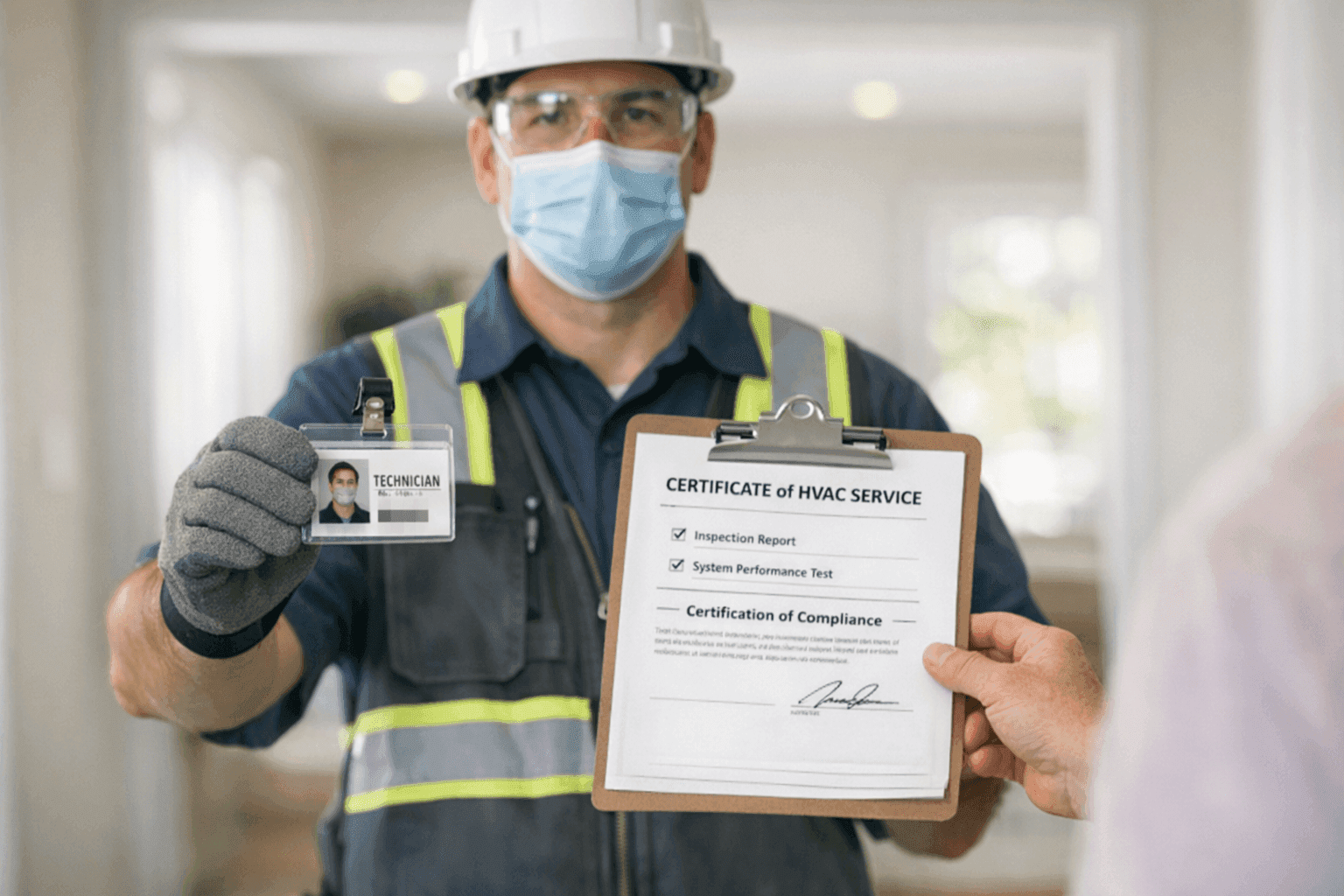
- Verify licensing and ID before letting anyone inside.
- Never sign blank contracts or incomplete work orders.
- Insist on a written scope of work and price.
- Don’t pay in full before the job is finished.
- Keep records of all communications and receipts.
DIY vs. Call a Pro
Some maintenance tasks—like changing filters or checking your thermostat—are safe for DIY. Anything involving refrigerant, electrical work, or complex repairs is best left to certified professionals.
Working with HVAC systems can be as risky as juggling kitchen knives with oven mitts. Don’t take unnecessary chances.
What True Pros Do on Arrival
A skilled technician will:
- Arrive in a marked vehicle and uniform.
- Introduce themselves and show identification.
- Listen to your concerns before inspecting your equipment.
- Use proper tools and safety gear.
- Explain findings and answer every question before doing any work.
If they seem rushed, evasive, or unprepared, trust your instincts.
Prevention & Maintenance: Your Best Defense
Regular maintenance (like annual HVAC checkups, duct cleaning, and thermostat calibration) helps spot issues before they become emergencies. It’s also the best way to avoid being pressured into unplanned repairs.
Right On AC offers HVAC Maintenance and AC Maintenance to keep your system running smoothly—no surprises, no scare tactics.
Costs & Time Factors: What’s Reasonable?
A typical AC repair or tune-up shouldn’t require hours of “diagnostics” with no clear answer. If a tech can’t explain the time and cost, or if costs balloon after work starts, it’s time to pause.
According to the U.S. Department of Energy, most HVAC repairs are straightforward if handled by trained professionals. Large discrepancies in labor charges or unexplained fees are a clue to dig deeper.
When It’s an Emergency
Emergencies happen. But even in a pinch, don’t skip the basics. Ask for credentials. Get a written estimate. If you’re in the cooling services area, our team is always ready for urgent calls—without the scare tactics.
Frequently Asked Questions About HVAC Scams
Q: Is it normal for a tech to ask for payment upfront?
A: Small deposits are typical for big jobs, but never pay the full amount before work is done.
Q: Should I trust door-to-door offers?
A: Be cautious. Most reputable companies don’t need to go door-to-door for business.
Q: Can I check a contractor’s license myself?
A: Yes—most state websites let you verify contractor licenses online.
Seasonal Considerations: When Scammers Strike
Scammers often ramp up activity before heat waves or cold snaps, knowing homeowners are desperate. Schedule preventive maintenance in the off-season to avoid the rush.
Common Mistakes Homeowners Make
- Ignoring the signs of trouble (strange noises, higher bills, weak airflow)
- Skipping annual tune-ups
- Not reading contracts carefully
- Overlooking the importance of IAQ testing and proper ventilation
Signs of HVAC Trouble—And When to Get Help
Watch for:
- Unusual sounds or smells from your system
- Inconsistent temperatures across rooms
- Sudden spikes in energy bills
- Poor airflow or humidity issues
These can signal anything from a dirty filter to a failing compressor. Early attention can save you money and stress.
Timeline & Disruption: What to Expect
Most routine HVAC repairs or maintenance visits take a few hours or less. Major installs (like whole-house fans or generator installation) may take a day or two but should come with a clear schedule and explanation from your contractor.
Materials & Equipment: What Should Be Used?
Insist on reputable brands and Energy Star-rated equipment for any replacements or upgrades. Ask your technician for the model numbers and warranty information before installation.
Your Next Step: Stay Safe and Informed
Staying cool—or warm—shouldn’t come with anxiety. By following these tips, you’ll spot trouble before it starts and keep your home or business comfortable, efficient, and scam-free.
Call Right On AC now — or reach us anytime at 888-836-1269 .