How to Troubleshoot Blowing Fuses in Your HVAC System
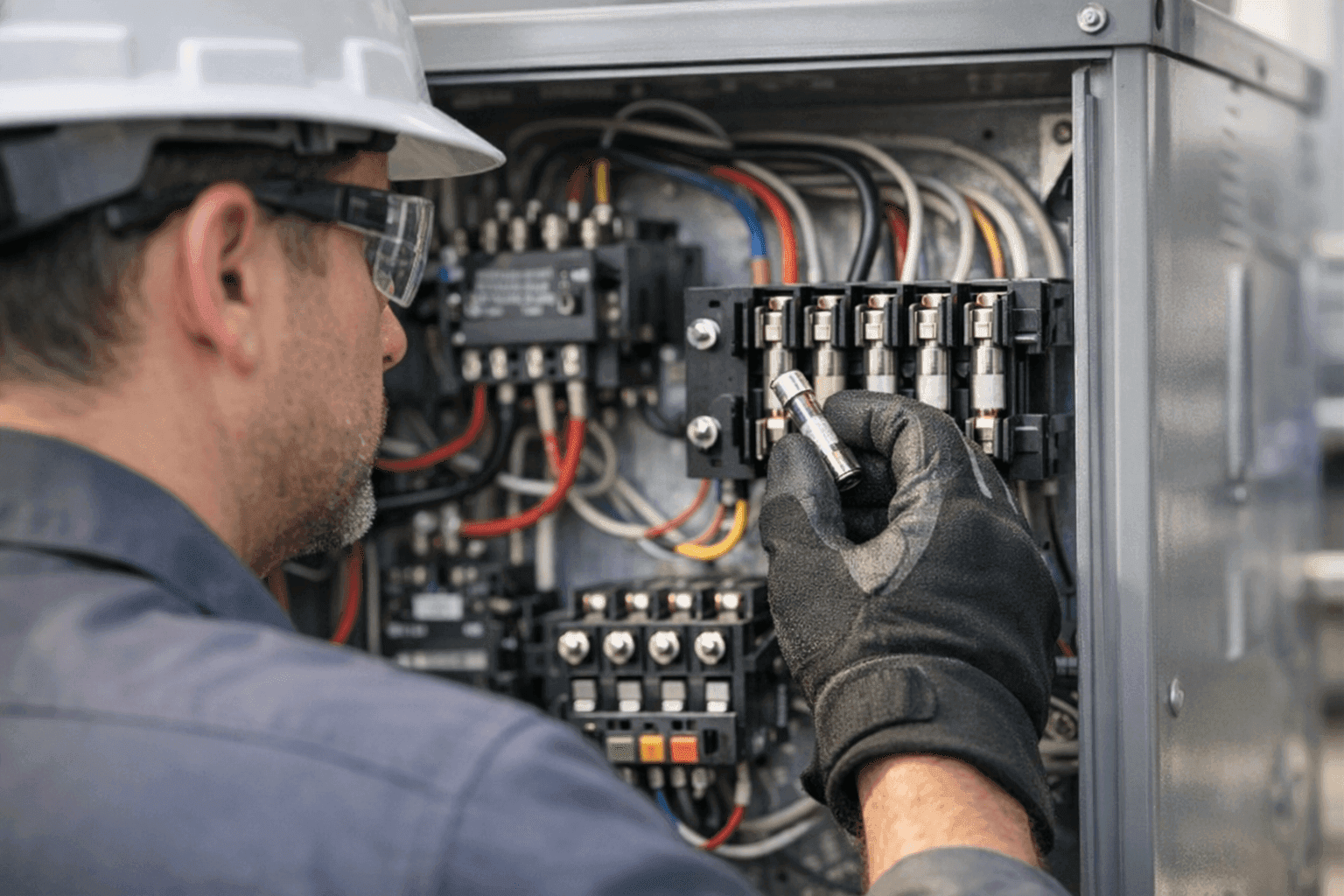
Is your HVAC system refusing to start, leaving you with stale air and rising temperatures? A blown fuse might be the culprit. It’s frustrating. But before you panic, know this: you’re not alone, and you don’t have to face this challenge without some guidance.
At Right On AC, we’ve helped countless homes and businesses get cooling back on track. Fuses protect your equipment—and your safety—so understanding why they blow and what to do next can save you money, headaches, and time.
Why HVAC Blows Fuses ⚡
Picture your HVAC as the heart of your building’s comfort. Now, imagine a fuse as its “circuit breaker”—a fragile bridge that snaps when too much power tries to rush through. Fuses blow to stop overheating and electrical fires, following strict safety codes like those from the National Electrical Code (NEC).
Some common reasons for blown HVAC fuses:
- Dirty air filters block airflow, forcing your system to work overtime and overheat.
- Short circuits from damaged wires or loose connections can send sudden surges.
- Aging or overloaded equipment draws more power than your fuse can handle.
- Faulty components like motors, capacitors, or contactors can spike electricity use.
- Improper installation (wrong fuse rating or incorrect wiring) sets the stage for trouble.
A blown fuse is more than a nuisance—it’s a warning sign. Treat it like a flashing red light on your dashboard.
Quick Safety Checklist Before You Begin
Before you grab a flashlight, protect yourself. Electricity is silent but dangerous.
- Turn off the power at the main breaker before opening any panel.
- Use insulated tools and dry gloves.
- Work in a dry area to prevent shocks.
- Never touch exposed wires.
- Have a partner nearby in case of emergency.
When in doubt, play it safe and call for professional hvac-repair.
Safe Troubleshooting Steps
Troubleshooting a blown HVAC fuse is a bit like detective work. Each clue gets you closer to the cause.
- Locate the fuse—usually in the air handler, furnace, or outdoor condenser disconnect box.
- Visually inspect for burnt, cloudy, or broken fuses.
- Test with a multimeter (set to continuity). No beep? The fuse is blown.
- Check for obvious causes: clogged filters, blocked vents, tripped breakers, loose wires.
- Replace with the same type and rating. Using the wrong fuse is like putting a band-aid on a broken leg.
If the new fuse blows again, stop. Repeated failures mean there’s a deeper issue that needs a professional touch.
Signs Your System Has a Blown Fuse
Sometimes the signs are subtle. Other times, it’s obvious.
- AC or heat pump won’t turn on.
- Thermostat is blank or unresponsive.
- You hear a faint “pop” or smell burnt plastic.
- No air movement from vents.
- Tripped circuit breakers in your electrical panel.
If you notice these, a blown fuse could be to blame.
When to Replace a Fuse
You can replace a fuse if:
- The cause is obvious (like a dirty filter).
- There’s no sign of burnt wires or moisture.
- You have the correct replacement fuse ready.
Always use the exact rating specified by your manufacturer. Check your owner’s manual or the label inside the panel. If you’re unsure, pause and call in a pro.
When to Call a Technician 🚨
If you’ve replaced the fuse and it blows again—or you spot burnt wires, melted insulation, or moisture—don’t risk it. Electrical problems can escalate fast. Fire, equipment damage, and even injury are possible.
Call Right On AC for 24 Hour Emergency Service if:
- Fuses blow repeatedly.
- You hear buzzing, see sparks, or smell burning.
- You suspect a short circuit or water damage.
- Nothing happens after a fuse replacement.
Licensed technicians use specialized tools to test wiring, motors, and circuits. We follow the NEC and manufacturer guidelines for safety.
DIY vs. Professional: What’s Safe to Try?
It’s okay to:
- Inspect and change air filters.
- Check your thermostat batteries and settings.
- Visually inspect fuses (with power off).
It’s NOT okay to:
- Open panels with live wires.
- Replace wires or bypass fuses.
- Use foil or makeshift “fixes.” (This is dangerous and a fire risk!)
When in doubt, leave electrical work to qualified professionals.
What Right On AC Pros Do on Arrival
Our technicians show up ready for anything. Here’s what you can expect:
- Careful inspection of your HVAC panel, disconnect, and thermostat.
- Full system test with multimeters and thermal cameras.
- Checking for shorts, overloads, and hidden water leaks.
- Repair or replacement of worn components.
- Honest advice: if your system needs more than a fuse, we’ll explain why.
We keep your safety and comfort as the top priority.
Prevention & Maintenance Tips
Protect your fuses—and your investment—with simple habits:
- Change air filters every 1–3 months.
- Schedule annual AC maintenance.
- Keep vents and registers clear of furniture and dust.
- Address small electrical issues before they grow.
- Ask for a home energy audit or electrical checkup.
Regular service means fewer surprises and less risk of sudden breakdowns.
Costs & Time Factors
Replacing a fuse is quick—if that’s all it needs. But diagnosing bigger issues can take time. Expect:
- Simple fuse replacement: 10–20 minutes.
- Full electrical troubleshooting: 30–90 minutes.
- Major repairs: possibly longer, depending on parts and access.
It’s better to invest a little time now than pay for major repairs (or deal with an emergency) later.
When It’s an Emergency
A blown fuse during a heatwave or cold snap isn’t just uncomfortable—it can be dangerous for kids, seniors, and pets. If your system fails outside regular hours, Right On AC offers 24 Hour Emergency Service to restore your cooling or heating fast.
Common Mistakes to Avoid
- Using the wrong fuse size.
- Ignoring dirty filters or blocked vents.
- Pushing the reset button repeatedly (can cause more damage).
- DIY wiring without training.
- Waiting too long to call for help.
Small mistakes can lead to big problems. Don’t gamble with electrical safety.
Seasonal Considerations
Extreme weather puts extra stress on HVAC systems. Spring and fall are perfect times for preventive maintenance, filter changes, and electrical checks. Don’t wait until summer’s peak or winter’s chill to act.
FAQ: Blown Fuses in HVAC Systems
Q: Can a power outage cause a blown HVAC fuse? A: Yes. Sudden surges from outages or lightning can overload circuits.
Q: Is it safe to reset the breaker and keep using my HVAC? A: Only if you’ve fixed the root cause. Repeated resets can damage your system.
Q: Why does my fuse keep blowing even after I change it? A: There’s likely a deeper issue—damaged wiring, motor failure, or a short. Call a technician.
Q: Can dirty ducts cause fuses to blow? A: Indirectly. Blocked airflow forces the system to work harder, which can overheat components and blow fuses.
Air Quality and Electrical Health Go Hand-in-Hand
Remember, clean air and safe power are partners in comfort. Services like duct cleaning, air scrubbers, and IAQ testing help your HVAC run smoothly and protect delicate electrical components.
If you’re searching for cooling specialists or need generator installation near you, Right On AC is ready to help.
Timeline & Disruption: What to Expect
Most blown fuses are fixed within an hour. If deeper repairs are needed, our technicians work quickly and explain each step. We respect your time and space—neat, clean, and professional from start to finish.
Materials & Equipment You’ll Need
- Flashlight
- Replacement fuse (correct type/rating)
- Insulated screwdriver
- Multimeter (for continuity testing)
- Owner’s manual
If you’re missing any of these—or are unsure—call us. Your safety comes first.
Looking Out for Your Comfort
You don’t have to face electrical problems alone. Whether it’s a stubborn fuse, a mysterious outage, or just questions about your system, Right On AC is here for you. If you’re in the area and searching for cooling, see our cooling company in Aloha for fast, friendly help.
Call Right On AC now — or reach us anytime at 888-836-1269 .