How to Troubleshoot Common AC Problems
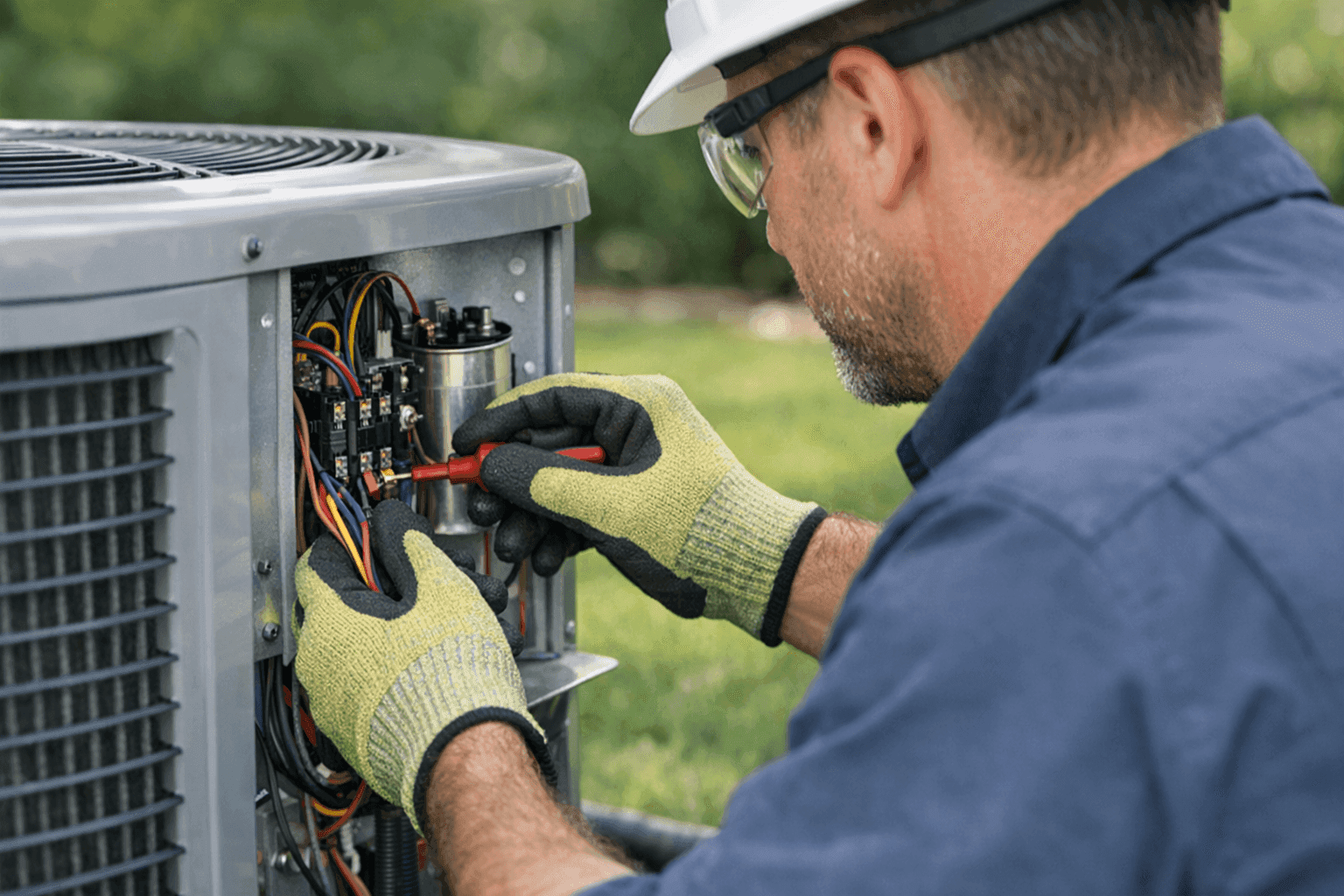
Sweaty days. Sleepless nights. When your air conditioner struggles, it disrupts everything: comfort, sleep, and even productivity. Whether you’re a homeowner or run a bustling business, knowing how to spot and fix AC problems—before they spiral—can save your cool and your wallet.
At Right On AC, we see it all, from mysterious clunks to that dreaded blast of warm air. Here’s your guide to troubleshooting the most common AC headaches with confidence.
Common AC Symptoms 🛑
Recognizing the warning signs is half the battle. Here are the most frequent cries for help your AC might make:
Warm Air
Nothing’s worse than cranking the thermostat and getting a lukewarm breeze. If your system’s blowing warm air, you might have:
- A dirty air filter blocking airflow.
- Thermostat set to “heat” by mistake.
- Low refrigerant—a sign of possible leaks.
- Dirty condenser coils outside.
Strange Noises
ACs aren’t supposed to sound like a marching band. Listen for:
- Rattling or buzzing: Could be loose parts or debris.
- Squealing: Worn-out belts or motor bearings.
- Clicking: Electrical issues during startup or shutdown.
Leaks or Moisture
Puddles around your unit aren’t just messy—they’re trouble.
- Water pooling usually means a blocked or broken drain line.
- Refrigerant leaks are trickier and may show up as icy spots or hissing sounds.
Safe DIY Checks
Some issues are simple enough for homeowners or facilities staff to check safely. Always turn off power at the breaker before poking around.
Power: Is It On?
It sounds obvious, but power hiccups trip up many. Reset your breaker and check for tripped GFCI outlets near the unit.
Filters: The AC’s Lungs
A clogged filter chokes your system. Check monthly—and change or clean as needed (consult your unit’s manual for the right type). A clean filter improves cooling and air quality.
Thermostat: Little Box, Big Impact
Make sure your thermostat is:
- Set to “cool”
- Batteries aren’t dead
- Not affected by direct sunlight or drafts
If your programmable thermostat is acting up, try a reset (see manufacturer’s guide).
When to Call a Professional
Some problems need more than elbow grease. Here’s when it’s time to call in Right On AC:
- Warm air persists after filter and thermostat checks.
- You hear persistent grinding, squealing, or loud bangs.
- Unexplained spikes in your energy bill.
- Visible ice on coils or refrigerant lines.
- Electrical smells or frequent circuit trips.
Our licensed technicians follow EPA and local codes—especially with refrigerants and wiring—to keep you and your property safe. Don’t risk DIY fixes on electrical or pressurized components.
What Pros Do On Arrival
Wondering what to expect? Our team arrives with specialized gear, a sharp eye, and a methodical process:
- Inspect refrigerant levels (per EPA Section 608 guidelines).
- Check electrical connections and capacitors.
- Test motors, fans, and compressor for wear.
- Clean coils and drain lines.
- Calibrate thermostats and evaluate airflow.
If you need “Generator Installation near you,” we can assess backup power needs for uninterrupted cooling, especially in commercial settings.
Prevention & Maintenance
Regular TLC keeps your AC humming year-round. Think of maintenance like changing oil in your car—neglect it, and you’ll pay more later.
- Replace or clean filters every 1-3 months.
- Schedule annual system tune-ups.
- Clear debris from outdoor units.
- Ensure vents and registers stay unobstructed.
Our AC Maintenance page has more details on professional plans.
Quick Safety Checklist ⚠️
- Always shut off power before inspecting any part of your AC.
- Wear gloves and safety glasses.
- Never open sealed components or refrigerant lines.
- If you smell burning plastic or see smoke, leave the area and call for emergency service.
Refer to the Occupational Safety and Health Administration (OSHA) and your unit’s manual for more safety tips.
Costs & Time Factors
DIY fixes like changing filters or resetting the breaker cost almost nothing. Professional repairs vary:
- Minor repairs (capacitors, relays): 1–2 hours
- Major repairs (compressor, refrigerant): Several hours, possibly multiple visits
Prompt attention helps prevent small issues from ballooning into big expenses.
When It’s an Emergency
If your AC quits during a heatwave or leaks water near electrical components, don’t wait. Some situations—like continuous circuit breaker trips or visible sparks—should be treated as urgent.
Right On AC offers 24-hour emergency service for those can’t-wait moments. Call immediately if your AC failure puts health or property at risk.
Seasonal Considerations
Spring and early summer are prime times for AC issues. Why? Long winter naps can leave units dusty or components seized. Before the first heatwave, book a AC Maintenance to catch problems early.
Common Mistakes to Avoid
- Ignoring small noises—today’s rattle could be tomorrow’s breakdown.
- Blocking vents with furniture or curtains.
- Skipping annual checks.
- Running the AC with dirty filters, which strains the motor and shortens system life.
Signs of Trouble: Don’t Ignore These
- Short cycling (AC turns on and off rapidly)
- Weak airflow from vents
- Musty odors (could signal mold in ducts)
- Hot and cold spots around the property
If you notice these, your AC may need more than a quick fix.
Timeline & Disruption
Most common repairs take a few hours or less. For bigger issues—like duct cleaning, full AC installation, or major part replacement—expect a day or more. Our goal is always to minimize disruption.
Materials & Equipment
You’ll need:
- Replacement filters (check your model)
- Screwdriver for access panels
- Flashlight for dark spaces
- Gloves and safety glasses
Professionals use gauges, multimeters, and refrigerant handling tools that aren’t safe for untrained hands.
FAQ
Q: How often should I change my AC filter?
A: Usually every 1–3 months, but check your manufacturer’s guidelines.
Q: My AC runs but doesn’t cool—what’s up?
A: Start with filter, thermostat, and outdoor unit checks. If those are fine, call us.
Q: What’s the lifespan of a typical AC unit?
A: With proper maintenance, 10–15 years. Lack of upkeep? Expect less.
Prevention Beats Repair: Stay Ahead
Savvy property owners know: routine AC Maintenance is cheaper than emergency repairs. Annual inspections, clean filters, and prompt attention to unusual symptoms—these habits save money and stress.
Our skilled team also provides duct cleaning, indoor air quality testing, and even generator installation for peace of mind during power outages.
For those in the region looking for a reliable cooling contractor, our cooling specialists in Lorain are always ready to help.
Ready for Reliable Cooling?
Don’t sweat it alone. Whether it’s a stubborn thermostat or a mystery leak, Right On AC brings the know-how and tools to get your system back on track. We’re here for homes and businesses—day or night.
Call Right On AC now — or reach us anytime at 888-836-1269 .