How to Troubleshoot Short Cycling in HVAC Systems
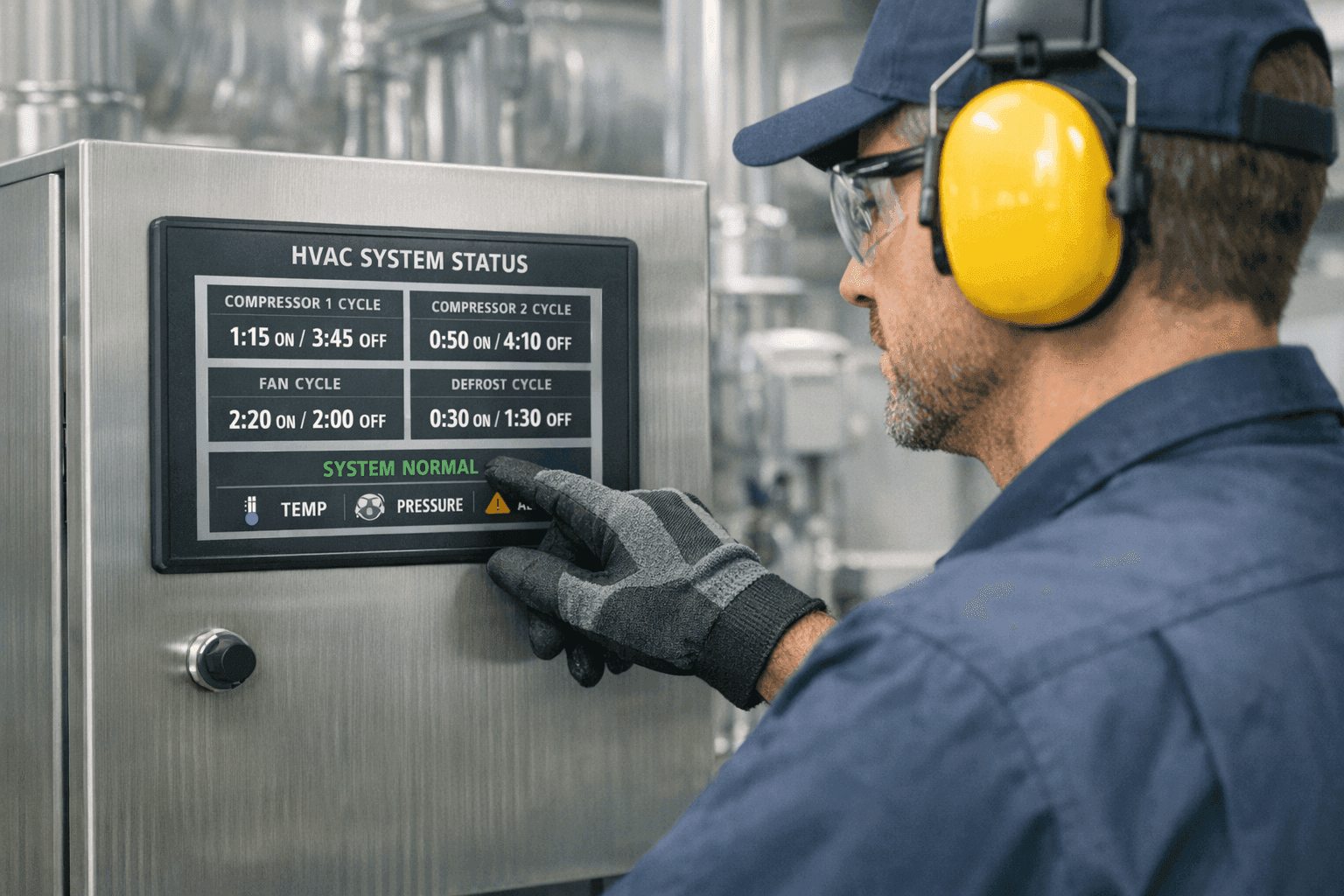
Is your HVAC system switching on and off like a nervous squirrel? That rapid cycling isn’t just annoying—it’s a red flag. Left unchecked, short cycling can drain your wallet and make your home or business uncomfortably hot or cold.
At Right On AC, we understand how urgent it feels when your cooling system acts up, especially during the peak of summer or that first cold snap. Let’s break down what’s happening and how you can act before the problem grows.
What is Short Cycling? 🌀
Short cycling is when your HVAC system turns on and off more frequently than it should. Instead of running long enough to reach the set temperature, it cuts out early—sometimes in just a few minutes.
Think of it like a car that keeps stalling at stoplights. It wastes fuel, wears out parts, and never gets you where you want to go smoothly. In HVAC terms, this means higher energy bills, more repairs, and a system that might not last as long as it should.
Why Does Short Cycling Matter?
Every time your system starts, it uses extra power. Frequent cycling puts stress on motors, compressors, and other components. Cooling or heating doesn’t happen evenly. Rooms get stuffy or muggy. If you ignore it, you could end up needing major repairs—or even a full system replacement.
Common Causes of Short Cycling
Short cycling rarely happens without a reason. Here’s where to look first:
Thermostat Issues
- Faulty placement: Too close to vents or windows can trick the sensor.
- Dead or weak batteries: Cheap fix, but often overlooked.
- Malfunctioning thermostat: If it’s sending mixed signals, your system gets confused.
Sensor Problems
- Dirty or damaged sensors: Dust and debris can cause false readings.
- Loose wiring: Can interrupt communication with the control board.
Oversized System
- Bigger isn’t always better. An HVAC system that’s too large for your space will heat or cool too quickly, shutting down before the job is done. This leads to uneven comfort and extra wear.
Other Possible Culprits
- Clogged air filters: Reduced airflow overheats the system.
- Low refrigerant: Especially common in AC units.
- Blocked vents or registers.
- Electrical problems or failing control boards.
Source: U.S. Department of Energy and the Air Conditioning Contractors of America (ACCA).
Quick Safety Checklist Before You Start
Before poking around your HVAC equipment, stop and check these basics:
- Turn off power at the breaker for any hands-on inspection.
- Never open panels unless you’re confident (or have experience).
- Watch for any exposed wiring or strange smells.
- If you smell burning or see smoke, call for emergency service immediately.
Troubleshooting Steps You Can Try
Let’s walk through some simple checks. Sometimes, the fix is easier than you think.
1. Check and Replace the Air Filter
A dirty filter is like a clogged nose for your system. Swap it out if it looks gray, dusty, or hasn’t been changed in over a month.
2. Inspect the Thermostat
- Is it level and firmly attached to the wall?
- Are the batteries fresh?
- Is it set to the right mode (heating/cooling)?
- Check that it’s not exposed to direct sunlight.
3. Look at Vents and Registers
- Make sure all are open and unblocked by furniture or curtains.
- Clear away dust or debris.
4. Listen for Unusual Noises
Clicking, buzzing, or rattling can signal electrical issues or loose components.
5. Check for Ice or Water
- Look for ice on refrigerant lines or puddles near the indoor unit.
- If you see any, shut the system down and call for service.
When to Call a Technician 🛠️
If you’ve run through the basic steps and the system is still short cycling, it’s time for professional help. Here’s when you should pick up the phone:
- Electrical smells, burning, or sparking.
- Ice formation or leaking water.
- Error codes or flashing lights on your thermostat.
- Short cycling that starts suddenly after a storm or power outage.
- If your system is less than a year old or under warranty—don’t void it with DIY repairs.
Our team at Right On AC is available for 24-hour emergency service. We’re trained to handle everything from HVAC Repair to AC tune-ups and IAQ testing.
How the Pros Diagnose Short Cycling
A certified technician brings more than a toolbox. We use diagnostic equipment to:
- Test thermostat calibration and placement
- Measure refrigerant levels
- Inspect electrical connections
- Check blower motor function and control boards
- Evaluate system sizing and ductwork
We’ll also review your maintenance history and discuss any recent changes in your space or usage patterns.
Preventing Short Cycling in the Future
Prevention takes less time than repair. Here’s what you can do:
- Change filters every 1–3 months.
- Schedule regular AC Maintenance and tune-ups.
- Keep vents and air returns clear.
- Use a programmable thermostat to avoid drastic temperature swings.
- Ask about whole-home energy audits to spot problems early.
Seasonal Considerations
Short cycling often ramps up during the hottest and coldest months, when your system is working hardest. Spring and fall are smart times to schedule inspections—before you really need to rely on your cooling or heating.
Signs You Shouldn’t Ignore
- System runs for less than 5 minutes before shutting down.
- Uneven temperatures between rooms.
- Higher-than-normal energy bills.
- Frequent need to reset the thermostat.
Spotting these early can save you from major headaches—and expenses.
Timeline and Disruption: What to Expect
Simple fixes, like changing a filter or adjusting a thermostat, can take just minutes. More complex issues, like refrigerant leaks or wiring problems, usually require a licensed pro and may mean the system is down for a day or two. We always aim to minimize disruption and get your home or business comfortable fast.
DIY vs. Professional Repair
While there’s plenty you can check yourself, some repairs are best left to the pros. Electrical issues, refrigerant handling (which must follow EPA guidelines), and internal mechanical repairs all require specialized skills and certifications.
Costs and What’s at Stake
Short cycling left unsolved will drive up your energy bills. It also shortens the life of your compressor—the most expensive part to replace. A little time spent troubleshooting now can save you thousands later.
Frequently Asked Questions
Is short cycling dangerous?
Not immediately, but it strains parts and can lead to failure if ignored.
Can I fix short cycling myself?
You can handle basic checks, but electrical, refrigerant, and control issues demand a pro.
How quickly do I need to act?
The sooner, the better. If you notice short cycling, start troubleshooting now to avoid bigger problems.
Ready for Relief? Contact Right On AC Today
Short cycling is more than just a nuisance—it’s a call to action. Whether you need urgent repairs, want a full home energy audit, or just have questions about your cooling setup, our team is here to help. If you’re in need of reliable cooling services, including in New Orleans, check our cooling specialists for fast, professional support.
Call Right On AC now — or reach us anytime at 888-836-1269 .