How to Upgrade an Older Home’s HVAC System
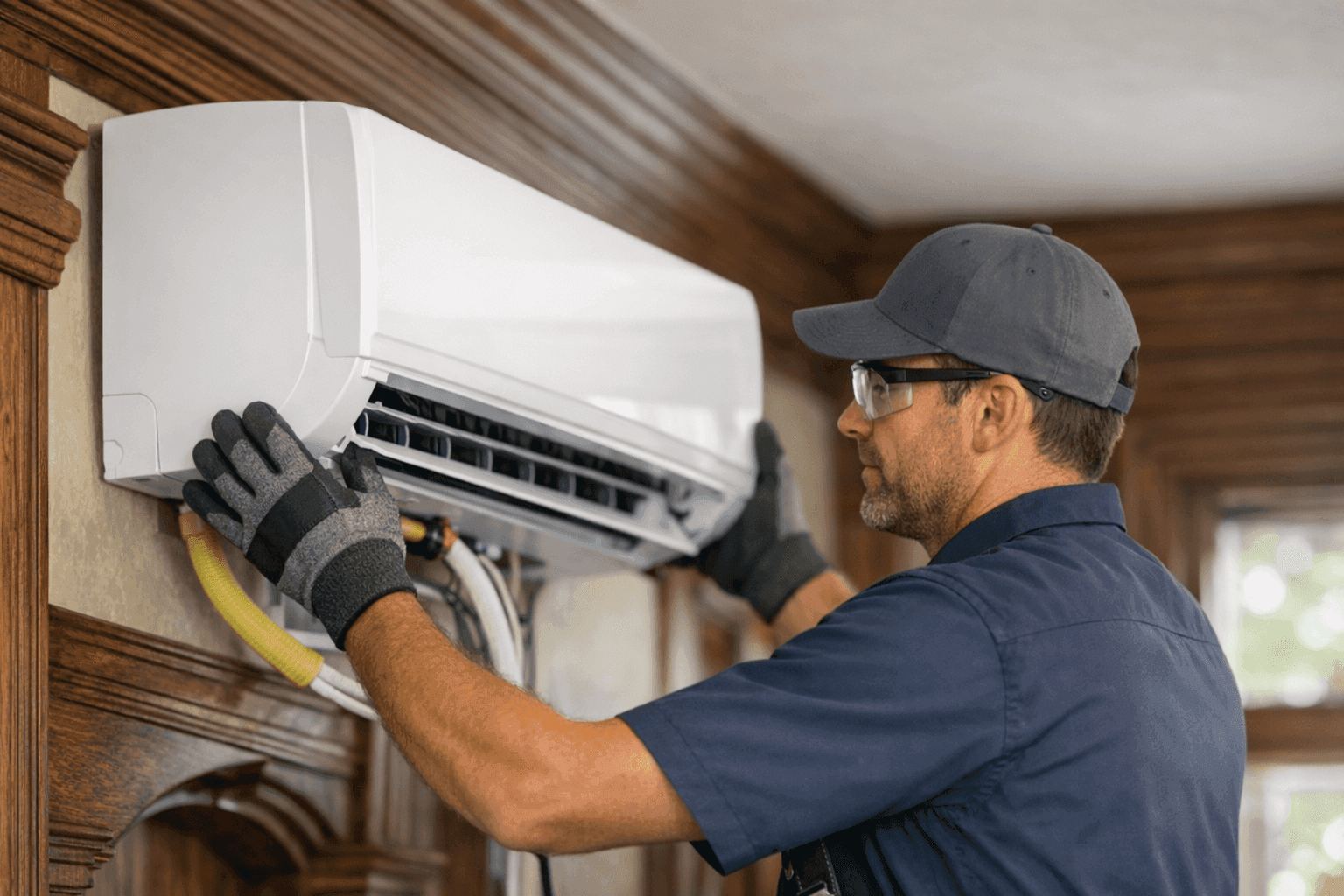
Older homes have stories in their walls—and quirks in their ductwork. If your house predates disco or dial-up, you might be battling hot spots, cold corners, and sky-high energy bills. None of this means you’re stuck sweating it out. At Right On AC, we help homeowners and businesses breathe easier, literally and figuratively, by bringing modern cooling to even the oldest properties.
Let’s break down the unique challenges, smart retrofit options, and key upgrades that can turn your classic house into a comfortable, efficient haven.
Challenges of Older Homes 🏚️
Stepping into an older home can feel like entering a time capsule. Charming? Absolutely. Ready for modern air conditioning? Not so much.
Common obstacles:
- No existing ductwork. Many homes built before the 1970s lack central ducts, making traditional HVAC tricky.
- Small or oddly shaped rooms. Unpredictable floorplans lead to uneven cooling.
- Low attic/basement clearance. Running modern equipment can be tight.
- Drafts and air leaks. Gaps in windows, doors, and walls waste cooled air.
- Outdated electrical systems. Older wiring may need upgrades for new tech like generator installation near you.
These quirks aren’t just inconvenient—they can hinder comfort and even impact your home’s safety and resale value.
Quick Safety Checklist Before You Upgrade
Before you bring in the latest cooling system, take a moment to review the basics:
- Electrical safety: Is your home’s wiring up to current code (see National Electrical Code guidelines)?
- Structural support: Can your walls or attic support new equipment?
- Ventilation: Are there signs of mold, mildew, or blocked vents?
- Asbestos alert: Homes built before 1980 may have asbestos in ducts or insulation—have a pro check before disturbing materials.
- Permits: Most cities require permits for major HVAC work.
If you’re unsure about any of these, consult a licensed HVAC contractor.
Retrofit Solutions for Classic Spaces
Retrofitting an HVAC system into an older home is a bit like fitting a square peg into a round hole—unless you have the right tools and creativity.
Options for retrofits include:
- High-velocity mini duct systems: Small, flexible ducts snake through tight spaces, delivering powerful airflow.
- Compact air handlers: These can fit in closets or crawl spaces.
- Custom ductwork: Sometimes, sheet metal pros can design low-profile ducts to hide along ceilings or baseboards.
Retrofitting isn’t one-size-fits-all. At Right On AC, we tailor solutions to your home’s quirks, preserving its character while delivering modern comfort.
Ductless and Mini-Split Options
Sometimes, the answer is to skip ducts entirely. Enter mini-splits and ductless systems.
Why choose a mini-split?
- No invasive construction. Wall-mounted units require only a small hole for refrigerant lines.
- Flexible zoning. Cool only the rooms you use. No more freezing in the guest bedroom.
- Quiet operation. Many units are whisper-quiet, perfect for bedrooms or offices.
- Energy savings. Modern mini-splits use inverter technology to adjust output, saving electricity.
For many older homes, mini-splits are a game-changer. See more about Mini-Splits and how they fit into homes with historic charm.
Energy-Saving Upgrades 🌱
Old homes leak energy like a sieve, but you can tighten things up.
Upgrade ideas:
- Programmable thermostats. Set-and-forget schedules mean you’re never cooling an empty house.
- High-efficiency filters. Improve air quality and system performance.
- Attic and wall insulation. Keep conditioned air where you want it.
- Whole-house fans. Quickly draw in cool air on mild nights—less work for your AC.
The U.S. Department of Energy recommends sealing leaks and insulating before upgrading HVAC. It’s like patching a leaky boat before installing a new motor.
DIY vs. Call a Pro
Tempted to tackle upgrades yourself? Some tasks—like swapping filters or installing a new thermostat—are DIY-friendly. But major projects involving electrical work, refrigerant handling, or cutting into walls are best left to licensed pros.
Remember: improper installation can void warranties or create safety hazards. A pro knows local codes and can pull the necessary permits.
What Pros Do On Arrival
When a Right On AC tech arrives, here’s what you can expect:
- Comprehensive assessment of your existing system, ductwork, and insulation.
- Recommendations tailored to your home’s layout and your comfort goals.
- Explanation of the latest options in cooling and IAQ (indoor air quality).
- Transparent estimate, including any required electrical or structural upgrades.
- Guidance on rebates and incentives for energy-efficient installations.
This thorough approach ensures your upgrade is smooth, safe, and future-proof.
Timeline and Disruption: What to Expect
Upgrading an older home’s HVAC isn’t always a weekend project.
- Simple mini-split installs: 1–2 days per zone.
- Retrofitting ducts: 3–7 days, depending on complexity and access.
- Electrical upgrades: May add a day or two, especially for generator installation near you.
Expect some dust and noise, though pros will minimize disruption and clean up thoroughly.
Materials and Equipment Choices
Choosing the right equipment isn’t just about brand or price. Consider:
- System capacity: Proper sizing means even cooling and lower bills.
- Air purification options: Add air scrubbers or advanced filters for better IAQ.
- Humidity control: Dehumidifiers and humidifiers can be integrated for year-round comfort.
- Generator backup: Protect your investment and peace of mind during outages.
Ask your installer about ENERGY STAR® certified products—they’re reliable and efficient.
IAQ Testing and Ventilation Essentials
Indoor air quality is often overlooked in old homes. Dusty attics, old carpets, and outdated vents can pollute your air.
- Schedule professional IAQ testing.
- Clean or replace ducts as needed.
- Add ventilation or air scrubbers to remove allergens, odors, and bacteria.
According to the EPA, good ventilation and filtration are key for a healthy indoor environment.
Maintenance and Prevention
A shiny new system still needs TLC.
- Change filters regularly (every 1–3 months, depending on use).
- Schedule seasonal tune-ups—spring for AC, fall for heating.
- Clean vents and check for leaks annually.
- Test carbon monoxide detectors if you have gas appliances.
Regular maintenance helps catch small issues before they become costly repairs. Learn more about HVAC Installation and ongoing care from Right On AC.
Costs and Value Factors
Upfront cost varies depending on system size, home layout, and upgrades required. But don’t let sticker shock stop you—efficient systems pay for themselves in energy savings. Plus, modern cooling can boost home value and comfort.
Ask about available rebates, tax credits, and financing options for qualified upgrades.
Common Mistakes to Avoid 🚫
- Ignoring duct leaks: Leaky ducts waste up to 30% of cooled air.
- Oversizing or undersizing equipment: Both hurt comfort and efficiency.
- Skipping insulation: Without it, you’re cooling the outdoors.
- Neglecting maintenance: Shortens system lifespan and increases repair costs.
Work with a licensed cooling contractor to steer clear of these pitfalls.
FAQ: Old Home HVAC Upgrades
Will a new system damage my home’s character?
No—modern systems can be installed discreetly, preserving historic features.
How long does an upgrade take?
Most projects wrap up in a week or less, but complex jobs may take longer.
Is a permit required?
Yes, most areas require a permit for HVAC installation. Check with your municipality or have your contractor handle it.
What about emergencies?
Right On AC offers 24-hour emergency service if you’re left without cooling in the height of summer.
Seasonal Considerations
Spring and fall are ideal times for upgrades—before peak heat or cold hits. You’ll avoid delays and be ready for whatever the weather brings.
When It’s an Emergency
No cool air? Strange noises or burning smells? System won’t start? These are signs to call for urgent repairs, not just a tune-up. Right On AC responds quickly—your comfort and safety come first.
Local Expertise Matters
Every neighborhood presents unique challenges. From historic districts to modern offices, Right On AC has hands-on experience with a range of properties. If you’re searching for a seasoned cooling company in Freeport, our team understands the character and constraints of local homes.
Ready for a Cooler, More Comfortable Home?
Upgrading an older home’s HVAC system doesn’t have to be overwhelming. With the right plan—and the right team—it’s a smart investment in comfort, efficiency, and health.
Call Right On AC now — or reach us anytime at 888-836-1269 .