Humidifiers vs. Dehumidifiers: Which Does Your Space Need?
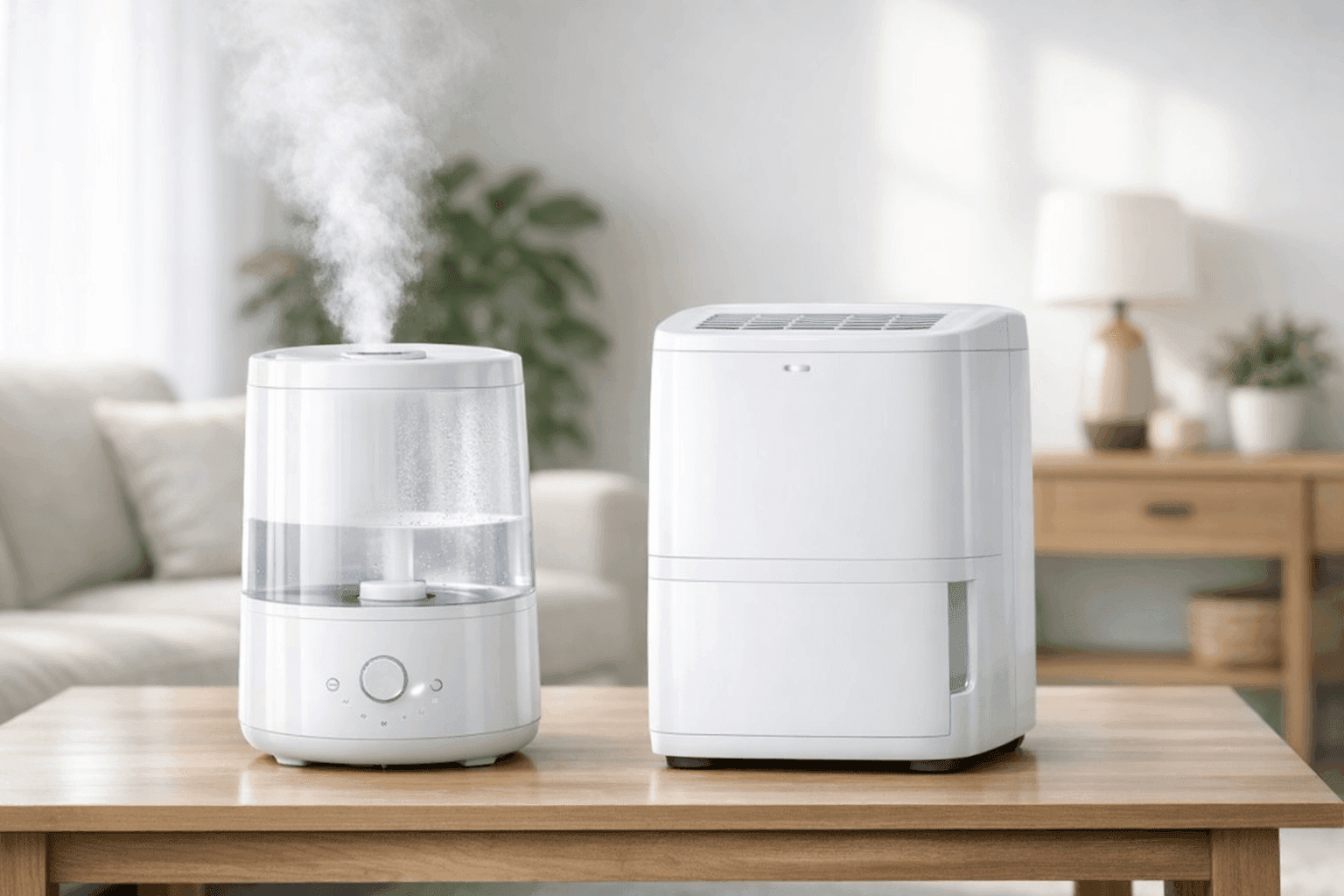
Humidity can be a silent troublemaker. Too much or too little, and your home or office can quickly slip from comfortable to uncomfortable—or even unhealthy. Everyone wants to breathe easy, enjoy crisp air, and avoid the problems that come with imbalanced moisture.
At Right On AC, we help people like you make sense of humidifiers, dehumidifiers, and everything in between. Let’s clear the fog and dry up the confusion—so you can find the right balance for your space.
How Humidifiers Work 🌫️
Picture a desert. Dry air, cracked skin, static shocks every time you touch a doorknob. That’s what happens when humidity drops too low—usually below 30% relative humidity (RH). Humidifiers step in to add moisture back to the air.
The Basics
- Evaporative humidifiers use a fan to blow air through a wet wick or filter, allowing water to evaporate and raise the humidity.
- Ultrasonic humidifiers use high-frequency vibrations to turn water into a cool mist.
- Steam vaporizers boil water and release warm steam into the room.
You fill the tank, turn it on, and the machine works quietly to make the air feel less like a sand dune and more like a gentle forest after rain.
Why It Matters
Low humidity can dry out your nasal passages, intensify allergy symptoms, and even damage wood floors or musical instruments. According to the Environmental Protection Agency (EPA), ideal indoor humidity levels should be kept between 30% and 50% to avoid these issues.
How Dehumidifiers Work 💧
Imagine a sticky summer day in the South—windows fogged up, shirt clinging to your back. That’s high humidity, and it’s more than just uncomfortable. Mold loves it. So do dust mites.
The Basics
- Refrigerant dehumidifiers pull air over cold coils. Moisture in the air condenses on the coils and drips into a tank.
- Desiccant dehumidifiers use materials that absorb moisture, perfect for cooler environments.
- Whole-home dehumidifiers tie directly into your HVAC system for large, consistent coverage.
You set your desired humidity, and the machine quietly pulls excess moisture from the air—leaving things crisp, not clammy.
Why It Matters
High humidity (over 60% RH) can lead to mold growth, musty odors, warped wood, and an open invitation for pests. The CDC warns that controlling moisture is key to preventing mold and the health problems it brings.
Signs You Need Each
When to Use a Humidifier
- Persistent dry skin, lips, or throat
- Frequent nosebleeds
- Static electricity shocks
- Cracking wood furniture or floors
- Respiratory discomfort in winter
When to Use a Dehumidifier
- Condensation on windows
- Musty or moldy smells
- Visible mold or mildew
- Allergy flare-ups (especially in summer)
- Sticky, heavy air—especially in basements
Sometimes, the signs are subtle. But if you’re paying attention, your environment will tell you what it needs.
Choosing for Your Space
Not all spaces are created equal. A home in the mountains faces different humidity challenges than a storefront by the coast. Here’s how to figure out what fits:
Residential Spaces
- Bedrooms and living rooms: Watch for dryness in winter; consider a humidifier if you use forced-air heating.
- Basements: Often damp and prone to mold. Dehumidifiers shine here.
- Nurseries and kids’ rooms: Balanced humidity is important for comfort and sleep. Portable units can help.
Commercial Spaces
- Offices: Electronics and paperwork can suffer in both too-dry and too-humid conditions. Humidity control protects your investment.
- Restaurants and shops: Mold and odors can drive customers away. Dehumidifiers keep things fresh.
- Warehouses: Moisture can damage goods and create slip hazards.
Health Impacts: Breathing Easier
Balanced humidity does more than protect your building—it protects you. The Mayo Clinic notes that air that’s too dry can worsen asthma, irritate skin, and increase susceptibility to colds. Too moist, and you risk allergies, respiratory infections, or mold-related illness.
By keeping humidity in the “Goldilocks zone”—not too high, not too low—you can:
- Reduce allergens and dust mites
- Prevent dry skin and sore throats
- Lower risk of mold and mildew
Environmental Considerations
Humidity isn’t just about comfort. It affects your energy bills and the environment.
- Low humidity: Air feels cooler, so you might turn up the heat. That means higher energy use.
- High humidity: Air feels warmer than it is. You’ll crank up the AC, putting a strain on your cooling system.
Smart use of humidifiers and dehumidifiers can help your HVAC work less, saving energy and money.
Quick Safety Checklist
Whether you’re adding or removing moisture, do it safely:
- Use distilled or filtered water in humidifiers to prevent mineral buildup and bacteria.
- Clean tanks and filters weekly to avoid mold (check the manufacturer’s instructions).
- Never let water sit stagnant in a unit.
- Check electrical cords and plugs for wear.
- Dehumidifier buckets should be emptied regularly, or use a drain hose where possible.
DIY vs. Call a Pro
Small, portable units are easy to set up yourself. But for whole-home solutions—especially those linking to your HVAC—a professional installation is key.
A pro from Right On AC will:
- Assess your space and humidity needs
- Recommend the right equipment for square footage and climate
- Ensure safe electrical and plumbing connections
- Test for proper function and indoor air quality
What Pros Do On Arrival
When you schedule service, here’s what to expect:
- Inspection: We check current humidity levels, look for mold, leaks, or damage.
- System Assessment: We evaluate your HVAC and recommend products that fit your needs.
- Installation or Maintenance: Safe, code-compliant work based on building standards from the International Residential Code (IRC) and local guidelines.
- Testing: We make sure everything runs efficiently and safely.
Prevention & Maintenance
Staying ahead of humidity problems saves time and stress:
- Change humidifier and dehumidifier filters as recommended.
- Clean and disinfect tanks.
- Schedule annual HVAC Maintenance to keep your system balanced.
- Watch for leaks or condensation that might hint at underlying issues.
Costs & Time Factors
- Portable units: Lower up-front cost, easy to use, but limited coverage.
- Whole-home solutions: Higher investment, but more effective and often more energy efficient in the long run.
- Installation: Most jobs take a few hours to a day, depending on complexity.
When It’s an Emergency
Some humidity issues can’t wait:
- Sudden flooding or leaks
- Rapid mold growth
- Electrical shorts from condensate
In these cases, our 24 hour emergency service is ready to help—day or night.
Seasonal Considerations
- Winter: Air dries out when heaters run. Humidifiers can help.
- Summer: Moisture builds up with heat. Dehumidifiers take the edge off.
- Shoulder seasons: Watch for sudden swings in humidity as weather changes.
Common Mistakes
- Running both a humidifier and dehumidifier in the same room—they’ll fight each other.
- Ignoring maintenance—dirty units can make air quality worse.
- Oversizing or undersizing your unit. Bigger isn’t always better; match capacity to your space.
Signs of Trouble
- White dust around humidifiers (mineral buildup)
- Water pooling near dehumidifiers
- Musty smells that linger
- Chronic coughs or allergy symptoms
- Unexplained energy bill spikes
If you spot these, it’s time for a closer look.
Timeline & Disruption
Most installations are minimally invasive, especially with experienced technicians. Portable units are plug-and-play, while integrated systems may need a few hours of HVAC access. We respect your schedule and leave your space tidy.
Materials & Equipment
Right On AC recommends using:
- Units certified by ENERGY STAR or AHAM for efficiency
- Filters rated for your specific model
- Water alarms in basements or areas prone to leaks
High-quality materials mean fewer headaches down the line.
FAQ: Your Questions, Answered
Q: How do I know if my humidity is too high or low?
A: Use a hygrometer (available at most hardware stores) to measure RH. Aim for 30–50%.
Q: Can I use one unit for the whole house?
A: Whole-home solutions exist for both humidifiers and dehumidifiers. We can help you choose the right fit.
Q: Will this affect my energy bills?
A: Balanced humidity can actually lower energy costs by making your heating and cooling more efficient.
Q: Is this safe for kids and pets?
A: Yes, when properly maintained and operated according to manufacturer guidelines.
For more on services in your area, check out our Indoor Air Quality solutions.
Ready to breathe easier and feel better in your space? Call Right On AC now — or reach us anytime at 888-836-1269 .