How to Identify and Remove VOCs from Indoor Air
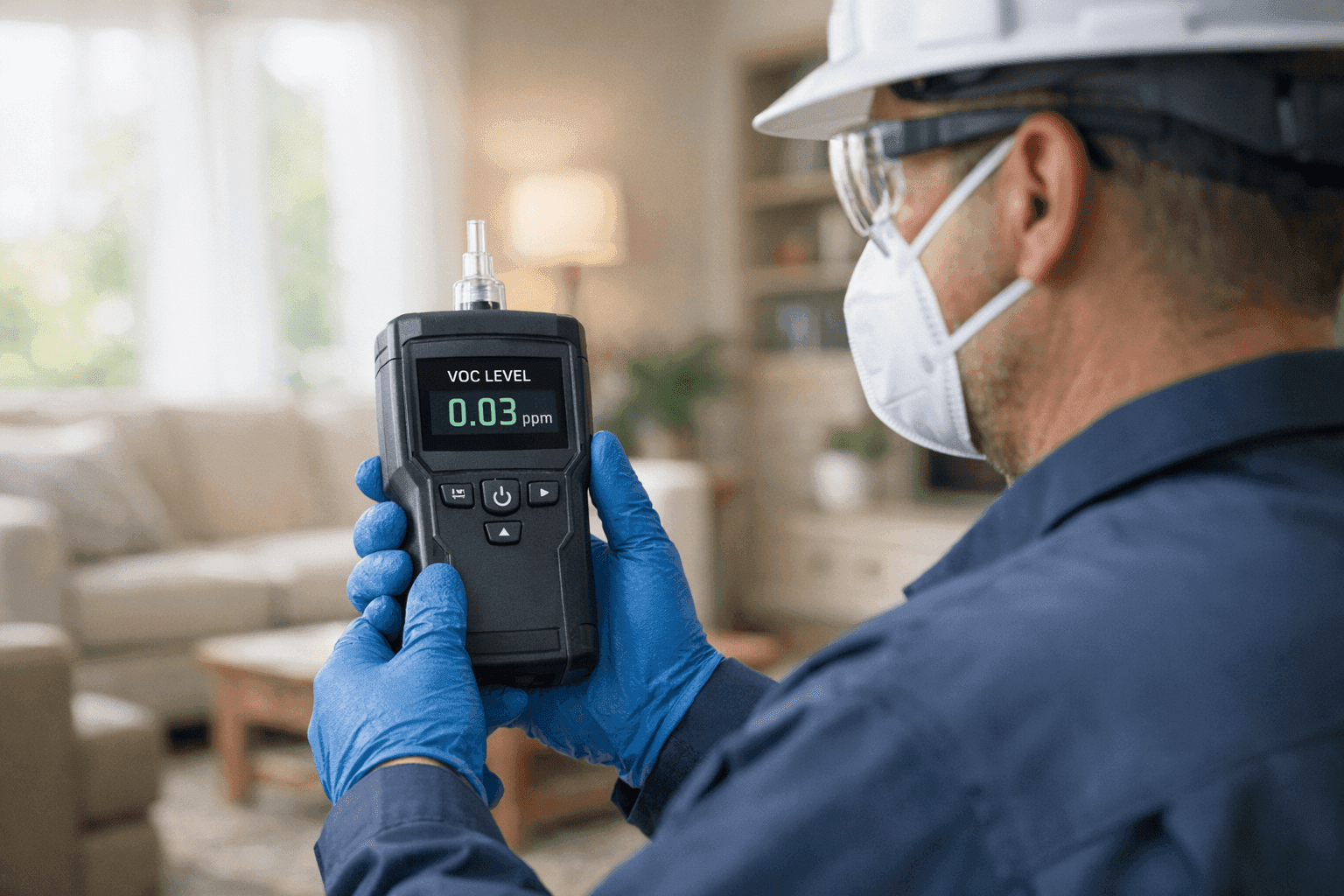
Is the air inside your home or office truly safe? Most people assume it is, but invisible threats could be lurking. Volatile Organic Compounds—better known as VOCs—are everywhere. They drift off paint, carpets, furniture, and even that air freshener you just sprayed. You can’t see them. You might not even smell them. But their impact on your health can be real.
At Right On AC, we help you breathe easier with proven solutions. Whether you’re a homeowner, a business manager, or just someone who cares about well-being, understanding VOCs is the first step to cleaner, safer air.
What Are VOCs? 🌫️
VOCs, or Volatile Organic Compounds, are gases released from certain solids or liquids. Imagine the sharp smell when you open a fresh can of paint or the scent from a new sofa. That’s VOCs at work.
These compounds evaporate easily at room temperature. The Environmental Protection Agency (EPA) has found that indoor levels of VOCs can be up to ten times higher than outdoors. Why? Our homes and offices trap these gases inside, especially when we keep windows closed for cooling.
Common Sources: Where Do VOCs Come From?
You might be surprised by just how many everyday items release VOCs, including:
- Paints, varnishes, and paint strippers
- Cleaning products and disinfectants
- Air fresheners, scented candles, and perfumes
- New carpets, flooring, and furniture
- Office equipment like printers and copiers
- Dry-cleaned clothing
- Pesticides and hobby supplies (like glues and markers)
Almost every room—kitchen, bathroom, office, or garage—can add to the VOC load.
Health Risks: Why Should You Care?
Breathing in VOCs is like letting in a slow leak of invisible fumes. Short-term exposure can cause:
- Eye, nose, and throat irritation
- Headaches and dizziness
- Allergic skin reactions
- Nausea or vomiting
Over time, certain VOCs have been linked to more serious health effects, including liver or kidney damage and even cancer (according to the EPA and National Institutes of Health). Children, the elderly, and people with asthma are especially sensitive.
Signs You May Have a VOC Problem
How would you know? Often, the signs are subtle:
- Frequent headaches or unexplained fatigue indoors
- Worsening allergy or asthma symptoms
- Strong chemical or musty odors that linger
- Eyes or throat feel irritated at home or work
If these symptoms ease outdoors, indoor air could be the culprit.
The Quick Safety Checklist
Before you panic, check the basics:
- Is there a visible source—like recent painting or new furniture?
- Are you using lots of air fresheners or cleaning with harsh chemicals?
- Is your space poorly ventilated (windows never open, fans rarely used)?
- Have you skipped regular HVAC maintenance or filter changes?
If you answer “yes” to any, it’s time to take a closer look.
Testing for VOCs: DIY vs. Professional
DIY home test kits for VOCs are widely available. However, these kits often measure only a few compounds and can miss the big picture.
Professional IAQ Testing from Right On AC uses sensitive instruments to detect a broad range of VOCs. We identify both the levels and likely sources, giving you a clear action plan.
What Pros Do On Arrival
When you call in our team, here’s what to expect:
- Assessment: We start with a walk-through, checking for obvious sources and ventilation issues.
- Air Sampling: Using professional-grade monitors, we measure VOC levels at multiple locations.
- Source Identification: Our experts track down likely offenders—be it building materials, cleaning supplies, or equipment.
- Action Plan: We explain results in plain language, then recommend solutions tailored to your needs.
Step-by-Step: How to Remove and Prevent VOCs
Ready to take action? Here’s what works:
1. Improve Ventilation
- Open windows and doors when weather permits.
- Use exhaust fans in kitchens, bathrooms, and laundry rooms.
- For commercial spaces, consider a mechanical ventilation upgrade.
2. Use the Right Filters
Not all air filters are equal. Look for:
- HEPA filters: Trap larger particulates, but not all VOCs.
- Activated carbon filters: Excellent for adsorbing many VOCs and odors. Replace regularly for best results.
Our indoor air quality specialists can recommend the right filter for your system.
3. Install Air Scrubbers
Think of an air scrubber as a cleaning crew for your air. These devices use advanced filtration and sometimes UV light to break down and remove VOCs and other pollutants. They’re especially useful for homes with allergy sufferers or businesses with high foot traffic.
4. Choose Safer Products
- Pick paints, varnishes, and cleaners labeled “low-VOC” or “VOC-free.”
- Store chemicals in tightly sealed containers, away from living spaces.
- Avoid overusing air fresheners and scented candles.
5. Schedule Regular HVAC Maintenance
A well-maintained HVAC system runs more efficiently and helps control indoor air quality. Change filters on schedule. Clean ducts if there’s visible dust or mold. And schedule annual checkups for peace of mind.
6. Control Humidity
High humidity can make VOC problems worse. Dehumidifiers help keep levels under control, making your indoor air less hospitable to mold and dust mites.
Prevention & Maintenance: Staying Ahead of VOCs
- Air out new furniture, carpets, and building materials before bringing them inside.
- Run exhaust fans when cooking, cleaning, or painting.
- Opt for solid wood or metal furnishings instead of pressed wood.
- Keep your HVAC system on a routine maintenance plan (Right On AC can help with this).
Costs & Time Factors
Removing VOCs can be as simple as airing out a room or as involved as upgrading your ventilation system. Most basic steps—like opening windows and switching cleaning products—are low-cost and immediate. Air scrubbers and advanced filters may require a larger investment, but they offer long-term benefits for health and comfort.
When It’s an Emergency
If you experience sudden, severe symptoms—such as confusion, trouble breathing, or chest pain—leave the area and seek medical help. For ongoing symptoms or strong chemical odors that don’t fade, schedule professional IAQ Testing right away.
FAQ: Your VOC Questions Answered
Are VOCs always dangerous?
Some VOCs are more harmful than others. Formaldehyde, benzene, and toluene are among the most concerning, according to the EPA. Small amounts may not cause symptoms, but chronic exposure raises risks.
Can plants help with VOCs?
While some studies suggest that certain houseplants can absorb VOCs, the effect is usually minor compared to mechanical solutions like air scrubbers and filters.
How often should I test for VOCs?
If you’ve had recent renovations, new furnishings, or unexplained symptoms, test as soon as possible. Otherwise, annual checks are a good habit.
Seasonal Considerations
VOC levels can spike in winter and summer. Why? We shut windows for heating or cooling, trapping pollutants inside. Set reminders to air out your space at least once a week year-round.
Common Mistakes to Avoid
- Ignoring chemical smells—“nose blindness” can occur.
- Over-relying on air fresheners to mask odors.
- Using mismatched or expired filters.
- Skipping regular HVAC inspections.
Timeline & Disruption: What to Expect
Most basic VOC removal steps take an hour or less. Installing air scrubbers or new filters can be completed in a single day. Professional IAQ Testing requires a short visit, with results typically ready within 24–48 hours.
Real-World Equipment and Materials
- Activated carbon filters
- Portable or whole-house air scrubbers
- Dehumidifiers
- Exhaust fans
- Low-VOC paints and cleaning supplies
All installations and maintenance should follow safety guidelines from organizations like the American Society of Heating, Refrigerating and Air-Conditioning Engineers (ASHRAE).
When to Call a Pro
If quick fixes don’t solve the problem—or if you’re unsure about your air quality—professional help is just a call away. Our team at Right On AC brings the right tools, experience, and solutions for both homes and businesses.
For those in the area, our Indoor Air Quality services can make a meaningful difference in your comfort and well-being.
Call Right On AC now — or reach us anytime at 888-836-1269 .