How to Improve Indoor Air Quality in Any Building
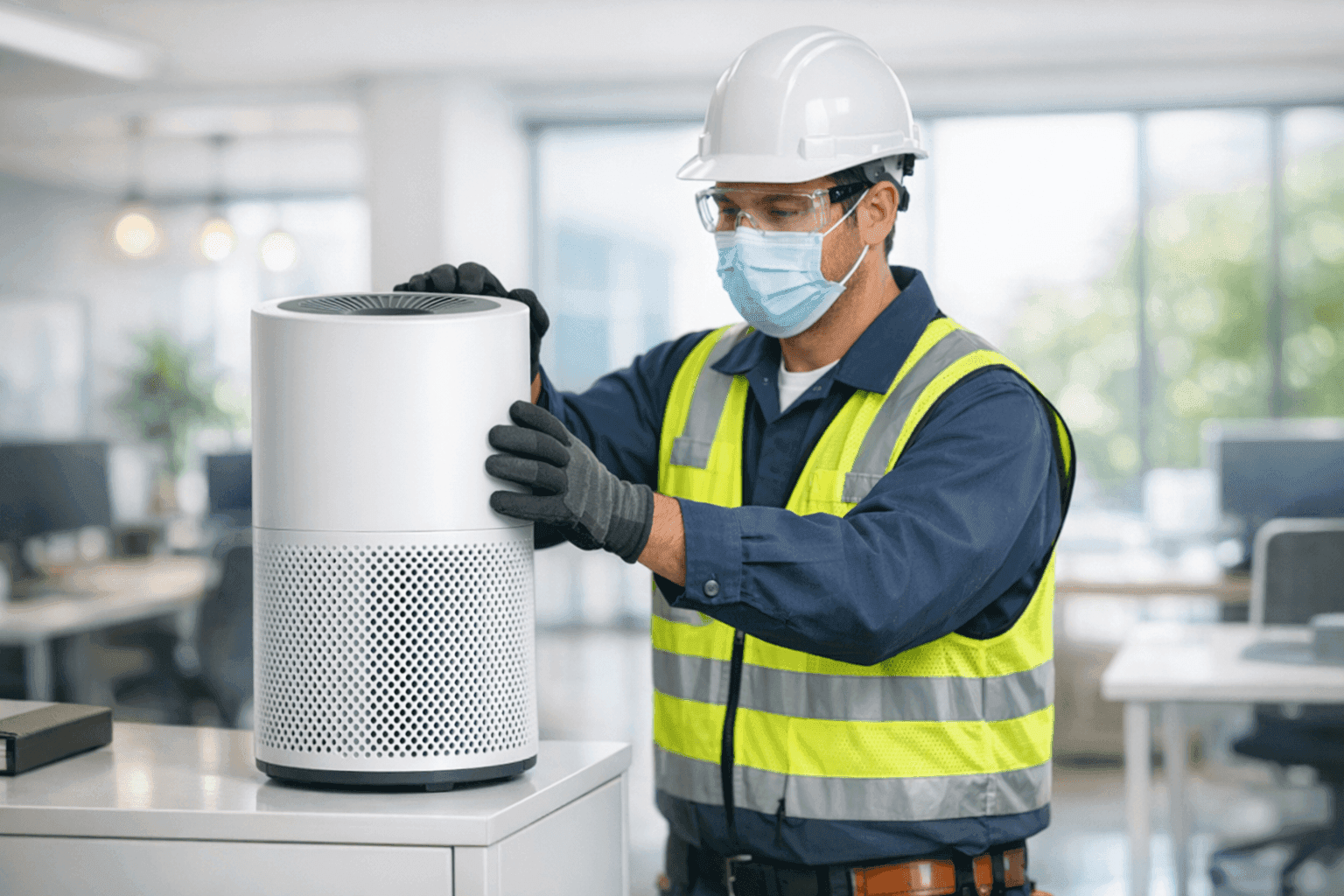
Indoor air is like the water we drink. We expect it to be clean, but invisible dangers can lurk beneath the surface. Whether you manage a busy office or care for a family at home, neglecting indoor air quality (IAQ) can lead to nagging symptoms and larger problems down the road.
At Right On AC, we see the hidden side of buildings every day. With decades of experience in cooling, IAQ testing, and cutting-edge filtration, we know what it takes to create safe, healthy environments—no matter your square footage or layout.
Major IAQ Threats: What’s Lurking in the Air? 🦠
Every building has its own “air fingerprint.” But nearly all face a handful of common threats:
- Dust & Allergens: Pollen, pet dander, and dust mites float through homes and offices, triggering sneezing fits or asthma attacks.
- Volatile Organic Compounds (VOCs): These invisible chemicals come from paint, furniture, cleaners, and even printers. The EPA warns that VOCs can irritate eyes and lungs or cause headaches—sometimes worse.
- Humidity Extremes: Too much moisture breeds mold and dust mites. Too little dries out skin and nasal passages, making it easier for viruses to invade.
- Bacteria & Viruses: Airborne germs can circulate through ductwork, especially in high-traffic spaces.
- Stale Air: Poor ventilation lets pollutants accumulate, leaving rooms feeling stuffy or musty.
The first step to improvement? Recognize the dangers hiding in plain sight.
Quick Safety Checklist: Are You at Risk?
Sometimes, the signs are subtle. Use this checklist to spot trouble early:
- Do you notice musty odors or visible mold?
- Is dust collecting quickly, even after cleaning?
- Are people coughing, sneezing, or complaining of eye irritation indoors?
- Do you see condensation on windows, or wet spots near vents?
- Is your building drafty in some rooms and stuffy in others?
If you answered “yes” to any, your IAQ could use a tune-up.
Simple Steps to Improve Air Quality Now
You don’t need a laboratory to make your air safer today. Try these fast, affordable ideas:
- Open Windows When Weather Allows: Even 10 minutes of fresh air can make a difference.
- Vacuum and Dust Weekly: Use a vacuum with a HEPA filter to trap allergens, not just move them around.
- Change AC Filters Regularly: Dirty filters are like clogged arteries—air can’t move, and pollution builds up. Replace them every 1–3 months.
- Control Humidity: Use a dehumidifier in damp areas; in dry climates, consider a humidifier. Aim for 30–50% relative humidity, as recommended by ASHRAE.
- Ban Smoking Indoors: Tobacco smoke is a major indoor pollutant.
- Store Chemicals Safely: Keep paints, cleaners, and other volatile products sealed and out of living spaces.
Small changes, big impact.
Best Products for IAQ: What Works and Why
Technology has come a long way. Here’s what makes the biggest difference:
- High-Efficiency Filters: MERV 13 filters catch fine particles without choking your HVAC system.
- Dehumidifiers & Humidifiers: Keep airborne irritants at bay by managing moisture.
- Air Scrubbers: These devices use UV-C light or advanced oxidation to neutralize bacteria, viruses, and VOCs. Learn more about air scrubbers and their role in clean air.
- Smart Thermostats: Better control means less energy waste—and more stable air quality.
- Whole-House Fans: Move stale air out and bring fresh air in, especially in spring and fall.
Choose products tested and certified by organizations like UL, AHAM, or Energy Star.
Professional Upgrades: How Right On AC Can Help
Sometimes, DIY isn’t enough. That’s when our team steps in—armed with experience, diagnostic tools, and proven solutions.
- IAQ Testing: We use industry-approved monitors to detect hidden threats like carbon monoxide, radon, or formaldehyde. See how IAQ testing works in detail.
- Duct Cleaning & Air Balancing: Removing years of buildup and ensuring even airflow.
- Ventilation Upgrades: Modern buildings need designed airflow, not just random leaks. We install balanced ventilation that meets ASHRAE 62.1 standards.
- Air Scrubber & Filtration Installations: Advanced purification for homes, offices, and medical facilities.
- HVAC Maintenance: Regular tune-ups keep systems running cleaner and longer.
Our technicians are trained on the latest codes and use top-tier equipment for every job.
When Should You Call a Pro?
Not every air quality issue is a crisis. But call us right away if:
- You smell burning, sulfur, or chemical odors.
- Mold is visible or causing allergic reactions.
- Occupants feel sick only when inside the building.
- Humidity is out of control, or condensation is everywhere.
- You’re renovating, or moving into a new property (old materials = hidden dangers).
A professional assessment can save time and prevent costly mistakes.
Timeline & Disruption: What Should You Expect?
Most upgrades—like air scrubber installation or duct cleaning—take just a few hours. Larger jobs, such as whole-building ventilation, might run a day or more. We work around your schedule to minimize interruptions. For sensitive environments (like healthcare or server rooms), we follow CDC and OSHA guidelines for containment and safety.
Prevention & Maintenance: Keeping Air Clean Year-Round
Air quality isn’t a “set it and forget it” task. Instead, think of it like brushing your teeth: a little maintenance goes a long way.
- Change filters on schedule.
- Schedule an HVAC tune-up every spring and fall.
- Monitor humidity, especially after storms or leaks.
- Ask about IAQ monitoring solutions for peace of mind.
We recommend annual reviews, especially for commercial spaces or homes with allergy-prone residents.
Costs & Value: Investing in Clean Air
Upfront, some upgrades may seem like an investment. But compare that to missed workdays, medical bills, or equipment damage from neglected air. The EPA notes that improved IAQ can boost productivity and reduce absenteeism—making it a smart choice for businesses and families alike.
Seasonal Considerations: Adapting Your IAQ Strategy
- Spring/Summer: Pollen and humidity spike. Use higher-grade filters and consider dehumidifiers.
- Fall: Dust and mold risk rises with leaf litter and rain.
- Winter: Sealed buildings mean more trapped pollutants. Monitor CO levels and run ventilation fans.
Adjust your approach as the seasons change.
Common Mistakes Building Owners Make
- Ignoring filter changes.
- Overusing scented candles or air fresheners (they mask, not solve, the problem).
- Blocking air vents with furniture.
- Skipping regular HVAC maintenance.
Avoid these pitfalls for smoother, healthier air.
Signs of Trouble: Know When Something’s Off
- Persistent coughs and colds.
- Peeling paint or warped wood (hidden moisture).
- Unusual odors or visible dust buildup.
- Unexplained headaches or fatigue.
Listen to your building—it’s trying to tell you something.
FAQ: Your IAQ Questions Answered
Q: How often should I test my air quality?
A: Annually for most buildings, or after renovations, water damage, or occupant complaints.
Q: Can portable air purifiers really help?
A: Yes, but they must be sized for your space and use true HEPA or UV-C technology.
Q: What’s the fastest way to improve air quality?
A: Open a window, upgrade your filter, and schedule a professional assessment for lasting solutions.
Why Choose Right On AC for Your IAQ Needs?
We’re not just a cooling company. Our team is trained in IAQ standards set by ASHRAE, EPA, and NADCA. We help hundreds of families and businesses breathe easier every year. If you’re looking for reliable Indoor Air Quality solutions and a partner who cares, we’re ready to help.
Ready for Healthier Air?
Clean air is a daily necessity—at home or work. Simple changes and the right help can transform any building’s air from “just okay” to refreshingly healthy.
Call Right On AC now — or reach us anytime at 888-836-1269 .