How to Prevent Costly Generator Failures
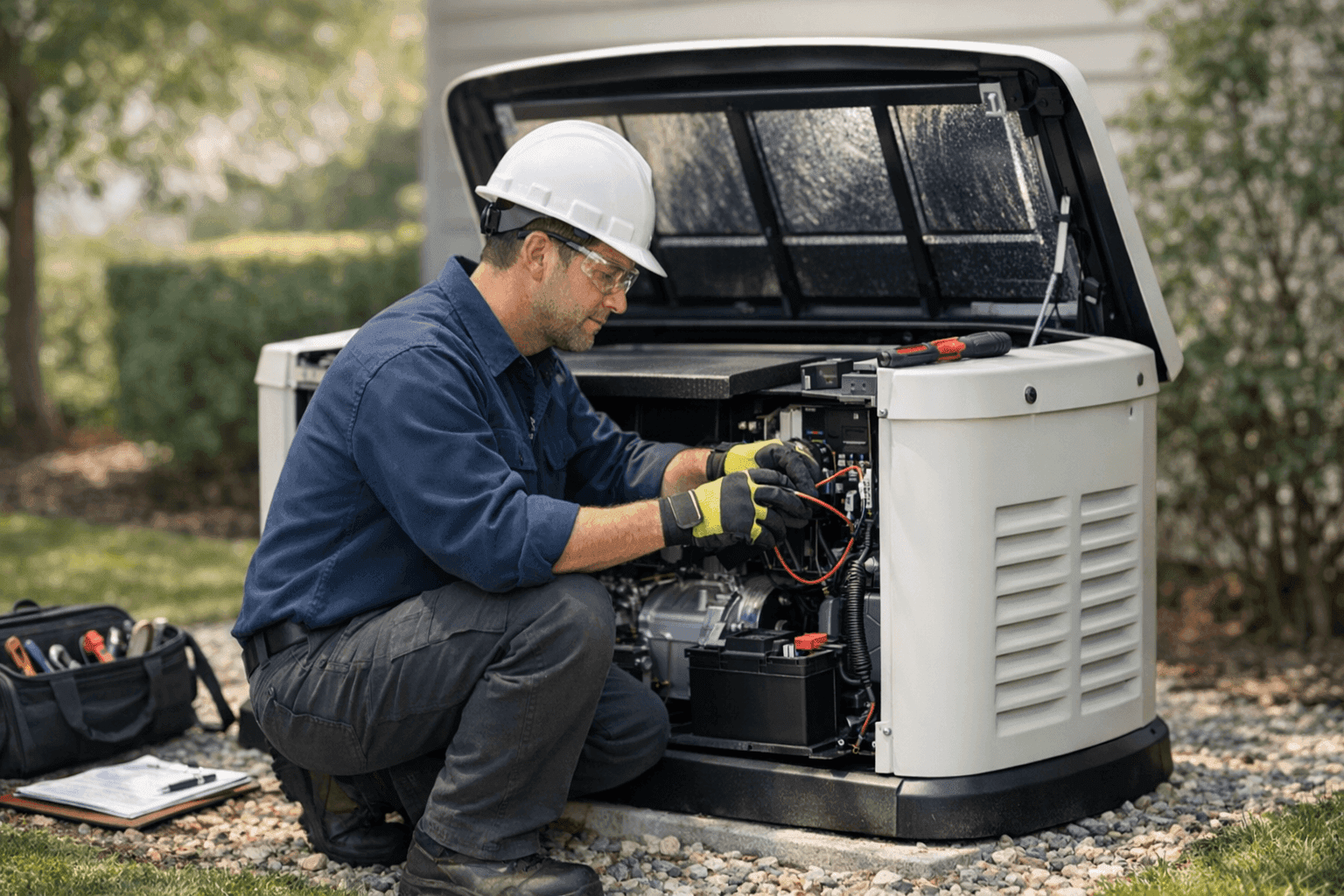
When the lights go out, most people only think about their generator for the first time. By then, it can be too late. At Right On AC, we understand that backup power isn’t a luxury—it’s a lifeline during storms, outages, or emergencies. A generator failure can mean lost business, spoiled groceries, or even risk to your family’s safety.
That’s why our team is dedicated to helping you avoid breakdowns before they start. Whether you’re running a busy office or keeping your home safe, these tips will keep your standby power ready for anything.
Why Generators Fail ⚡
Generators don’t just quit out of the blue. Like any hardworking machine, they drop hints and show signs of stress. Here are the most common reasons backup power systems let you down:
- Neglected Maintenance: Old oil, dirty air filters, and worn-out spark plugs can bring even the best generator to a halt.
- Battery Problems: Dead or weak batteries are the #1 reason generators won’t start, especially after sitting idle.
- Fuel Issues: Stale gasoline, clogged lines, or contaminated diesel choke your system and make startup impossible.
- Coolant and Oil Leaks: Just like your car, losing fluids can lead to overheating and permanent damage.
- Rodent or Weather Damage: Chewed wires and corroded parts are silent saboteurs—often hiding in plain sight.
- Improper Installation: Skipping professional setup can cause electrical code violations or damage to connected devices.
According to the National Fire Protection Association (NFPA), improper maintenance and installation are leading culprits behind generator failures and safety hazards. Regular upkeep is more than a good idea—it’s a requirement for reliability.
Preventive Maintenance Tasks: Your First Line of Defense
Think of generator maintenance like brushing your teeth. A little effort now saves a ton of pain (and cost) later. Here are the basics every homeowner or facility manager should know:
- Monthly Checks:
- Inspect for leaks, corrosion, or loose connections.
- Test the battery voltage and charge if needed.
- Run the generator for 15-20 minutes (load test if possible) to keep parts lubricated.
- Quarterly Tasks:
- Change oil and replace oil filters (follow the manufacturer’s schedule).
- Swap out air and fuel filters.
- Inspect and clean spark plugs.
- Check coolant levels and top off as required.
- Annual Service:
- Flush the cooling system.
- Deep-clean the enclosure and intake/exhaust vents.
- Review transfer switch operation.
- Check all wiring, grounding, and safety devices.
Always use manufacturer-approved parts and reference your owner’s manual. OSHA and NFPA 110 both recommend strict adherence to scheduled maintenance for life-safety and commercial generators.
Quick Safety Checklist
Working around generators isn’t risk-free. Before you roll up your sleeves:
- Shut off the generator and disconnect the power.
- Let the engine cool before touching anything.
- Wear gloves and eye protection.
- Keep flammable materials away from the work area.
- Never work inside during a power outage without proper lighting and ventilation.
If you’re unsure about any step, it’s safer to call a professional. Safety codes exist for a reason—protect yourself and those nearby.
Warning Signs: Don’t Ignore These Clues 🚨
Generators send up red flags before failure. Spotting these early can save you serious time and money:
- Hard starts or no response when you hit the switch.
- Unusual noises—knocking, rattling, or grinding.
- Visible leaks or puddles under the unit.
- Warning lights or error codes on the control panel.
- Frequent shutdowns or “limp mode” operation.
- Odd smells, especially burning or fuel odors.
If you notice any of these, pause and assess. Addressing minor issues now can prevent major headaches when you need backup most.
DIY vs. Call a Pro
Some maintenance tasks are simple, like monthly visual checks or running the engine. But when it comes to electrical diagnostics, load bank testing, or replacing major components, the stakes are higher.
Consider calling a pro for:
- Annual or bi-annual tune-ups.
- Troubleshooting engine problems.
- Inspecting electrical panels and transfer switches.
- Repairing fuel or coolant leaks.
- Upgrading or relocating your system.
At Right On AC, our technicians are certified, insured, and trained on all major generator brands. We know the local and national codes, so your investment stays safe and compliant.
What Pros Do On Arrival
When our team arrives, we don’t just “kick the tires.” Here’s a peek behind the curtain at a professional generator maintenance visit:
- Step-by-step inspection of all moving parts.
- Load testing—making sure your unit performs under pressure.
- Check fuel quality and system integrity.
- Tighten connections, adjust settings, and update records.
- Provide a detailed report with recommendations.
The goal? To catch small problems before they snowball and to give you peace of mind that your backup power is ready for any storm.
Prevention & Maintenance: Timeline and Cost Factors
How often should you service your generator? Most manufacturers recommend:
- Residential: At least once a year, plus monthly and quarterly checks.
- Commercial: Every 3-6 months, depending on usage and critical needs.
Maintenance costs are far lower than the price of emergency repairs, spoiled inventory, or lost revenue. Think of it like changing the oil in your car—skip it, and you risk a much bigger bill down the road.
When It’s an Emergency: Act Fast
Some situations can’t wait. Call for emergency service if:
- The generator won’t start during an outage.
- There’s smoke, fire, or loud bangs coming from the unit.
- You smell gas or see major leaks.
- The transfer switch fails to engage.
At Right On AC, we offer 24-hour emergency response for both residential and commercial customers. Don’t gamble with your safety or comfort—let us step in when minutes matter.
Common Mistakes to Avoid
- Ignoring the manufacturer’s maintenance schedule.
- Storing fuel for too long without stabilizer.
- Overloading the generator beyond its rated output.
- Forgetting to test the transfer switch.
- Skipping professional inspections—especially after storms or long periods of inactivity.
Learning from others’ mistakes can save you from costly breakdowns.
Seasonal Considerations: Be Ready Year-Round 🌦️
Generators face different challenges in summer and winter. In the heat, look out for overheating and dust buildup. In the cold, battery and oil viscosity issues are common. Before storm season or when temperatures swing, schedule a tune-up and test run.
Materials and Equipment: What You’ll Need
For basic generator maintenance, keep these on hand:
- Engine oil and manufacturer-recommended filters
- Fuel stabilizer and fresh gasoline/diesel
- Clean rags, gloves, and safety glasses
- Battery tester and charger
- Owner’s manual and maintenance log
If you’re missing any tools or parts, our team can supply and install what’s needed for safe, worry-free operation.
Generator Troubleshooting: Simple Steps Before You Call
Before reaching for the phone, try these:
- Double-check that the unit is switched to “auto” or “on.”
- Inspect for tripped breakers or blown fuses.
- Verify fuel levels and battery charge.
- Review the control panel for error codes (and look up the meaning in your manual).
If the problem persists after these checks, it’s time to let a pro take a look.
Frequently Asked Questions
Q: How long does the average generator last?
A: With regular maintenance, standby generators typically last 10-30 years. Usage, environment, and servicing frequency all play a role.
Q: Are there legal or insurance requirements for maintenance?
A: Many insurance policies and local codes (like NFPA 110) mandate annual servicing for life-safety and commercial generators. Always check your policy and local laws.
Q: Can I install a generator myself?
A: For whole-house or commercial systems, professional Generator Installation is required to meet code and warranty requirements.
Why Choose Right On AC for Generator Maintenance?
Our team at Right On AC brings years of hands-on experience to every job. We stay current with the latest safety guidelines and standards. Whether you need routine service or urgent repairs, our technicians handle every project as if it were our own home or business.
Looking for generator maintenance or cooling services near you? We also proudly serve the cooling company needs of Franklin and beyond.
Keep Your Power Ready, Rain or Shine
Don’t let a preventable failure leave you in the dark. Protect your home or business with scheduled generator maintenance from Right On AC. For generator maintenance or to learn more about our HVAC and cooling expertise, get in touch today.
Call Right On AC now — or reach us anytime at 888-836-1269 .