How to Prevent Mold and Allergens with Dehumidifiers
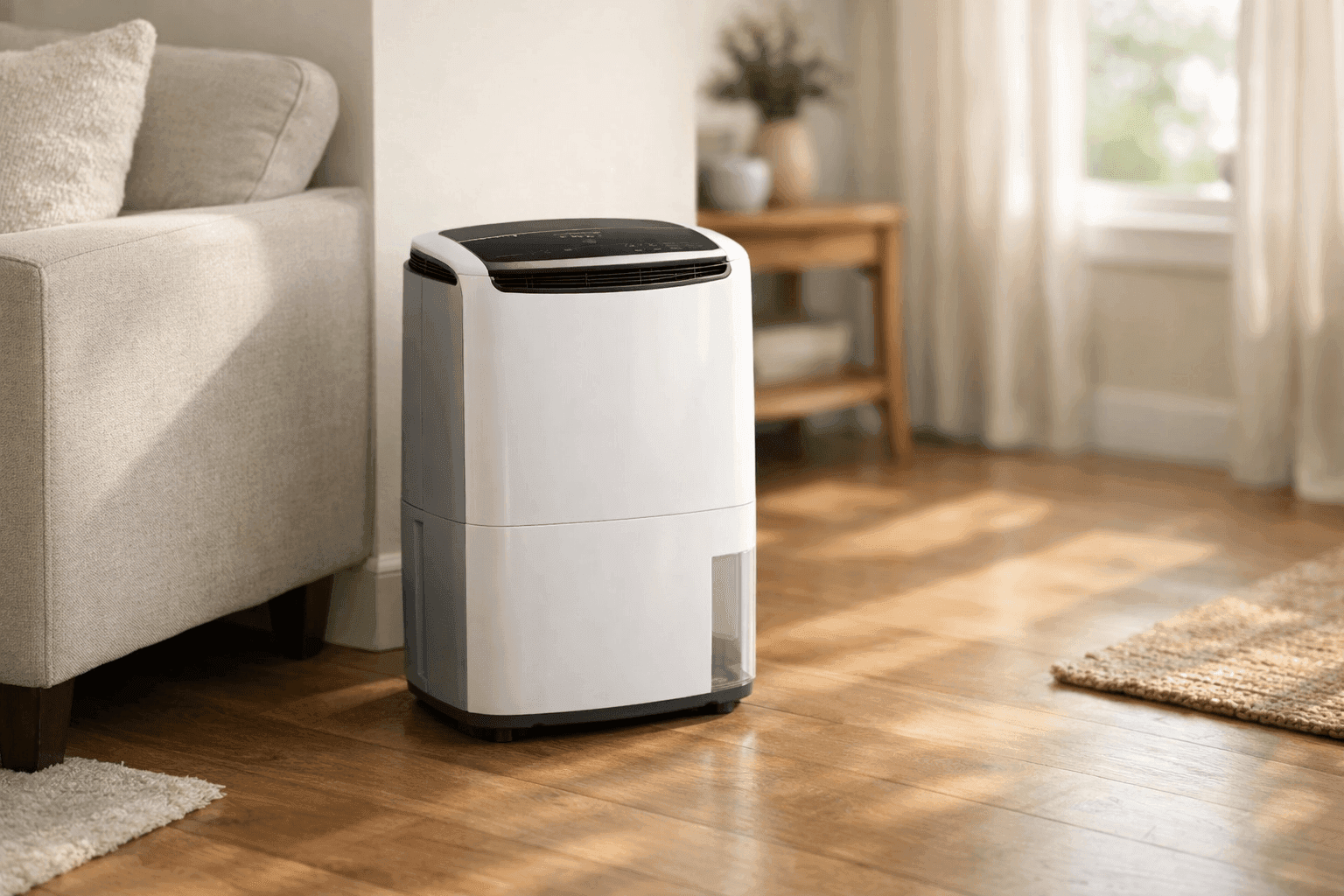
Is your home a refuge—or a breeding ground for mold and allergy triggers? If you’ve ever walked into a muggy room and caught that musty smell, you know how quickly humidity can take over. At Right On AC, we help homeowners and businesses breathe easier every day.
Allergens and mold don’t wait for an invitation. They thrive in damp environments, hiding in plain sight. Understanding how to control humidity with the right dehumidifier is more than just a comfort upgrade—it’s a health essential.
Why Humidity Matters 🌧️
Humidity is like a double-edged sword. On one side, it keeps your skin from drying out. On the other, too much turns your space into a playground for mold, mildew, and dust mites.
The Centers for Disease Control and Prevention (CDC) warn that indoor humidity above 60% can fuel mold growth. Mold spores are tiny—think dust motes floating in a sunbeam. Allergens? Even smaller. When the air is too wet, these invisible culprits find places to hide and multiply. That’s why the EPA recommends keeping indoor humidity between 30-50%.
In short: When humidity rises, so does the risk to your lungs and comfort.
The Science: How Dehumidifiers Work
Think of a dehumidifier as a thirsty sponge with a brain. It draws in moist air, cools it so water condenses inside, and then sends drier air back into your room. The collected water drains away—no more sticky air, no more encouragement for mold.
Some units use refrigerant coils, while others use desiccant materials to capture moisture. Both types help tip the balance back in your favor.
If you’re not sure what’s happening in your own rooms, IAQ Testing can pinpoint hidden humidity problems and show just how much moisture is lurking in your air.
Signs You Need a Dehumidifier
Wondering if a dehumidifier is right for you? Watch for these red flags:
- Damp, musty odors that linger after you clean
- Visible mold spots on walls, ceilings, or windowsills
- Condensation on windows or pipes
- Allergy symptoms that get worse indoors (sneezing, coughing, itchy eyes)
- Warped wood floors or peeling wallpaper
- Clothes or bedding that feel clammy
Basements and crawlspaces are classic trouble spots. But any area can fall victim, especially after heavy rain or in climates with high humidity.
Sizing and Placement Tips
A dehumidifier is not a one-size-fits-all solution. Think of it like shoes: Too small and it won’t do the job. Too big and you waste energy.
How to size it?
- For small, damp rooms (up to 500 sq. ft.), a 10–20 pint unit may be enough.
- Medium rooms (500–1,000 sq. ft.) often need 20–30 pints per day.
- Larger spaces or very wet areas? Go 40 pints or higher.
Pro tip: Make sure you measure the dampest room—not just the total square footage.
Where should you place it?
- Center of the room, away from walls or furniture
- Near the main source of moisture (like a laundry area or basement sump pump)
- Keep doors and windows closed to help it work efficiently
If your needs change seasonally, consider a portable model you can move as needed.
Maintenance: Keep It Running Strong 🛠️
A dehumidifier only helps if it’s working well. Here’s how to keep yours in top shape:
- Empty the water tank regularly (or check if your model has a drain hose)
- Clean the air filter every two to four weeks—dust and debris slow it down
- Wipe down the coils and exterior as needed to prevent buildup
- Inspect the cord and plug for wear—safety first!
- If you notice odd noises or weak performance, call for HVAC maintenance before it becomes a bigger problem
Annual checkups by a Dehumidifiers can uncover hidden issues. If you’re in an area prone to heavy rain, schedule maintenance before storm season hits.
Quick Safety Checklist
Before running your dehumidifier, do a quick scan:
- Is it plugged into a grounded outlet?
- Are cords away from walkways?
- Is the unit level and stable?
- Is the water tank secure?
The National Fire Protection Association (NFPA) reminds us: Never use extension cords with dehumidifiers. Overheating can be a real hazard.
DIY vs. Call a Pro
You can handle the basics—emptying tanks, cleaning filters, and placing the unit. But for persistent humidity, whole-house solutions, or strange leaks, it’s best to call in a professional cooling contractor. Mold remediation, duct cleaning, and ventilation upgrades are jobs for a trained tech.
What Pros Do On Arrival
When a cooling specialist arrives, they:
- Inspect the area for hidden moisture sources
- Test air quality and humidity with calibrated instruments
- Recommend the right size and type (portable, whole-home, desiccant, etc.)
- Ensure safe electrical connections
- Offer tips for placement and ongoing use
They’ll also check for issues that can’t be fixed with a dehumidifier alone—like leaks behind walls or poor attic ventilation.
Prevention & Maintenance: Building Healthy Habits
Prevent mold and allergens at the source:
- Use exhaust fans in bathrooms and kitchens
- Fix plumbing leaks as soon as they appear
- Keep gutters clear—water pooling near your foundation can seep inside
- Schedule IAQ Testing to identify hidden problems
Regular dehumidifier maintenance is as important as changing your HVAC filters or scheduling AC maintenance.
Costs & Time Factors
A quality dehumidifier for a typical home runs $200–$500. Whole-house models (tied to your HVAC) cost more but offer seamless protection. Running costs depend on electricity rates and how often your unit needs to run—usually pennies per hour, but it adds up over a humid season.
Professional installation or troubleshooting takes a few hours, with minimal disruption. Most service calls wrap up the same day.
When It’s an Emergency
Flood, burst pipe, or an unseasonably wet week? If you see water pooling or rapid mold growth, speed matters. A quick response can save you thousands in repairs. That’s why Right On AC offers 24-hour emergency cooling services for residential and commercial customers.
FAQ
Can dehumidifiers remove all allergens?
They reduce moisture, which cuts down on mold and dust mites—two major triggers. But for pollen, pet dander, and smoke, pair your dehumidifier with a quality air filter or air scrubber.
How do I know if my humidity is too high?
Buy a hygrometer (humidity meter) at any hardware store. If it reads over 50%, it’s time to take action.
Do I need a dehumidifier year-round?
In many climates, spring and summer are the worst. But some basements and crawl spaces need protection all year.
Seasonal Considerations
- Spring/Summer: High humidity means more work for your unit.
- Fall: Watch for moisture after storms or leaf clogs in gutters.
- Winter: Most homes dry out, but check basements for cold-weather condensation.
Common Mistakes
- Setting the humidity too low (can dry skin and wood)
- Forgetting to clean the filter
- Blocking air vents with furniture or boxes
- Ignoring leaks that feed new moisture
Signs of Trouble
- Dehumidifier runs but doesn’t collect water
- Water leaks onto the floor
- Strange smells or overheating
- Little to no difference in comfort or musty odors
These mean it’s time to call in the pros for a closer look.
Timeline & Disruption
Most dehumidifier installs or service calls take less than a day. For larger jobs—like whole-home installations or duct cleaning—expect a bit more time, but minimal disruption. You don’t have to move out or clear the whole house.
Materials & Equipment
A reliable dehumidifier, a hygrometer, cleaning supplies, and safe electrical access are all you need for daily upkeep. For bigger issues, a cooling company brings advanced tools for IAQ testing, airflow balancing, and HVAC integration.
Local Cooling Specialists Are Here to Help
Whether you’re dealing with muggy summers or hidden leaks, the right equipment and know-how make all the difference. If you’re searching for cooling specialists in Huntersville, our team is always ready to help you create a healthier, more comfortable environment.
Call Right On AC now — or reach us anytime at 888-836-1269 .