How Proper Ventilation Boosts Comfort and Air Quality
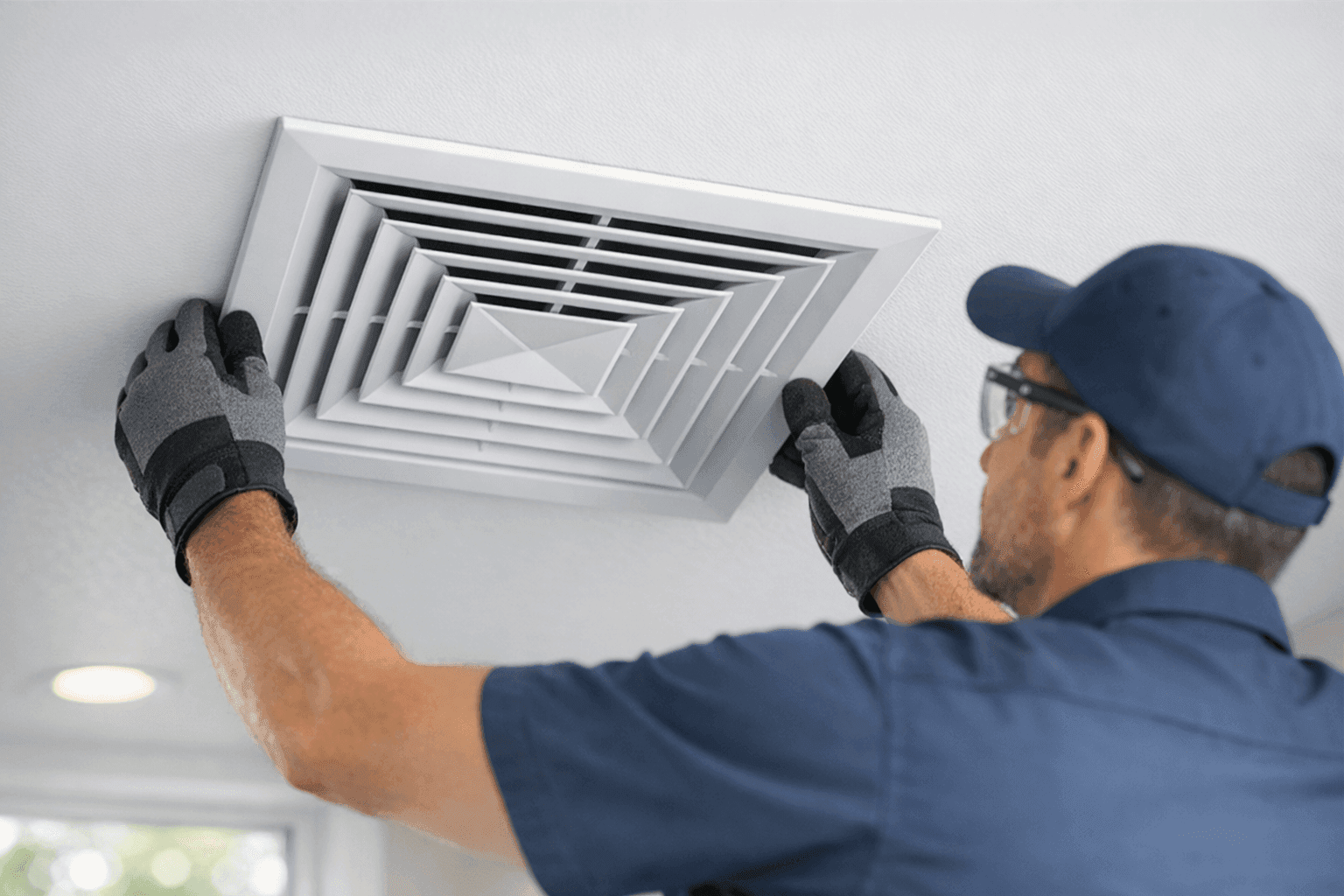
When the air in your home or business feels heavy, sticky, or just plain “off,” it’s not just your imagination. Proper ventilation isn’t a luxury—it’s essential for comfort, health, and energy savings. At Right On AC, we see firsthand how improved airflow can transform a space.
Every building tells a story. Some are stuffy and stale. Others breathe easy, welcoming you the moment you step inside. The difference? It often comes down to how air moves through your walls, vents, and ducts.
Why Ventilation Matters 🌀
Imagine a room with no windows. Leave it closed for a day, and the air gets thick—unpleasant and stale. Now, picture a gentle breeze flowing through: fresh, light, inviting. That’s the power of ventilation. It’s not just about comfort; it’s your first line of defense for better indoor air quality.
Effective ventilation does two big things:
- It brings in clean outdoor air.
- It pushes out pollutants, excess moisture, and odors.
The Environmental Protection Agency (EPA) highlights ventilation as a foundation for healthy indoor environments. Without it, dust, allergens, and even dangerous gases like carbon monoxide can build up. For both homes and businesses, that’s a risk no one should ignore.
Signs of Poor Ventilation
How can you tell if your space is suffocating, not breathing? Watch for these red flags:
- Frequent humidity problems (think foggy windows or sticky walls)
- Musty odors that linger, especially in basements or bathrooms
- Mold spots or mildew patches on walls and ceilings
- Persistent dust, even right after cleaning
- People complaining of headaches, fatigue, or allergy-like symptoms
If your indoor air feels stuffy, or your AC seems to run nonstop, it’s time to take a closer look.
Natural vs. Mechanical Ventilation
There are two main ways to keep air moving: natural and mechanical. Each has its strengths.
Natural Ventilation:
This is the old-school route—open windows, cracks under doors, or vents that let air flow freely. It’s simple, energy-efficient, and costs almost nothing. The downside? You can’t control when or how much fresh air comes in, especially in extreme weather.
Mechanical Ventilation:
Here’s where technology steps in. Fans, ducts, and even whole-house systems pull in fresh air and push out the old. This method gives you full control—essential for tightly sealed modern buildings and businesses that need to meet specific indoor air quality standards.
Types of Ventilation Systems
Your building type and needs will decide which setup works best. Here are the most common options:
- Exhaust Fans: Great for bathrooms and kitchens. They suck out humid, smelly air fast.
- Supply Ventilation: Brings fresh outdoor air inside, often through ducts and filters.
- Balanced Systems: These use both supply and exhaust fans for even airflow—perfect for energy efficiency.
- Energy Recovery Ventilators (ERVs): These advanced units recover heat or coolness from outgoing air, saving energy while swapping stale air for fresh.
For commercial spaces, more robust systems may be required to meet building codes or occupational safety standards.
Quick Safety Checklist
Before making changes, check for these safety basics:
- All vents are clear of obstructions (no blocked grilles or furniture)
- Exhaust fans work and vent outside, not into attics or crawl spaces
- No signs of back-drafting (where exhaust gases re-enter the space)
- Carbon monoxide detectors are installed near sleeping and living areas
Stay up-to-date with local building codes and the American Society of Heating, Refrigerating and Air-Conditioning Engineers (ASHRAE) guidelines.
Easy Upgrades for Better Airflow
You don’t need a full renovation to make a difference. Try these simple fixes:
- Clean or replace HVAC filters regularly
- Open interior doors to let air circulate
- Use bathroom and kitchen fans every time you shower or cook
- Install trickle vents or small window vents for continuous fresh air
- Schedule Ventallation to remove dust and debris
Even small changes can make your space feel fresher and more comfortable.
How IAQ Testing Shines a Light
Sometimes, it’s hard to know what you’re breathing. That’s where IAQ Testing comes in. By checking for airborne particles, humidity levels, and gases, you get a clear picture of your air quality. This helps target the right fixes, from upgraded filters to air scrubbers.
What the Pros Do On Arrival
When Right On AC visits, here’s what you can expect:
- A walk-through to spot obvious problems (blocked vents, moisture, odors)
- Inspection of fans, ducts, and filters
- Measurement of airflow and pressure balance
- Recommendations based on ASHRAE standards and your unique needs
We’ll always explain your options in plain language—no confusing jargon.
Prevention & Maintenance
Ventilation isn’t a “set it and forget it” deal. It needs regular attention:
- Change filters every 1-3 months (depending on usage and local dust)
- Clean bathroom and kitchen exhaust fans yearly
- Inspect ducts for leaks, mold, and blockages
- Schedule annual HVAC maintenance to keep everything running smoothly
Follow manufacturer instructions and always use certified parts.
Costs & Time Factors
Upgrades range from a few dollars for new filters to several hundred (or more) for whole-house systems. Basic fixes—like running exhaust fans or unblocking grilles—can be done in minutes. Larger jobs, like installing energy recovery ventilators, may take a day or two but provide long-term savings.
When It’s an Emergency
Some ventilation issues can’t wait. Call Right On AC if you notice:
- Sudden, severe musty smells
- Water leaks near vents or in walls
- Carbon monoxide alarms sounding
- People feeling sick or faint indoors
Immediate action is vital for safety and comfort.
DIY or Call a Pro?
You can handle basic tasks—changing filters, cleaning vents, running fans. But when it comes to ductwork, pressure balancing, or persistent issues, professional help is essential. We use specialized equipment and follow safety codes to keep your property in top shape.
Seasonal Considerations
Every season brings its own challenges:
- Summer: Humidity rises, making dehumidifiers and strong airflow crucial.
- Winter: Homes get sealed tight, so mechanical ventilation becomes more important.
- Spring/Fall: Pollen and outdoor allergens peak—filters and air scrubbers help.
Adjust your ventilation strategy as the weather changes.
Common Mistakes to Avoid
- Ignoring exhaust fans or letting them vent into attic spaces
- Blocking vents with furniture or rugs
- Using the wrong size or type of HVAC filter
- Skipping regular maintenance
- Over-sealing windows and doors without providing fresh air routes
A little attention goes a long way.
FAQ: Your Ventilation Questions Answered
Q: How often should I run my bathroom fan?
A: Every time you shower or bathe, and for at least 15–20 minutes afterward.
Q: Can plants help improve air quality?
A: Some houseplants can absorb pollutants, but they’re no substitute for real ventilation.
Q: What’s the fastest way to clear up stuffy air?
A: Open windows and run exhaust fans. For ongoing issues, consider a mechanical system upgrade.
Air Balancing: The Secret to Even Comfort
Ever notice some rooms are always hotter or colder than others? That’s often a sign of poor air balancing. By adjusting dampers, vents, and fans, we can help ensure every space gets just the right airflow—so comfort isn’t a moving target.
Timeline & Disruption
Worried about mess or downtime? Most ventilation upgrades are low-disruption. We work fast, cleanly, and always respect your space. For larger projects, we’ll explain the timeline up front.
Materials & Equipment Pros Use
We rely on:
- MERV-rated filters for dust and allergen control
- Energy-efficient, code-compliant fans and ventilators
- Air quality monitors for ongoing testing
- Quality ductwork and sealing materials
We recommend following ENERGY STAR and ASHRAE for product guidance.
Your Next Step Toward Fresher Air
Whether you’re noticing telltale signs of poor airflow or planning a full upgrade, Right On AC is ready to help. If you’re seeking reliable Ventallation or want to know more about Indoor Air Quality, our team is just a call away.
Call Right On AC now — or reach us anytime at 888-836-1269 .