Signs Your Thermostat Needs Replacing
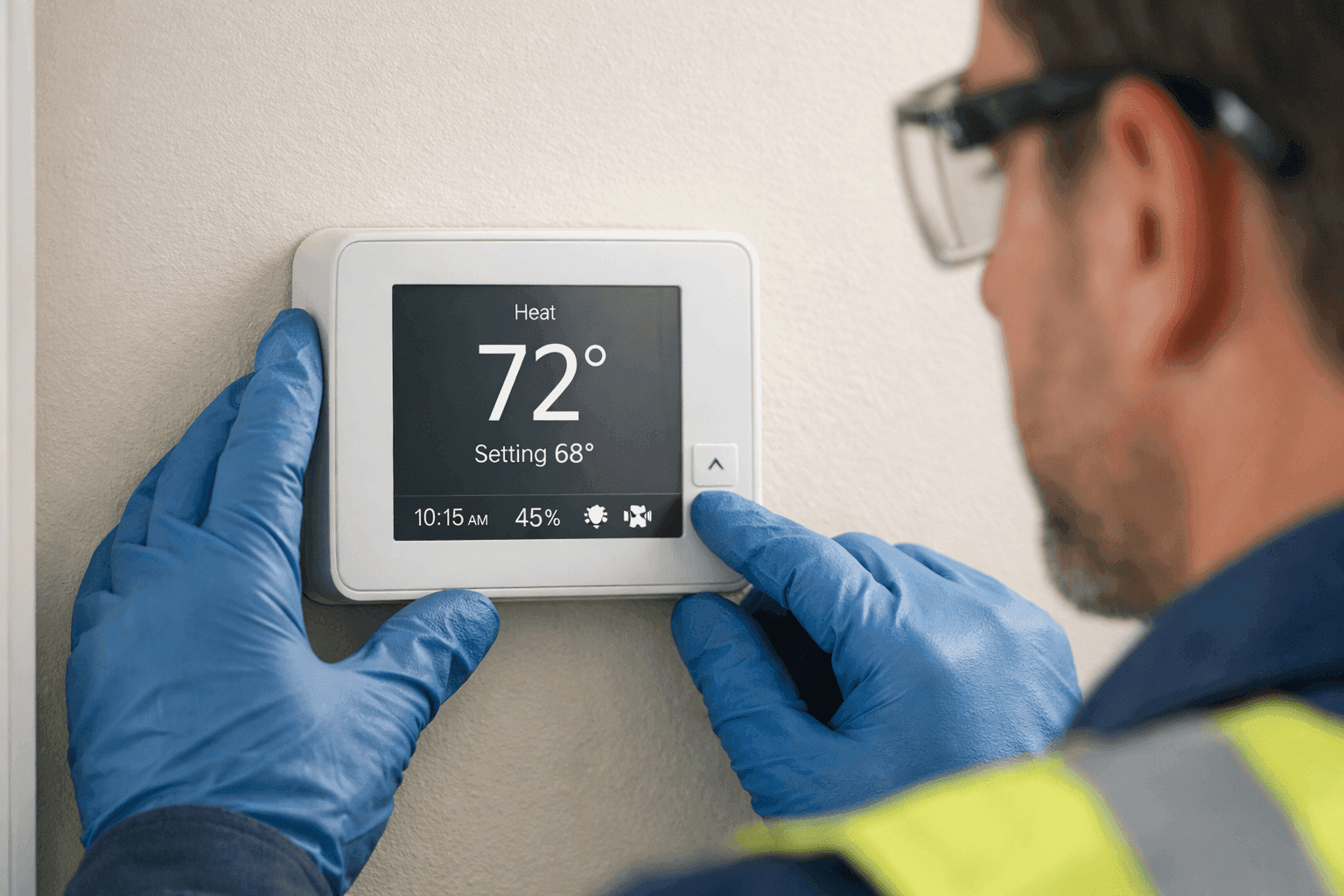
Is your home feeling stuffy, too warm, or unevenly cooled—even when your AC is running? Maybe your commercial space has constant hot spots, making it impossible to keep everyone comfortable. When the temperature never seems quite right, your thermostat might be sending you a message.
At Right On AC, we understand how vital a reliable thermostat is for both energy savings and true comfort. Let’s shine a light on the warning signs and help you know when it’s time to consider an upgrade.
Top Signs of Thermostat Failure 🛑
No one likes a surprise breakdown. Knowing the red flags of a failing thermostat can save you money, time, and frustration.
Inconsistent Room Temperatures
If your living room feels like a sauna while the bedroom is an icebox, your thermostat could be to blame. Older or malfunctioning thermostats often misread the temperature, sending confusing signals to your cooling system. The result? Rooms that never feel quite right—even when you try to adjust settings.
- Hot and cold spots that don’t match your settings
- Uneven cooling throughout your home or business
- Needing to constantly fiddle with the controls
According to ENERGY STAR and ASHRAE (American Society of Heating, Refrigerating and Air-Conditioning Engineers), stable indoor temperatures are a key marker of system health.
Unresponsive Controls or Display
Ever pressed a button and… nothing happens? A thermostat that ignores your input, displays a blank screen, or flickers on and off is waving a red flag.
Common clues:
- Blank or faded screen
- Buttons or touchscreen not responding
- Settings randomly changing or resetting
Sometimes, it’s just dead batteries. But if fresh batteries don’t fix it, the problem’s likely inside the thermostat itself.
System Short Cycling
Does your cooling system keep turning on and off every few minutes? That’s called short cycling. It’s tough on your HVAC and a huge energy waster. Thermostat malfunctions are a frequent culprit.
Short cycling leads to:
- Higher utility bills
- More wear and tear on your AC
- Uncomfortable, humid indoor air
If you notice your system acting like a car stuck in traffic—constantly stopping and starting—it’s time for a closer look.
Quick Safety Checklist
Before you assume your thermostat is toast, run through these basics:
- Check for loose wiring or corrosion (power off first!)
- Replace batteries if your unit uses them
- Make sure your thermostat is level and firmly attached to the wall
- Verify the circuit breaker hasn’t tripped
If you spot damaged wires or smell burning, stop—call a professional right away.
DIY vs. Call a Pro
Changing batteries or cleaning the thermostat faceplate? Safe to do yourself. But if the problem’s inside the unit or you see wiring issues, it’s time for a certified technician. Electrical mishaps can be dangerous and could void your system’s warranty.
How a Pro Diagnoses Thermostat Problems 🔎
Right On AC’s technicians follow a proven process to get to the root of the issue:
- Inspect the thermostat for physical signs of damage
- Test wiring connections for voltage and continuity
- Verify calibration using precise instruments
- Check compatibility with your existing heating and cooling equipment
- Evaluate the placement of the thermostat (too close to vents, windows, or direct sunlight can cause false readings)
We use procedures based on National Electrical Code (NEC) and manufacturer guidelines to ensure every check is by the book.
Benefits of Upgrading Your Thermostat
Modern thermostats offer more than just temperature control:
- Programmable settings for better efficiency
- Wi-Fi connectivity for remote control
- Adaptive learning to match your schedule
- Improved indoor air quality management
Upgrading can cut energy use by 10% or more, according to the U.S. Department of Energy. For many, the savings pay for the new unit in just a couple of seasons.
When It’s an Emergency
If your cooling shuts down in the middle of a heatwave, don’t wait. A dead thermostat can stop your system cold, risking health and safety—especially for young children, seniors, or those with medical needs. Our 24 hour emergency service means you never have to sweat it out alone.
Common Mistakes to Avoid
- Ignoring small glitches, hoping they’ll go away
- Placing lamps or electronics near the thermostat (they skew readings)
- Trying to force old thermostats to work with new systems
- DIY wiring without proper knowledge
Even a small wiring error can fry sensitive electronics or violate building codes.
Timeline & Disruption: What to Expect
Most thermostat replacements take less than one hour. For commercial properties with multiple zones, plan for a bit longer. Our team always works cleanly and minimizes disruption to your routine.
Costs & Time Factors
Thermostat replacement is one of the most affordable HVAC fixes. Prices vary based on features—basic models are budget-friendly, while smart thermostats cost a bit more up front but save money long-term.
Ask about available rebates or energy incentives in your area. Many utility companies reward energy-saving upgrades.
Materials & Equipment
We recommend:
- Quality, name-brand thermostats that match your system specs
- Fresh batteries
- Proper mounting hardware
- Clean, up-to-code wiring
Never substitute parts or use off-brand equipment that isn’t certified for your system.
Prevention & Maintenance
- Schedule annual HVAC maintenance to keep all components—including thermostats—in peak shape.
- Dust or gently clean your thermostat’s faceplate monthly.
- Test your system at the start of each season.
These small steps help catch issues before they cause bigger headaches.
FAQ: Thermostat Troubles
How long does a thermostat last?
Most last 10 years or more, but frequent system upgrades or power surges can shorten their lifespan.
Is it worth getting a smart thermostat?
For most homes and businesses, yes—especially if you want remote control and scheduling options.
Can a faulty thermostat affect air quality?
Absolutely. Poor cycling can lead to excess humidity, mold growth, and uneven filtering. Consider pairing upgrades with air quality solutions.
Seasonal Considerations
Thermostats work hardest during extreme weather. Test yours at the start of heating and cooling seasons—don’t wait for the first heatwave or cold snap to find out there’s a problem.
Who Should I Call for Thermostat Replacement?
If you’re in the market for reliable Thermostats or want a professional opinion about your cooling setup, Right On AC is just a call away.
Strong, Friendly Call to Action
Call Right On AC now — or reach us anytime at 888-836-1269 .