Smart Thermostats: Features, Savings, and Setup
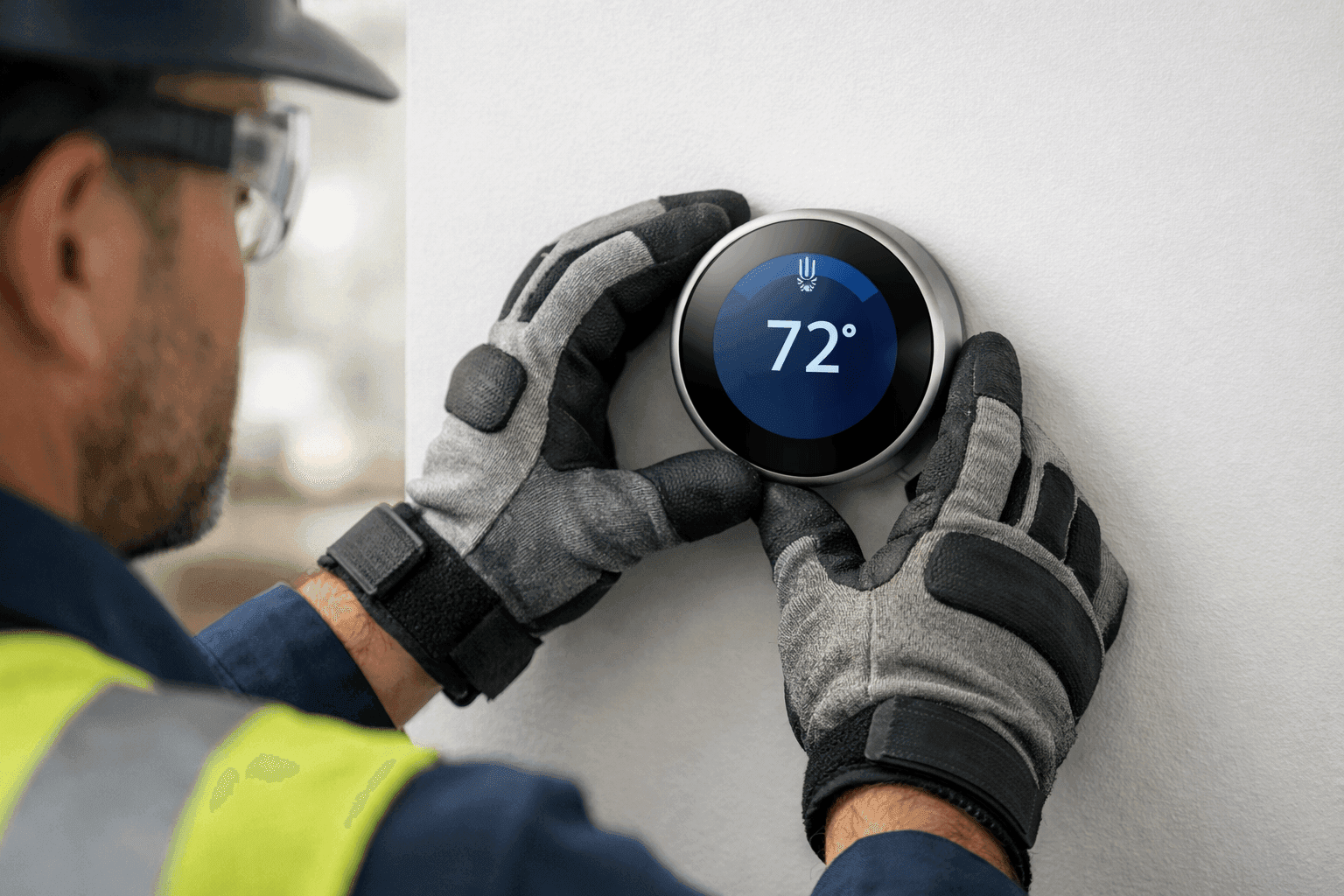
Is your energy bill creeping higher every season? Feel like you’re always fiddling with the temperature, but never quite comfortable? You’re not alone—and you’re not stuck. Modern technology puts climate control in your hands with a twist: smart thermostats. At Right On AC, we help residential and commercial customers harness this power to save money and breathe easy.
Let’s break down how smart thermostats work, what features matter, and the real-world savings you can expect. If you’ve ever wondered whether a smart thermostat is worth it, you’re in the right place.
What Makes a Thermostat “Smart”? 🧠
Think of a traditional thermostat like an old flip phone. It gets the job done, but don’t expect much more. Now, picture a smart thermostat as the smartphone of climate control—packed with features that learn, adapt, and respond to your habits.
Automation, Sensors, Remote Control
- Automation: Smart thermostats can learn your schedule. Leave for work? The system dials down the cooling to save energy. Heading home? It cools things off just in time for your arrival.
- Sensors: Many models use motion or occupancy sensors. They know when rooms are empty and adjust settings automatically.
- Remote Control: Stuck late at the office? Adjust your home’s temperature from your phone. Heading to vacation property? Check in anytime, from anywhere.
These features aren’t just for show. They’re designed to take the guesswork—and the wasted energy—out of comfort.
Energy Savings and Reporting 💡
The promise of lower bills is real, but it isn’t magic. According to ENERGY STAR, homeowners can save about 8% annually on heating and cooling by using a smart thermostat correctly. That’s like finding cash in your couch cushions, every single month.
- Usage Reports: Most smart thermostats provide monthly or weekly breakdowns of your energy use. This isn’t just data—it’s a roadmap to savings.
- Eco Modes: Many models have settings that maximize efficiency when you’re away. No more cooling an empty house.
- Alerts: Get notified if your home gets unusually hot or cold, or if the system needs maintenance.
If you want to go deeper, the U.S. Department of Energy has detailed guidelines on optimal thermostat settings for both residential and commercial properties.
Installation—DIY or Pro?
You might be tempted to install a smart thermostat yourself. For some, it’s a straightforward afternoon project. But there are risks. Older wiring, complex HVAC systems, or multi-zone setups can turn a simple swap into a headache.
- DIY: If you’re comfortable shutting off power, reading wiring diagrams, and following step-by-step instructions, you might manage just fine.
- Call a Pro: For multi-stage systems, heat pumps, or commercial setups, professional installation ensures everything works as it should. Some warranties even require it.
A pro will also make sure your system is calibrated, your sensors are placed correctly, and your setup is up to code (referencing National Electrical Code standards). Plus, you’ll know your whole system—from generator installation to thermostats—is running safely.
Quick Safety Checklist Before You Begin
- Always turn off power at the breaker panel before starting any thermostat work.
- Double-check wiring compatibility with your new thermostat (C-wire required?).
- Label wires clearly as you disconnect the old unit.
- Follow manufacturer instructions—don’t skip steps, even if they seem obvious.
If you have questions about wiring, it’s safer to call a licensed technician who specializes in cooling services.
Common Smart Thermostat Features to Look For
Not all smart thermostats are created equal. Here’s what to consider when shopping:
- Wi-Fi Connectivity: Must-have for remote access.
- Learning Algorithms: Some units study your patterns and adjust automatically.
- Integration: Works with voice assistants (Alexa, Google Home, etc.).
- Zoning Support: Controls temperatures in different parts of your home or business.
- Energy Reporting: Visualizes your usage and savings.
- Geofencing: Uses your phone’s location to adjust settings as you come and go.
Match features to your lifestyle. Don’t pay for bells and whistles you won’t use.
When to Upgrade Your Thermostat
It’s time for an upgrade if:
- Your current thermostat is older than your favorite band’s first album.
- You want more control over your energy bills.
- You’re installing a new HVAC system, mini-splits, or upgrading your home automation.
- You’re already scheduling regular HVAC Maintenance and want to maximize efficiency.
A smart thermostat is a small investment with big returns on comfort and savings.
Preventing Common Mistakes
Smart thermostats are user-friendly, but here’s where folks slip up:
- Wrong Wiring: One misplaced wire can fry your system.
- Ignoring Compatibility: Not all thermostats work with every HVAC setup.
- Skipping Setup Steps: Bypassing the initial learning phase means leaving savings on the table.
- Bad Placement: Avoid placing thermostats in direct sunlight or near vents—this throws off readings.
If you’re unsure, a cooling contractor can help you get it right the first time.
Seasonal Considerations
- Summer: Program higher temperatures during the day when the house is empty.
- Winter: Lower the heat at night or when away, but don’t go too low (risk of freezing pipes).
- Spring/Fall: Use eco or auto modes to minimize unnecessary heating and cooling.
A smart thermostat adapts to changing seasons, so you don’t have to remember every adjustment.
Smart Thermostats and Indoor Air Quality
Did you know some smart thermostats can connect with air scrubbers, dehumidifiers, and air quality monitors? For families with allergies, this can be a game changer—keeping your home comfortable and your air clean.
Ask about integration if you’re interested in IAQ testing or improving your indoor environment.
How Smart Thermostats Fit Into Your Whole System
The best results happen when your thermostat works hand-in-hand with the rest of your HVAC system:
- Regular HVAC Maintenance: Keeps everything running smoothly. Don’t forget your annual checkup!
- Duct Cleaning: Ensures even temperature and air quality.
- Filters: Change them regularly to prevent system strain.
- Home Energy Audits: Identify other areas for savings.
For those in need of generator installation near you, a smart thermostat can help manage energy use during outages, maximizing backup power.
Timeline and Disruption: What to Expect
- DIY Installation: Plan for 1–2 hours, plus setup time.
- Professional Installation: Usually done in under an hour, with minimal disruption.
- Learning Phase: Most smart thermostats take about a week to fully “learn” your routine.
Plan installation during a time when you can go without heating or cooling for a short period.
Cost Factors—Upfront and Ongoing
- Upfront: Smart thermostats range from $100–$300+, not including installation.
- Professional Install: Typically $100–$250 depending on system complexity.
- Ongoing: Most savings come from reduced energy use—no hidden fees or subscription required.
Check with your local utility; many offer rebates for smart thermostat upgrades.
FAQ: Smart Thermostats
Will a smart thermostat work with my old AC? Often, yes—but check compatibility first.
Can I control my business HVAC remotely? Absolutely. Many systems support multiple zones and users.
Is there a risk of hacking? Manufacturers use encryption and security updates, but always use strong, unique passwords.
Where can I get more info? The U.S. Department of Energy and ENERGY STAR are excellent resources for unbiased, up-to-date guidance.
Signs of Trouble—When to Call a Pro
- The thermostat is unresponsive after installation.
- Your HVAC system cycles on and off rapidly (short cycling).
- Energy bills spike, or comfort drops after the upgrade.
- Error messages appear on the display.
Don’t wait—call a cooling specialist if you spot these issues.
Local Help for Your Smart Thermostat Needs
If you’re searching for a cooling company that understands both homes and businesses, Right On AC is ready to help. From smart thermostat installation to regular maintenance, we keep your comfort—and your budget—in mind.
The Right Choice for Comfort and Savings
Smart thermostats are more than a tech trend—they’re a practical upgrade with real benefits. Whether you’re considering DIY or want the confidence of professional installation, Right On AC is here to guide you every step of the way.
Call Right On AC now — or reach us anytime at 888-836-1269 .