The True Cost of HVAC Repair: What to Expect
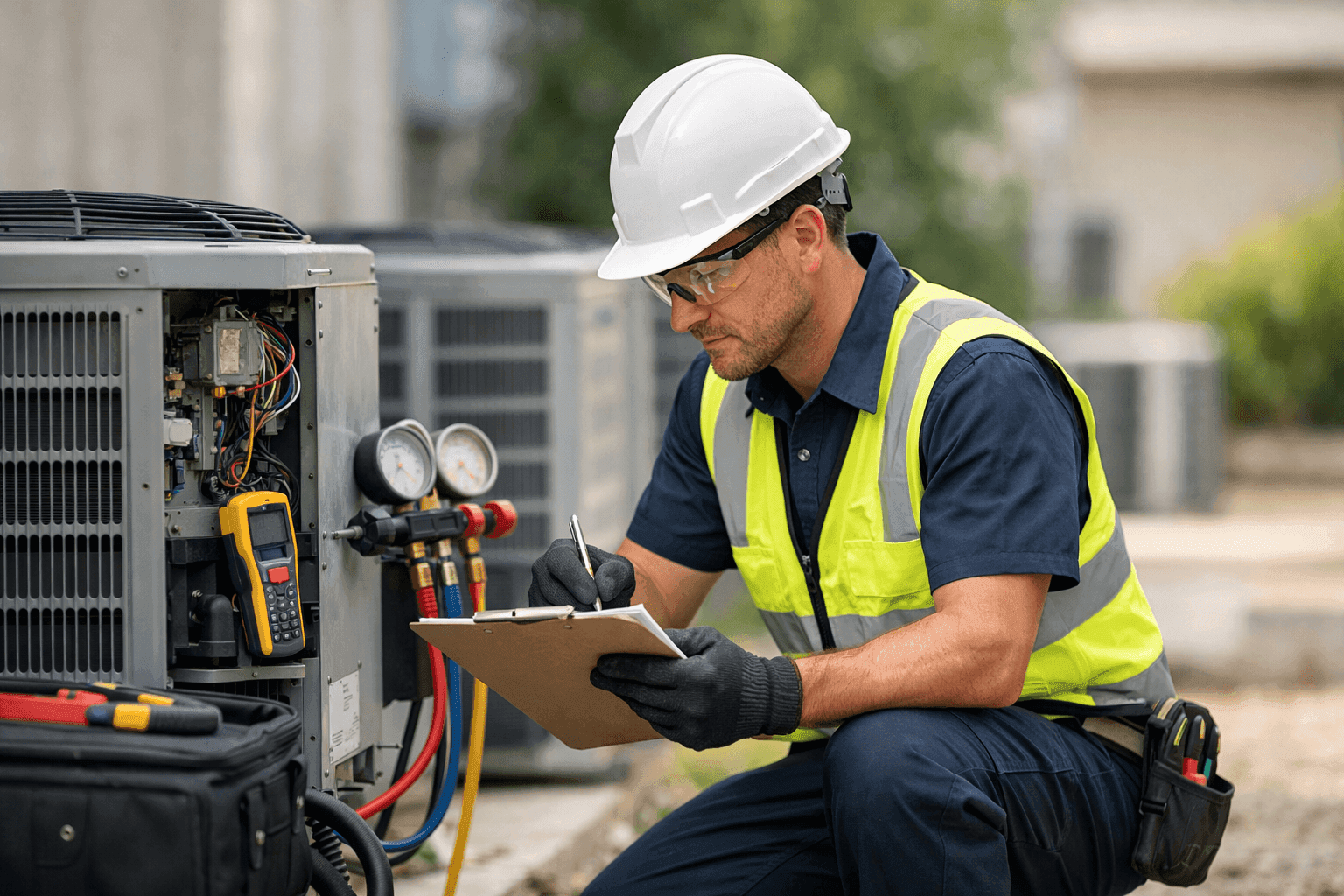
Is your HVAC system making odd noises? Maybe your AC just quit on the hottest day of the year. You’re not alone—these moments catch everyone off guard. But what hits even harder than a burst of hot air is the surprise on the bill after a repair.
At Right On AC, we believe in helping you understand what’s happening behind the scenes, so you know what to expect. No smoke and mirrors. Just clear, honest guidance on what goes into the cost of HVAC repair.
Common HVAC Repairs & Average Costs 🔧
HVAC systems are a bit like cars. Some repairs are quick and routine; others are more like a full engine overhaul. Here’s what most homeowners and businesses encounter:
- Capacitor or Contactor Replacement: These small parts help your system start up. Costs usually range from $120 to $400, including labor.
- Thermostat Issues: Swapping out a basic thermostat can be as low as $120, but smart models can run up to $300 or more, depending on complexity.
- Refrigerant Leaks: Topping off or finding a leak? Expect $200–$1,600, depending on how much coolant is needed and the location of the leak.
- Blower Motor or Fan Repairs: Prices stretch from $400 to $1,500, as the motor is key to moving air.
- Compressor Replacement: The “heart” of your AC. This is the big one, often running from $1,300 to $2,500 or more.
- Duct Cleaning & IAQ Testing: Not technically a repair, but can run $300–$700 for routine cleaning, and a bit more for full indoor air quality analysis.
These are ballpark figures. Every system, home, and business is a little different. But knowing the range helps you brace for what’s coming.
What Factors Influence HVAC Repair Price?
No two repair bills look exactly alike. Why? Because the price isn’t just about the part that broke. Here’s what gets factored in:
- Parts: Some are easy to source. Others are specialty items and cost more.
- Labor: Is the fix quick and easy, or does it require hours in a tight attic?
- System Age & Brand: Older or rare brands can bump up both time and parts cost.
- Access & Complexity: A rooftop unit or cramped crawlspace takes more effort.
- Urgency: Night or weekend calls often have higher rates—think of it like getting a plumber on Christmas Eve.
- Location: In some areas, code requirements or permit fees can add to the bottom line. (Always ask if local codes apply—see the International Residential Code (IRC) for guidance.)
When Is It Time to Repair vs. Replace?
It’s the question everyone dreads: “Is it even worth fixing?” Picture your HVAC like an old car—at some point, putting money into repairs doesn’t make sense.
General rule of thumb: If a repair costs more than half the price of replacing your unit—and the unit is over 10 years old—replacement is often the wiser route.
Consider replacement if:
- Your system is 10–15 years old (or older).
- Repairs are becoming frequent or costly.
- Your energy bills are creeping up, but comfort is sinking.
- There’s a major system failure (compressor, heat exchanger, etc.).
But don’t jump to conclusions. Sometimes, a simple fix is all you need to squeeze a few more years from your cooling system.
Emergency Repairs: What to Expect After Hours
It never fails—breakdowns often happen at the worst times. Nights, weekends, or holidays bring urgency and, yes, higher rates.
- Emergency service fees: These are typically $100–$300 on top of standard repair costs.
- Limited parts availability: Some fixes may need a temporary solution until parts arrive.
- Safety first: If you smell burning or see sparks, turn off your system immediately and wait for a pro.
Right On AC offers 24-hour emergency service, so help is never far away, but always weigh the urgency. If it’s not a threat to your safety or property, waiting for regular hours can save you money.
Quick Safety Checklist Before the Technician Arrives
Before you call for help, check these basics:
- Is your thermostat set correctly?
- Did a circuit breaker trip?
- Are air filters clean and vents unblocked?
- Any signs of electrical issues? (If so, don’t touch—wait for the pros.)
Simple checks can sometimes save you the cost of a service call.
DIY Fixes vs. Calling an HVAC Pro
Some things you can do yourself—others, not so much. Think of it like changing a tire versus fixing a transmission.
- DIY: Replacing filters, checking thermostat batteries, or resetting breakers.
- Call a pro: Anything electrical, refrigerant-related, or deep inside your system.
Attempting repairs without proper training can void warranties or cause bigger (and costlier) problems. When in doubt, call a professional.
What to Expect When a Technician Arrives
Our technicians don’t just swap out parts and disappear. Here’s the typical flow:
- Inspection: Visual and hands-on checks, listening for unusual sounds, checking for leaks.
- Diagnostics: Using meters and sensors to pinpoint the problem.
- Estimate: Transparent, written breakdown of what’s needed—parts, labor, and time.
- Repair: Work is done efficiently, following ASHRAE standards where applicable.
- Test & Educate: System is run through its paces, and you’ll be shown what was fixed and why.
We want you to understand what’s happening, not feel left in the dark.
Preventive Maintenance Pays Off
Think of maintenance like brushing your teeth—small steps now prevent big pain later. Regular checkups can catch issues before they become emergencies.
- Schedule HVAC maintenance at least twice a year.
- Change filters regularly.
- Ask about indoor air quality tests and duct cleaning.
Routine service keeps your system running smoothly and can extend its life, saving you from those big-ticket repairs.
Seasonal Considerations—Timing Matters
Spring and fall are ideal for service. Why? Because demand spikes during heat waves and cold snaps, which can mean longer waits and higher prices.
Plan ahead. Schedule maintenance before the busy season—your wallet (and your comfort) will thank you.
Signs Your HVAC System Needs Help
Don’t ignore these red flags:
- Unusual noises (banging, screeching, rattling)
- Weak airflow or uneven cooling
- Strange smells (burning, musty, or moldy)
- Rising energy bills
- Moisture or water pooling near the unit
Catching these early can mean a faster, less expensive fix.
How Long Will HVAC Repairs Take?
Some fixes are quick—others, not so much. Here’s what to expect:
- Simple repairs: 1–2 hours (like a capacitor or thermostat).
- Complex parts: 3–6 hours, especially if parts need to be ordered.
- Major replacements: Up to a full day or more (like compressor or blower replacements).
Right On AC works efficiently, but quality and safety always come first.
Hidden Costs and How to Avoid Surprises
Ask for a detailed estimate that includes:
- Parts and labor
- Diagnostic fees
- Emergency or after-hours surcharges
- Any potential follow-up visits
A reputable cooling company should be upfront about all costs—no fine print, no hidden fees.
The Importance of Proper Materials & Equipment
High-quality parts and professional tools make a big difference. Using generic or off-brand parts can lead to repeat breakdowns or even void your warranty. Right On AC technicians use manufacturer-approved components and follow best practices for every repair.
Don’t Forget Your Filters & Indoor Air Quality
Clogged filters make your system work harder, driving up costs. Replacing them every 1–3 months is one of the cheapest ways to keep things running well. For homes and businesses with allergy concerns, consider air scrubbers or IAQ testing. We offer HVAC Maintenance for every need.
Frequently Asked Questions
Can I get a quote over the phone?
We can provide a rough estimate, but the real issue often isn’t clear until we see the system in person.
Is it worth repairing an old AC?
If it’s over 12–15 years and needs expensive repairs (like a compressor), replacement is often smarter.
How can I keep costs down?
Schedule regular maintenance, change filters, and call for help at the first sign of trouble.
Do you service both homes and businesses?
Absolutely—our team is equipped for residential and commercial cooling challenges.
For residents in Portland, our HVAC Maintenance page has more tips and details on keeping your system efficient all year long.
Final Thoughts: Clear Expectations, No Surprises
No one likes cold sweats over a repair bill. By understanding what goes into HVAC repair costs, you can plan ahead—no more sticker shock. Whether you need cooling, heating, generator installation near you, or just want to stay comfortable all year, Right On AC is here to help.
Call Right On AC now — or reach us anytime at 888-836-1269 .