What to Do When Your AC Stops Working Suddenly
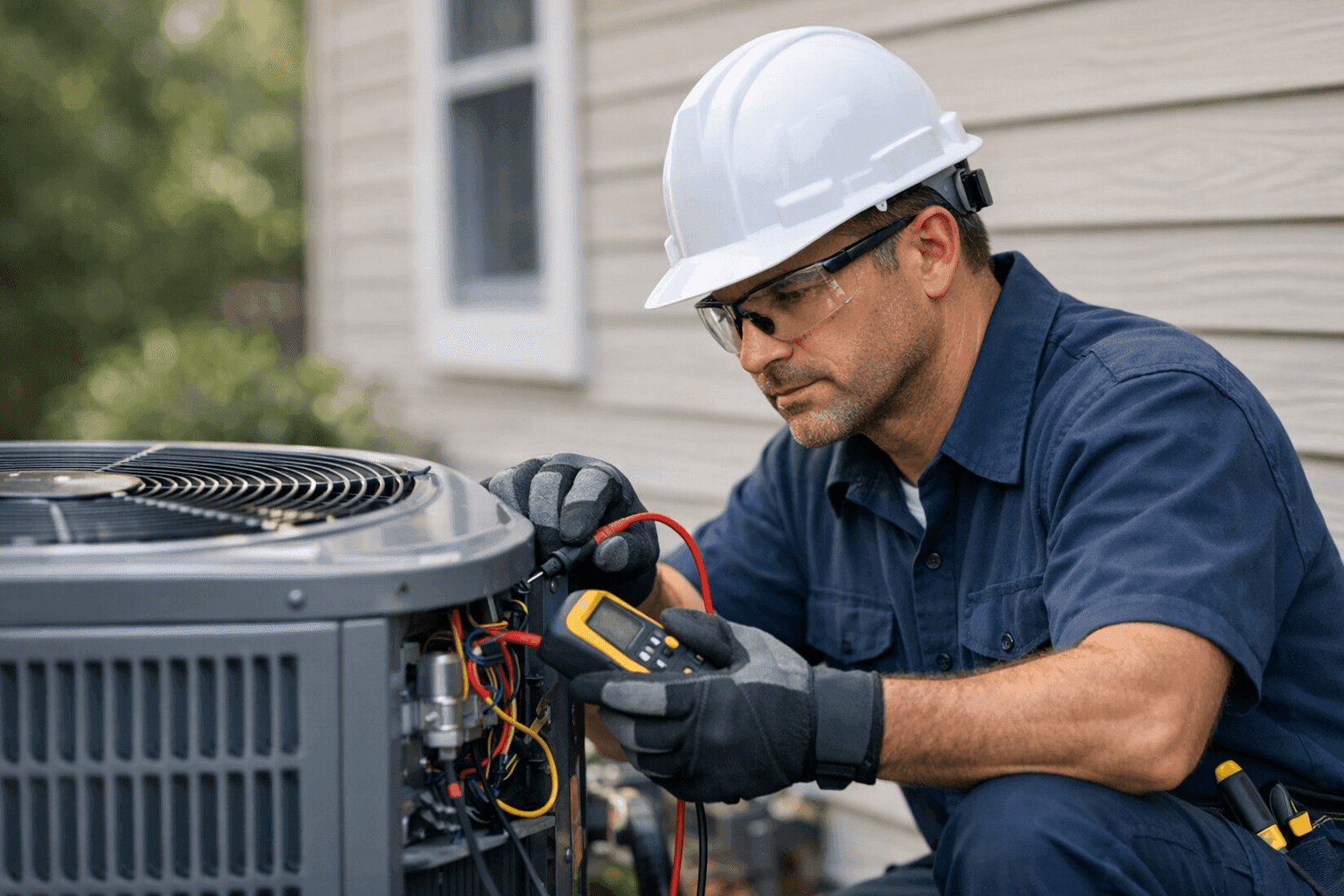
When your air conditioner suddenly stops working, it can feel like the sun just moved a little closer to your house. Whether you’re at home with family or responsible for a busy office, the discomfort (and worry) sets in fast.
At Right On AC, we know that a dead AC isn’t just an inconvenience—it can become a safety issue, especially for young kids, older adults, or anyone with health concerns. Here’s how to keep your cool when the cooling goes out.
First Steps When AC Shuts Down 🛑
Before you reach for the phone, there are a few quick things you can safely check. Sometimes, the fix is as simple as flipping a switch or adjusting a dial.
Check Power Sources and Thermostat Settings
- Is the thermostat set to “cool”? Double-check that it hasn’t been turned off or switched to “heat” by mistake.
- Try lowering the temperature by a few degrees. Sometimes, the system just needs a little nudge to kick on.
- Is the display blank? Dead batteries or a tripped circuit can cause the screen to go dark.
If you have a smart or programmable thermostat, make sure it’s connected and updated. A glitchy thermostat is like a confused traffic cop—nothing moves, and everyone gets frustrated.
Inspect Circuit Breakers and Fuses
- Check your main electrical panel. Look for breakers labeled “AC,” “air handler,” or “furnace.”
- If the breaker is tripped (in the middle or “off” position), firmly flip it off, then back on.
- Fuses: Some older homes have fuses instead of breakers. If you see a blown fuse, replace it with one of the same rating.
If the breaker trips again immediately, stop. This points to a bigger issue—don’t force it.
Signs of Major Issues That Need a Pro
Some problems are best left to professional hands. Call for 24 Hour Emergency Service if you notice:
- Burning smells or smoke coming from vents or the unit
- Strange noises like banging, screeching, or buzzing that start suddenly
- Water pooling around the indoor unit (not just condensation)
- No airflow at all even with the system powered on
- Fan or compressor won’t turn on despite normal settings
If your system is new and under warranty, don’t risk voiding it by tinkering with electrical components.
When to Call Emergency Service
Some AC breakdowns can wait for regular hours. Others can’t. Here’s how to tell if the situation is urgent:
- Extreme heat or humidity inside, especially if vulnerable people are present
- Electrical issues that keep recurring (breaker trips, sparks, or shocks)
- Total system failure with no airflow and rising indoor temps
- Generator failure during a power outage, threatening critical cooling
If you’re not sure, play it safe. AC Repair professionals have the tools (and the safety training) to diagnose and fix hazards fast.
Quick Safety Checklist for Sudden AC Failure
- Don’t open the outdoor unit. These can hold a charge even when powered off.
- Turn off the AC at the thermostat if you smell burning or hear loud noises.
- Keep doors and windows closed to slow down temperature rise.
- Use fans and stay hydrated while you wait for help.
Refer to the U.S. Consumer Product Safety Commission for more guidance on home electrical safety.
DIY or Call a Pro? Knowing Where the Line Is
It’s tempting to poke around the unit when the air stops. But air conditioners are more complex than a fridge or a lamp.
Safe to check yourself:
- Thermostat settings and batteries
- Circuit breakers and fuses
- Air filters (dirty filters can block airflow)
Leave it to the pros:
- Any wiring or electrical repair
- Refrigerant issues (it’s illegal and unsafe to handle refrigerant without a license)
- Mechanical parts like fans, compressors, and motors
If in doubt, don’t risk it.
What Professionals Do When They Arrive
A licensed technician from Right On AC doesn’t just “look under the hood.” We:
- Inspect electrical connections and controls
- Test for refrigerant leaks or low levels
- Check motors, fans, and capacitors for failure
- Assess air flow through ducts and vents
- Review thermostat and safety switch function
We work to get you comfortable, safely and efficiently.
Common Mistakes Homeowners Make
- Resetting the breaker too many times: This can damage the system or mask a real hazard.
- Ignoring strange smells or sounds: These are warning signs, not quirks.
- Blocking vents with furniture: This chokes off airflow and can lead to overheating.
If your system is acting up repeatedly, it’s time for a professional evaluation.
Costs, Time, and What to Expect
Emergency cooling repairs often cost more than scheduled service, but waiting can lead to bigger bills—or costlier damage. Most repairs take 1–4 hours, depending on parts and severity.
If replacement is needed, our team will explain options clearly before work begins.
Prevention: Keeping Your Cool Year-Round
An ounce of prevention is worth a pound of cool air. Regular HVAC Maintenance and filter changes can help avoid sudden shutdowns.
- Schedule seasonal tune-ups (spring and fall)
- Change air filters every 1–3 months
- Ask about home energy audits or IAQ testing for healthier, more efficient cooling
The U.S. Department of Energy recommends routine maintenance to extend system life and improve efficiency.
What If It Happens Again?
Frequent AC breakdowns point to deeper issues—aging equipment, undersized units, or hidden duct problems. Consider a full system evaluation or upgrade, especially if your AC is older than 12–15 years.
How Long Can You Wait?
In mild weather, you might be able to wait a day or two. But when temperatures soar, don’t risk heat-related illness. If you’re running a business, downtime can mean lost revenue and unhappy customers. Fast, professional help is your best bet.
Seasonal Considerations
Summer storms can knock out power, and winter cold snaps can put unexpected stress on heat pumps. Generators and surge protection can help you avoid surprise outages, especially if you need Generator Installation near you.
Airflow, Filters, and Forgotten Details
A clogged filter is like breathing through a thick scarf. Replace or clean yours often. Make sure vents aren’t blocked and doors are open for even air distribution.
If you’re in the area, you can find reliable cooling specialists in Clifton who know the unique challenges of local weather and building styles.
Frequently Asked Questions About Sudden AC Shutdowns
Q: Can a thermostat really shut down the whole system?
A: Yes. Dead batteries or setting errors are more common than you think.
Q: Is it safe to open the outdoor AC unit?
A: No. It can store dangerous electrical energy even when “off.”
Q: Why does my AC trip the breaker?
A: Short circuits, overloaded circuits, or failing parts can all be causes—call a pro.
Final Thoughts: Don’t Sweat It Alone
When your cooling system lets you down, it’s easy to panic. Take a breath, check the basics, and don’t be afraid to call for help. The right response, at the right time, keeps you safe and comfortable—no matter what the weather does next.
Call Right On AC now — or reach us anytime at 888-836-1269 .